Cystic acne prevention: how can you stop it returning?




Short answer: Cystic acne prevention means understanding the deep, painful bumps, using gentle non-comedogenic skin care, and seeking a doctor’s advice rather than squeezing them.
Key Takeaways
- Deep, painful inflammatory bumps differ from small whiteheads, blackheads, and surface pustules.
- Several factors may contribute, including clogged follicles, oil, inflammation, hormones, and daily habits.
- A doctor should assess severe or recurring acne; do not squeeze deep bumps yourself.
- Gentle cleansing, non-comedogenic products, sunscreen, rest, and stress management may support a consistent routine.
Read This Section
- What is cystic acne?
- How does it differ from other acne?
- What may contribute to cystic acne?
- How is severe acne assessed and managed?
- What can reduce the chance of recurrence?
- What can a doctor assess?
- Frequently asked questions
Cystic acne prevention: what is cystic acne?
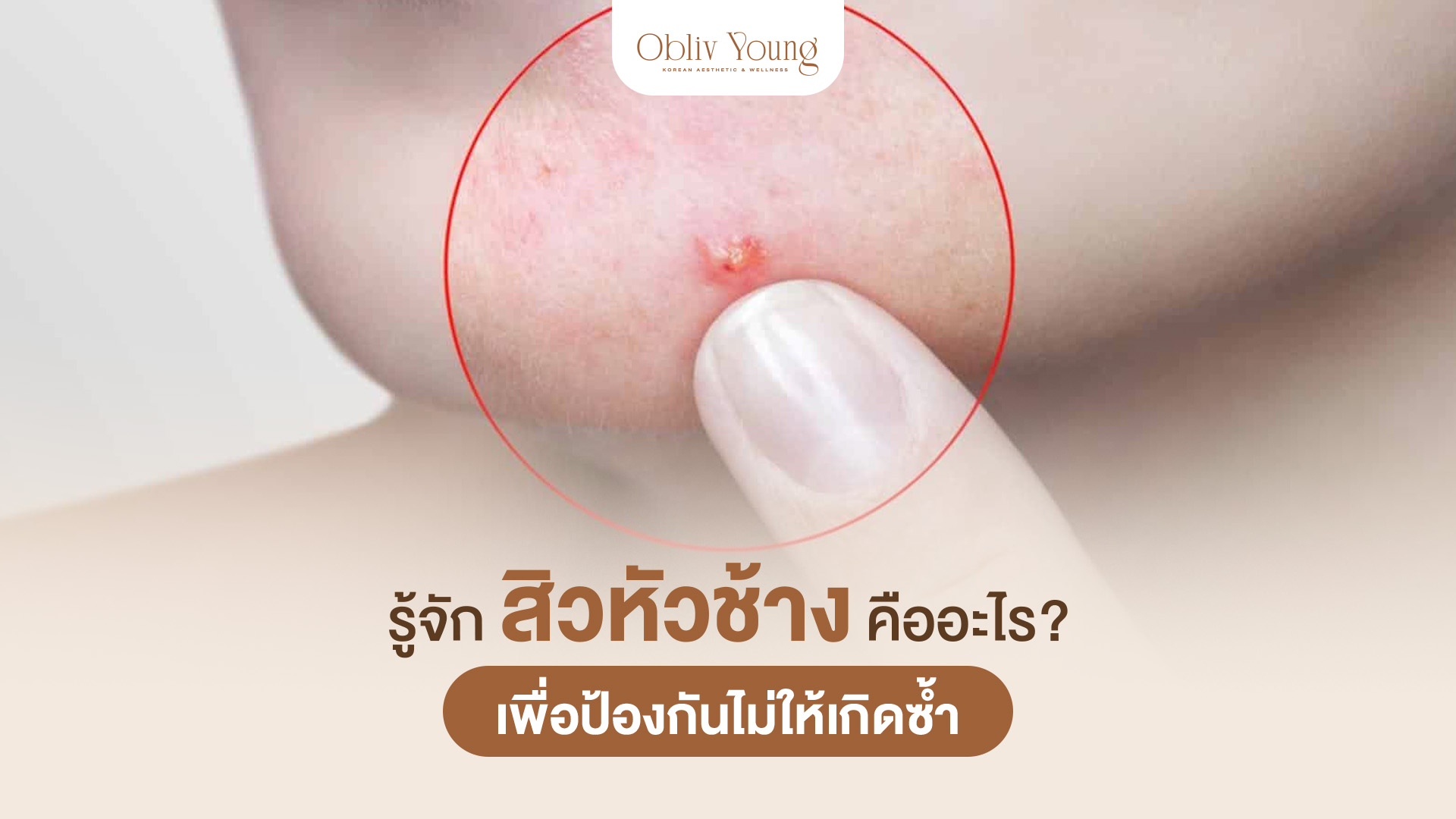
Cystic acne prevention starts with understanding deep, inflamed acne bumps that may be large, tender, and slow to settle. Nodules and cyst-like lesions may sit beneath the skin. These bumps can be more painful than surface pimples and may leave marks or scars.
A painful bump is not enough to confirm its type. Other skin concerns can look similar, so avoid trying to diagnose it from appearance alone. If deep lesions recur or cause significant discomfort, a clinician can assess the pattern and discuss suitable care.
Early assessment matters because ongoing severe inflammation may leave scars. That does not mean every bump will scar, nor does it predict what will happen in an individual case. Ask a doctor what the lesion may be and which options fit your skin.
How does it differ from other acne?
Deep nodules or cyst-like lesions tend to sit further beneath the skin and can feel more painful than surface pustules. A pustule usually has a visible white or yellow head. Whiteheads and blackheads are clogged pores that have not become inflamed in the same way.
Some firm bumps may be nodular without visible pus. A deep, painful lesion differs from a small clogged pore. However, names can overlap in everyday speech, and a clinician can help identify what is present.
Do not squeeze or puncture a deep bump. Squeezing may worsen inflammation and raise the chance of lasting marks. Gentle handling is a safer starting point while you arrange assessment for persistent or severe lesions.
What may contribute to cystic acne?
Cystic acne prevention involves more than cleansing habits. Contributing factors can include clogged follicles, excess oil, acne-associated bacteria, and inflammation. Hormonal changes may also affect oil production, while stress, late nights, frequent touching, and pore-clogging cosmetics are listed as possible everyday influences.
These factors do not prove why one person has a particular lesion. Acne patterns vary, and blame is not useful. Washing more aggressively or scrubbing is not a reliable way to address deeper inflammation.
Consider whether a product seems to clog your pores, and choose non-comedogenic skin care where available. If bumps are deep, painful, persistent, or recurring, ask a doctor for assessment instead of assuming that lifestyle changes alone will resolve them.
Cystic acne prevention: how is severe acne managed?
Consult a dermatologist for severe cystic acne. A clinician can assess the lesions and discuss care options. Care options may include topical retinoids, benzoyl peroxide, salicylic acid, clinician-supervised prescription treatments, or procedures in selected cases.
This guide does not tell you to start a medicine, combine products, or follow a dose. Some treatments require individual assessment and monitoring. Ask the clinician about expected benefits, possible adverse effects, and what follow-up is appropriate for your situation.
Do not squeeze, cut, or drain a deep lesion yourself. A doctor should perform drainage in selected situations. If a bump is especially painful or changing, arrange medical assessment rather than trying a procedure at home.
Cystic acne prevention: how can recurrence be reduced?
For cystic acne prevention, use a gentle cleanser and avoid rough scrubbing or repeated touching. Use non-comedogenic skin care and makeup, apply sunscreen regularly, get enough rest, and manage stress as ongoing habits. These steps support a simple routine; they cannot ensure that acne will not return.
Daily fluid needs vary, so follow advice suited to your health and circumstances rather than a fixed amount. Follow advice suited to your health and circumstances instead of treating a single number as a universal acne prevention rule.
Notice whether certain cosmetics seem to clog your pores, and simplify a routine that irritates your skin. If deep lesions continue or leave marks, seek a doctor’s assessment. A tailored plan may be more useful than adding multiple products on your own.
How can a doctor assess persistent acne?
Deep painful bumps can be difficult to judge from a mirror, and several acne types may look alike. A doctor can assess the lesions, discuss your skin-care routine, and explain whether medical care or a procedure is appropriate. Do not squeeze the bumps while waiting for an appointment. For an overview, see .
For further reading, see skin clarity and acne care. Also read American Academy of Dermatology information about acne causes.
Frequently asked questions
Can cystic acne come back?
Severe acne may recur. A consistent, gentle routine may help reduce some contributing factors, but lesions can still return. Ask a doctor about persistent or recurring deep bumps.
Should I squeeze a deep acne bump?
No. Squeezing or pressing deep bumps may worsen inflammation and increase the chance of marks. A doctor can assess a painful or persistent lesion.
When should I see a doctor for cystic acne?
Arrange an assessment for deep, painful, persistent, or recurring bumps, especially if they are leaving marks. A doctor can identify the concern and discuss appropriate care.
Can skin care alone manage severe acne?
A gentle routine may support skin care, but severe cystic acne calls for dermatology assessment. A clinician can discuss whether additional care is appropriate.
Consistent habits may support cystic acne prevention, but they cannot rule out recurrence.
If you would like to understand your main concern, you can contact Obliv Young to ask questions and arrange an assessment.
This article was medically reviewed by
Mr. Park Young Jin
Education
Graduated with a Doctor of Medicine degree from Inha University College of Medicine, and completed an executive program at Seoul National University. Gained experience as a Public Doctor within the government sector before advancing into Aesthetic Medicine with leading Korean clinic groups, including Forever Plastic Surgery, Ppeum Clinic, and Y&I Clinic, serving as a physician and Senior Doctor
Specializes in
Specializes in Aesthetic Medicine, Facial Contouring, and Facelifting Techniques, serving as President of the Obliv Clinic Network (Incheon, Bangkok, Dubai). Also active in the academic community as Academy Director of the Korean Aesthetic Surgery & Laser Society and Senior Director of the Korean Academy of Facelifting and Contouring , as well as a Global KOL and Key Doctor for leading brands including Wontech, MERZ, Jetema, Amalian, and Gouri, covering Filler, Energy-Based Devices, and Skin Rejuvenation technologies internationally. Source: Aestheticsa