Pore laser types: which option may suit your skin?


Short answer: Pore laser types range from fractional radiofrequency to IPL; the right discussion depends on your skin concerns, treatment goals, and a clinician’s assessment.
Key Takeaways
- Five energy-based options have different features.
- IPL is a light treatment, not technically a laser, despite appearing in the comparison.
- Potenza may suit some severe concerns, but no option is best for everyone.
- A clinician should assess skin and goals, then explain recovery and aftercare.
Read This Section
- What does a pore-focused laser treatment involve?
- What are the five pore laser types?
- Which pore laser type may suit your concern?
- How should you care for skin after a laser treatment?
- What should you ask before choosing a device?
- How can a doctor assess your options?
- Frequently asked questions
What does a pore-focused laser treatment involve?
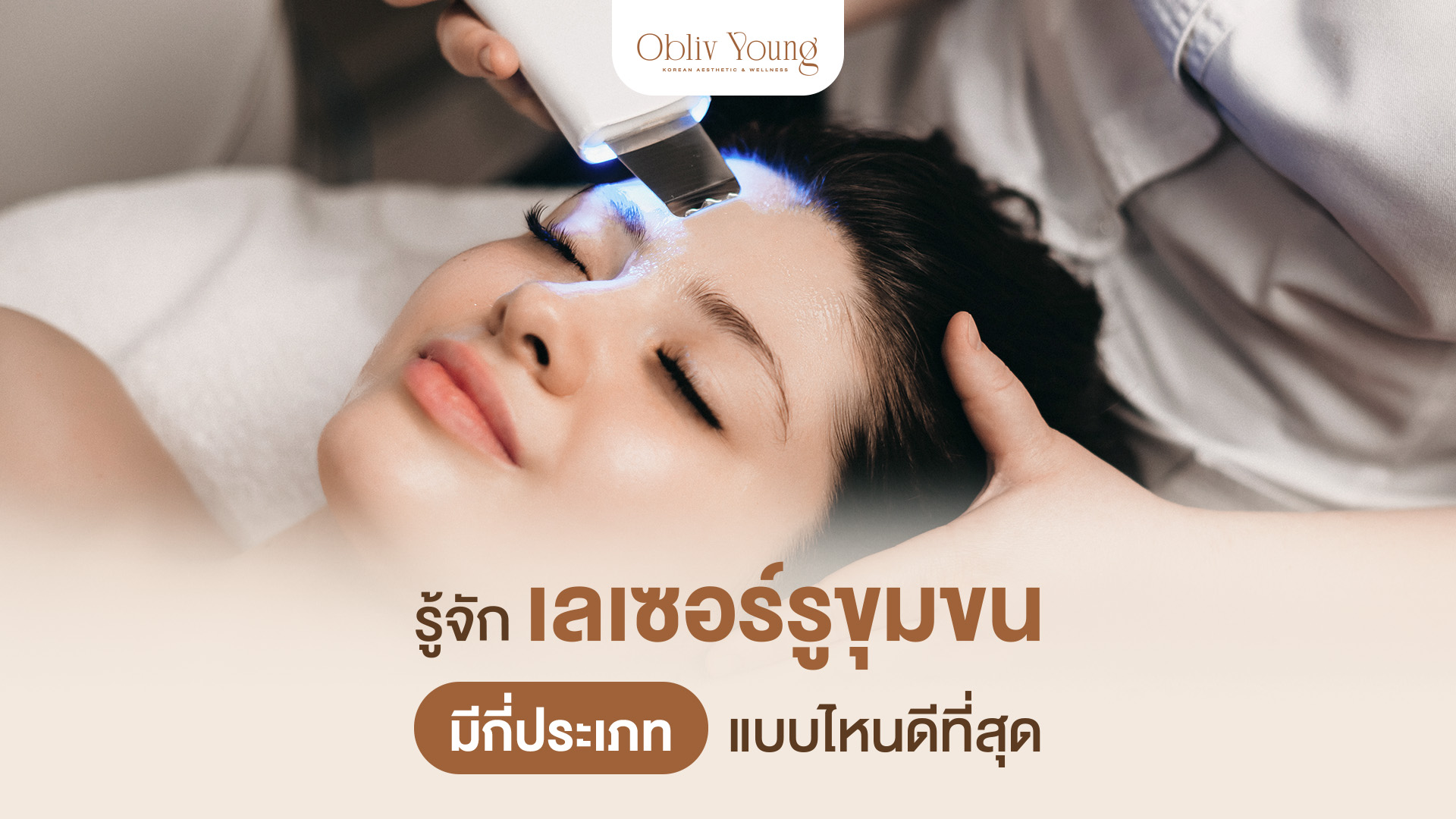
Pore laser types include energy devices that interact with the skin in different ways. These treatments use laser or other energy delivery to target skin texture and renewal. The devices are not interchangeable, and the name alone does not say which concern they can address.
Large-looking pores may appear with uneven texture, acne marks, or other skin concerns. A clinician should assess what is contributing to the appearance before discussing a device. Do not assume that energy treatment will make pores disappear or produce the same change for every person.
Some options use lasers, while fractional radiofrequency and IPL use different energy forms. These comparisons are not a ranking for every skin type. Ask what concern the clinician expects the device to address and what limits apply.
Pore laser types: what are the options?
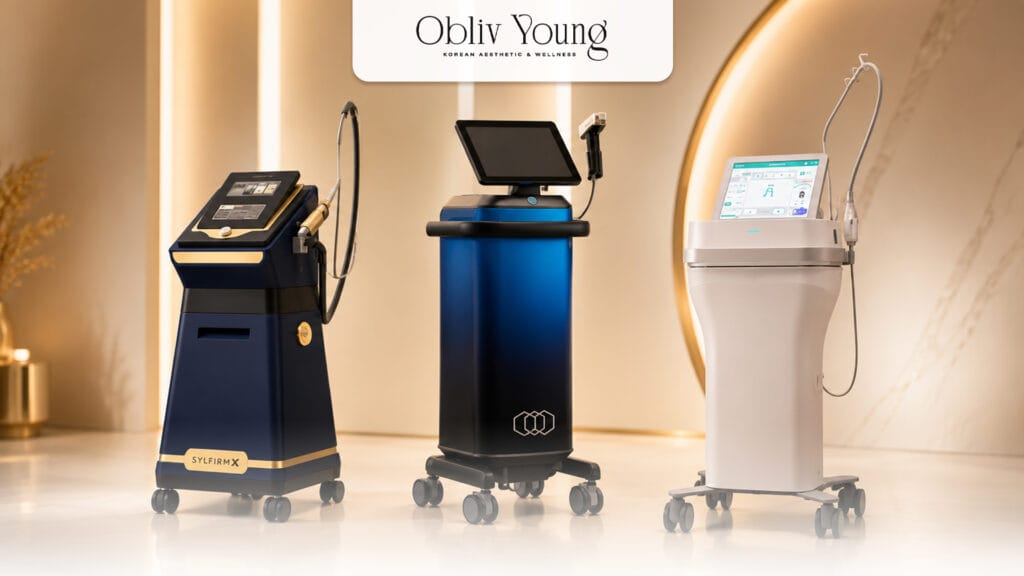
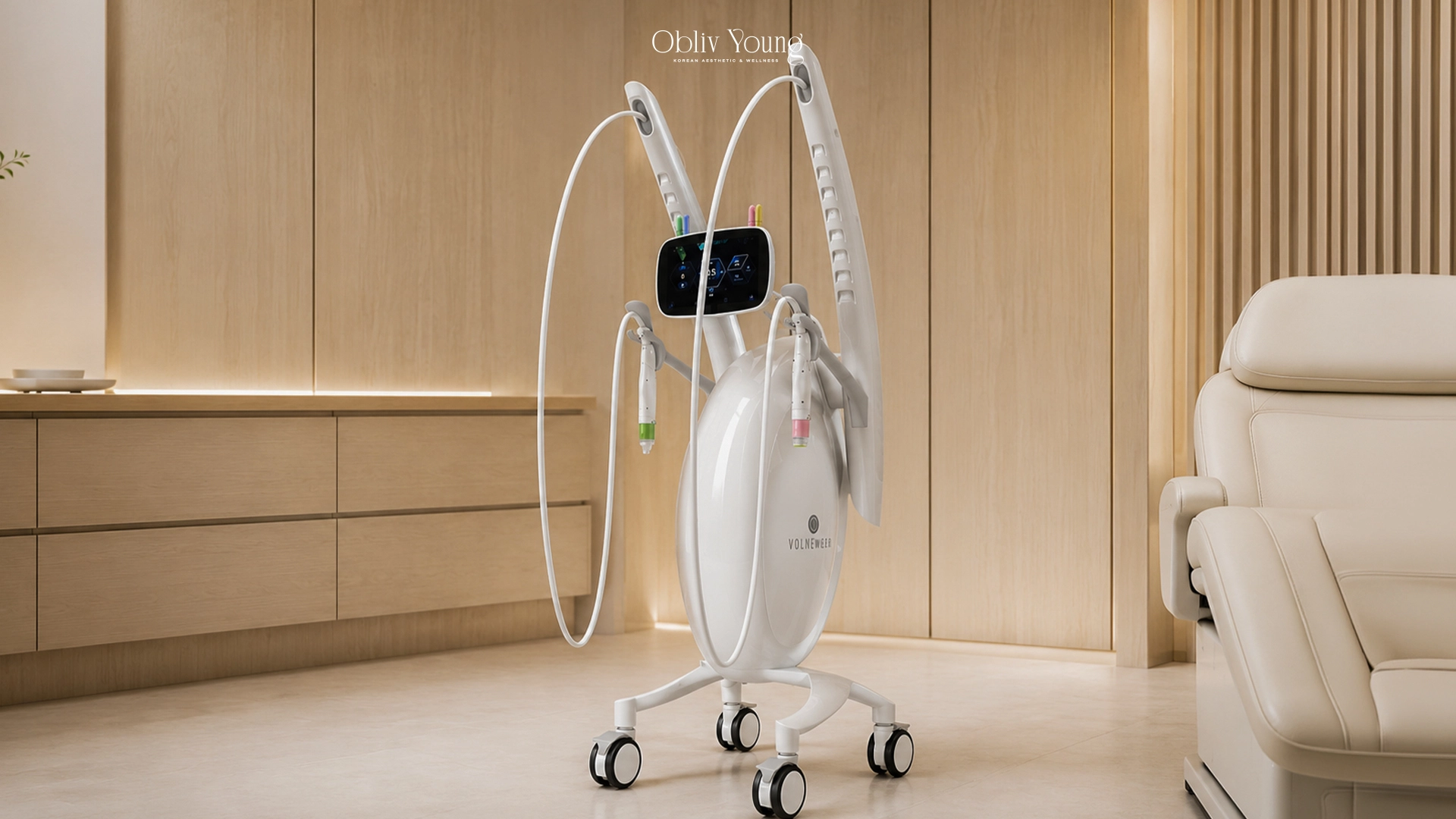
Potenza is described as fractional radiofrequency microneedling. The device combines radiofrequency energy with small needles, with modes for broader tightening or deeper texture concerns. A clinician must decide whether it fits the person and treatment area.
RedTouch Pro is described as a 675 nm red laser. The device may support collagen stimulation and address milder pore concerns alongside uneven tone or acne marks. Individual results vary.
Pico laser delivers very short pulses and is discussed for pigmentation, acne marks, and texture concerns. Fractional CO2 creates controlled skin channels and is described for more marked texture concerns, with possible redness or crusting and several days of recovery.
IPL uses intense pulsed light, not a laser beam. It may suit milder pore concerns and skin brightness, with less pronounced changes and a need for repeated sessions. Ask a clinician about suitability and recovery for the exact device.
Pore laser types: which may suit your concern?
Clinicians may consider Potenza for pronounced pore or acne-scar concerns, RedTouch Pro for milder texture and marks, and Pico for concerns such as pigmentation and acne marks. Fractional CO2 may address marked texture concerns, while IPL may suit milder concerns.
These comparisons do not establish one universal “best” device. Skin tone, active skin conditions, sensitivity, prior treatment, and recovery preferences may affect the discussion. A clinician should assess the skin and goals before choosing.
Ask the clinician why one device is being considered, what concern it targets, and what alternatives exist. Discuss expected downtime, the chance of temporary redness or crusting, and how you should care for your skin afterward. A consultation should leave room to decide not to proceed.
Pore laser types: how should you care for skin afterward?
Follow the treating clinician’s instructions because aftercare may differ by device and settings. Avoid strong sun, use sunscreen, and choose gentle skin care. Pause AHA, BHA, or retinoids during an initial period; ask the clinician when to restart because the duration varies.
A cool compress may help with redness or swelling; rest and hydration may also support comfort. Do not apply active products or home remedies to irritated skin without checking whether they are appropriate for the procedure performed.
Ask which changes you may notice and whom to contact if you have a concern. The clinician’s instructions should take priority over general advice, especially if the treatment involved deeper resurfacing or more than one device.
What should you ask before choosing a device?
Start with your main concern: visible pores, acne scars, uneven tone, or texture. Ask the clinician to explain which finding they are addressing and why the proposed device may fit. It is reasonable to ask how the plan changes if your skin is sensitive or if downtime is a concern.
Clarify what the treatment can and cannot do, how recovery may look, and which aftercare steps to follow. There is no universal schedule or single option for everyone. A plan should reflect an individual assessment rather than a device’s popularity.
Bring details of your skin-care products and any previous treatments. That context may help the clinician discuss timing and precautions. If the explanation is unclear, ask follow-up questions before deciding.
How can a clinician assess pore treatment options?
Large-looking pores can occur alongside acne marks or uneven texture, and different devices address different concerns. A clinician can assess your skin, clarify your goal, and explain why one approach may or may not fit. Discuss likely recovery and aftercare before deciding. You can also visit the clinic’s as a starting point for questions.
For related reading, see skin clarity services. For additional context, read DermNet overview of lasers and light devices in dermatology.
Frequently asked questions
Is IPL a laser?
No. IPL uses intense pulsed light rather than a laser beam. Clinicians may consider IPL for milder pore concerns and skin brightness.
Which option is best for large pores?
There is no universal answer. Different options target different concerns, so a clinician should assess the skin and goals before choosing.
Can I use acids after a laser treatment?
Avoid AHA, BHA, and retinoids for an initial period; ask the treating clinician how long to wait. Ask the treating clinician when to restart each product.
What should I ask before a pore treatment?
Ask which concern the device may address, why it may fit your skin, what recovery can involve, and which aftercare instructions to follow.
Use this pore laser types overview to prepare questions, not to choose a device without assessment.
If you would like to understand your main concern, you can contact Obliv Young to ask questions and arrange an assessment.
This article was medically reviewed by
Mr. Park Young Jin
Education
Graduated with a Doctor of Medicine degree from Inha University College of Medicine, and completed an executive program at Seoul National University. Gained experience as a Public Doctor within the government sector before advancing into Aesthetic Medicine with leading Korean clinic groups, including Forever Plastic Surgery, Ppeum Clinic, and Y&I Clinic, serving as a physician and Senior Doctor
Specializes in
Specializes in Aesthetic Medicine, Facial Contouring, and Facelifting Techniques, serving as President of the Obliv Clinic Network (Incheon, Bangkok, Dubai). Also active in the academic community as Academy Director of the Korean Aesthetic Surgery & Laser Society and Senior Director of the Korean Academy of Facelifting and Contouring , as well as a Global KOL and Key Doctor for leading brands including Wontech, MERZ, Jetema, Amalian, and Gouri, covering Filler, Energy-Based Devices, and Skin Rejuvenation technologies internationally. Source: Aestheticsa