Wrinkle causes treatment: what may help different lines?




Short answer: Wrinkle causes treatment varies because lines can relate to repeated facial movement, changes in skin support or volume, and daily exposures; matching the approach to the concern matters. For additional general guidance, see the American Academy of Dermatology’s general skin-care guidance.
Key Takeaways
- Wrinkles may have more than one contributing factor.
- Lines can be grouped by facial area and how they appear.
- Botox, filler, energy devices, skin care, and daily habits have different roles.
- A clinician can assess persistent or deeper concerns before treatment.
Read This Section
- What are wrinkles?
- What can contribute to wrinkle formation?
- How do wrinkle areas differ?
- Which five approaches may be considered?
- How can you match an approach to a concern?
- How can an assessment help you choose?
- Frequently asked questions
What are wrinkles?
Wrinkles are lines, folds, or grooves that can appear on the skin. Repeated muscle movement may contribute to expression lines. Changes in collagen, elasticity, hydration, or facial volume may also affect how lines appear. Some lines show mainly when you move your face, while others remain visible at rest.
The pattern and location offer useful context, but they do not confirm a cause by themselves. For example, a line near the mouth may relate to movement, volume, skin quality, or several factors together. A clinician can assess your concern rather than treating every line as the same problem.
What can contribute to wrinkle formation?
Age-related skin changes are one factor, but they are not the only one. Repeated expressions, ultraviolet exposure, dry-feeling skin, stress, sleep habits, smoking, alcohol, hormones, and inherited facial structure may also be relevant. These influences can act together over time.
Wrinkle causes treatment can begin with the pattern you notice and your priorities. Daily sun protection and a consistent skin-care routine may support skin health. However, topical care, injections, and energy-based procedures do not act in the same way. Avoid assuming that one product or procedure will address every line.
How do wrinkle areas differ?
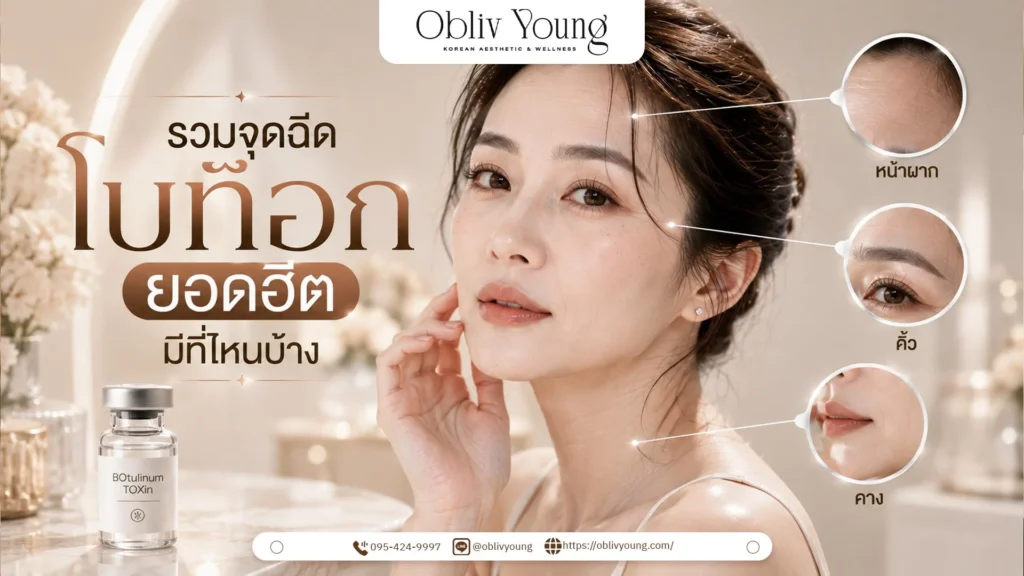
Wrinkle causes treatment discussions can start by grouping common facial lines into three broad areas. Across the upper face, the forehead and space between the eyebrows can show lines related to repeated expressions. By contrast, the middle face includes the outer eye area, under-eye region, and folds beside the nose and mouth.
At the lower face, lines may appear above the lip, around the mouth, and on the neck. Skin thickness, movement, and facial support differ by area. These categories help organize a conversation; they are not a diagnosis or a personal treatment plan.
Which five approaches may be considered for wrinkle causes treatment?
The five approaches in the guide are Botox for expression-related lines, filler for deeper folds or volume concerns, focused ultrasound or radiofrequency for laxity, skin-care ingredients, and daily habits. Their intended roles differ. A clinician should assess whether a procedure is appropriate for your features and health context. Wrinkle causes treatment choices should follow that discussion.
For skin care, the guide names retinoids, vitamin C, peptides, hyaluronic acid, and sun protection. People can respond differently to ingredients, and irritation or sensitivity can affect product choice. Start with a routine you can tolerate and seek professional advice if you are unsure what to use.
How can you match an approach to a concern?
Expression-related lines may prompt a discussion about muscle activity. Deeper folds associated with volume changes raise a different question. Skin laxity, surface dryness, and fine lines also call for distinct considerations. This is why wrinkle causes treatment should not be chosen by popularity alone.
Wrinkle causes treatment works best as a discussion with a clinician, who can examine the area, hear your goals, and explain possible options and limits. For general background on skin care and aging, see the American Academy of Dermatology skin-care guidance. You can also read our guide to what filler is and how it is used.
How can an assessment help you choose?
Several approaches can address different concerns, so a trend or a photograph cannot identify what your face needs. At Obliv Young, you can discuss your main concern and ask a clinician to assess your features, skin, and goals before considering any option. For a broader overview, read our guide to filler basics.
Frequently asked questions
Can one treatment address every type of wrinkle?
No. Expression lines, deeper folds, skin laxity, and surface dryness have different contributing factors. An assessment can help identify options for your concern. Wrinkle causes treatment is not one-size-fits-all.
Which areas can expression lines affect?
The forehead, the area between the eyebrows, and the outer eye area are examples discussed in the guide. A clinician should assess your individual features before considering an injection.
Can skin care help with wrinkles?
Skin care may support hydration and general skin health. The guide mentions retinoids, vitamin C, peptides, hyaluronic acid, and sun protection; product choice depends on your skin and tolerance.
When should I ask a clinician about wrinkles?
Consider an assessment if you are thinking about a procedure, are unsure what is causing a line, or have concerns about a product or treatment. You can ask about benefits, limits, and possible risks.
Does wrinkle care always involve a procedure?
No. Daily habits and skin care are also part of the options described. A procedure is not necessary simply because a line is present.
If you would like to understand your main concern, you can contact Obliv Young to ask questions and arrange an assessment.
This article was medically reviewed by
Mr. Park Young Jin
Education
Graduated with a Doctor of Medicine degree from Inha University College of Medicine, and completed an executive program at Seoul National University. Gained experience as a Public Doctor within the government sector before advancing into Aesthetic Medicine with leading Korean clinic groups, including Forever Plastic Surgery, Ppeum Clinic, and Y&I Clinic, serving as a physician and Senior Doctor
Specializes in
Specializes in Aesthetic Medicine, Facial Contouring, and Facelifting Techniques, serving as President of the Obliv Clinic Network (Incheon, Bangkok, Dubai). Also active in the academic community as Academy Director of the Korean Aesthetic Surgery & Laser Society and Senior Director of the Korean Academy of Facelifting and Contouring , as well as a Global KOL and Key Doctor for leading brands including Wontech, MERZ, Jetema, Amalian, and Gouri, covering Filler, Energy-Based Devices, and Skin Rejuvenation technologies internationally. Source: Aestheticsa