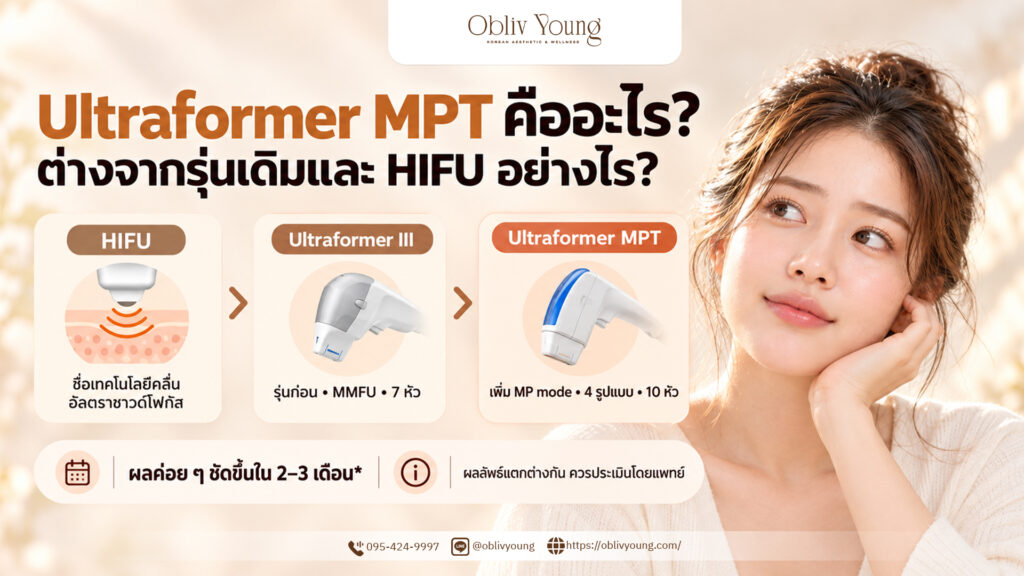
Jawline lifting results: what can you expect?



Short answer: jawline lifting results refers to approaches that may improve the definition of the lower-face contour, depending on whether laxity or volume is the main concern.
Key Takeaways
- The term describes a goal, not one procedure.
- Lifting addresses laxity; filler adds volume.
- Changes may be gradual and vary by person.
- A doctor should assess the cause and discuss limits.
Read This Section
- What does jawline lifting mean?
- How do lifting approaches work?
- When may jawline lifting results appear?
- What are the potential benefits and limitations?
- When may jawline filler might a doctor discuss?
- Are jawline filler and lifting filler the same?
- When to seek an assessment
- Frequently asked questions
What does jawline lifting mean?
Jawline lifting describes a goal, not one single procedure. People may use the term when the lower face looks less defined because of skin laxity, tissue descent or changes in volume. A plan therefore starts by identifying what affects the contour rather than selecting a device or injection by name.
A clinician may discuss energy-based approaches such as focused ultrasound or radiofrequency when laxity is part of the concern. These approaches aim to support a firmer appearance. They do not reproduce surgery, and an individual response may vary.
How do lifting approaches work?
The this overview describes focused ultrasound technologies, including Ultraformer MPT, and radiofrequency as ways clinicians may address tissue laxity. A treatment’s suitability depends on the device, settings, anatomy and the concern the clinician treats. A consultation should explain the intended target and expected limits in plain language.
Some people have more than one contributing factor. When volume loss or bone structure affects the jawline, a lifting device alone may not create the contour they want. For general context on treatment choices, read about medical literature indexed by PubMed; evidence read for the specific method.
When may jawline lifting results appear?
Unlike an immediate volume change, this overview describes lifting changes as gradual. It places more visible changes over roughly one to three months, as the body responds after treatment. That is a general time range from this overview, not a personal forecast.
this overview also notes that non-surgical results are not permanent and may need reassessment over time. Ask the clinician when to assess the change and what maintenance, if any, is appropriate. Do not repeat a procedure simply because a calendar interval has passed.
What are the potential benefits and limitations?
this overview presents a gradual, natural-looking change and no surgical incision as potential advantages of non-surgical lifting approaches. It also describes little or no planned downtime. However, recovery and temporary reactions vary, and no procedure should sound as risk-free. Ask about possible discomfort, swelling and what follow-up is available.
A key limitation is that results are not immediate. this overview says collagen-related changes take time and may not last permanently. An assessment can help determine whether expectations match the treatment’s likely scope or whether another option discuss.
When may jawline filler might a doctor discuss?
Filler a doctor may discuss when the contour concern relates to a short chin, a less-defined jawline or reduced volume around the lower face. this overview contrasts this with lifting: filler adds volume, while lifting approaches address laxity. A clinician should assess which factor matters most.
this overview also mentions thread lifting where skin laxity is more marked. Filler, energy-based treatment and threads are not interchangeable. Each has different aims and considerations; do not assume that a procedure advertised for a sharp jawline suits everyone.
Are jawline filler and lifting filler the same?
this overview explains that several names may refer to hyaluronic acid filler, but the placement technique and goal can differ. Jawline filler aims to define the jaw angle, while “lifting filler” refers to placement intended to support tissue. The product category alone does not explain the plan.
Ask the clinician whether the proposal is to add volume or support a lax area, what changes are realistic and what risks apply. For background, see Obliv Young’s lifting and firming options. A careful assessment may also conclude that no procedure is needed.
Jawline lifting results: when to seek an assessment
It can be difficult to decide what fits your main concern. At Obliv Young, an assessment can help clarify the goal, explain possible options and discuss their limits. A clinician can assess your circumstances before you decide; asking questions does not mean a procedure is required. For general clinic information, see skin lifting and firming options.
Frequently asked questions
What is jawline lifting?
It is a broad term for approaches intended to make the lower-face contour look more defined. It does not name one procedure; assessment identifies the concern.
When may changes appear?
this overview describes gradual changes over roughly one to three months for lifting approaches. Individual response varies, so the timing is not assured.
Is jawline filler the same as lifting?
No. Filler adds volume, while lifting approaches target laxity or tissue support. A clinician can assess which factor affects your contour.
Who may consider jawline filler?
this overview discusses a short chin, less-defined jawline or reduced volume as possible concerns. A clinician must assess suitability and risks.
Jawline lifting results vary, so discuss the likely change and limits with a doctor. Jawline lifting results should be considered in light of your goals.
If you would like to understand your main concern, you can contact Obliv Young to ask questions and arrange an assessment.
This article was medically reviewed by
Mr. Park Young Jin
Education
Graduated with a Doctor of Medicine degree from Inha University College of Medicine, and completed an executive program at Seoul National University. Gained experience as a Public Doctor within the government sector before advancing into Aesthetic Medicine with leading Korean clinic groups, including Forever Plastic Surgery, Ppeum Clinic, and Y&I Clinic, serving as a physician and Senior Doctor
Specializes in
Specializes in Aesthetic Medicine, Facial Contouring, and Facelifting Techniques, serving as President of the Obliv Clinic Network (Incheon, Bangkok, Dubai). Also active in the academic community as Academy Director of the Korean Aesthetic Surgery & Laser Society and Senior Director of the Korean Academy of Facelifting and Contouring , as well as a Global KOL and Key Doctor for leading brands including Wontech, MERZ, Jetema, Amalian, and Gouri, covering Filler, Energy-Based Devices, and Skin Rejuvenation technologies internationally. Source: Aestheticsa