What is the lip filler healing process like?

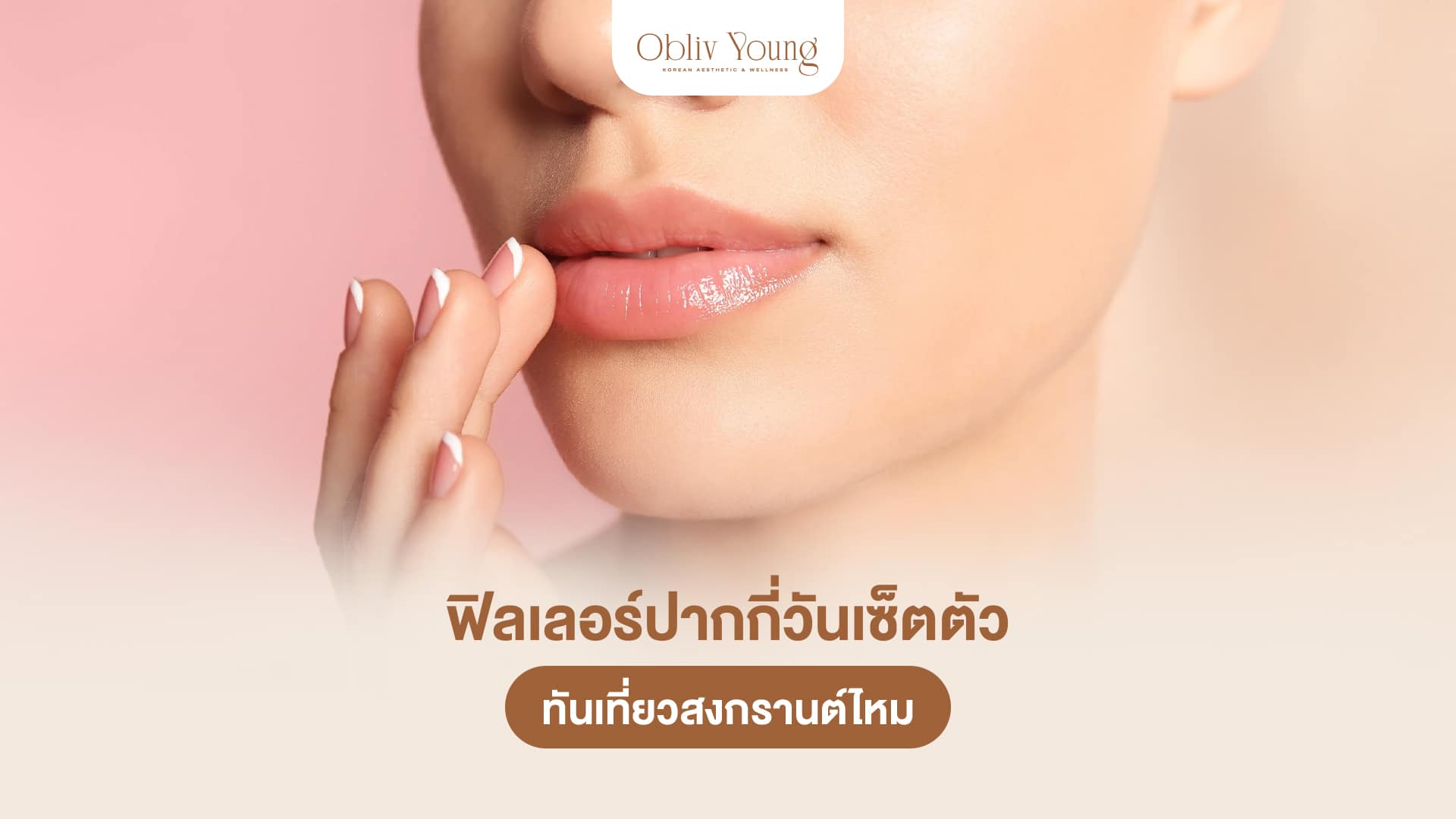
Short answer: The lip filler healing process usually involves early swelling followed by gradual settling; the timing varies by person and product. Plan ahead with a qualified clinician, especially before travel or a special event.
Key Takeaways
- Swelling and bruising can occur soon after lip injections.
- Settling takes several days and varies by person.
- Allow a buffer before events, but do not expect a promise date.
- Follow aftercare and contact the clinic about concerning symptoms.
Read This Section
- What is lip filler?
- How does lip filler work?
- What happens during the lip filler healing process?
- How far ahead should you plan before a trip?
- When can you wear makeup after lip filler?
- What should you avoid while healing?
- When should you contact a clinician?
- When to discuss an assessment
- Frequently asked questions
What is lip filler?
Lip filler is an injectable treatment used to add volume or adjust lip contour. Many products contain hyaluronic acid, but products differ in formulation and intended use. A clinician should explain the product, proposed placement and expected change before you decide.
The lips move frequently and can swell after injection. An immediate appearance may therefore differ from the settled shape. A personal consultation should cover your goals, facial proportions, medical history and alternatives.
How does lip filler work?
Hyaluronic acid gel adds volume and can support lip shape. It does not create a permanent change: the body gradually breaks down the material, and duration varies with product, placement and individual factors. A clinician can discuss what the selected product is designed to do.
Do not assume that more volume is the only way to address a concern. The clinician can discuss symmetry, hydration, contour and what may be achievable safely. For context before a consultation, read a guide to lip filler and questions to discuss first.
What happens during the lip filler healing process?
Swelling, tenderness, bruising or small marks can occur soon after injection. Swelling may be noticeable during the first 24–48 hours and often eases over the following 2–3 days. These are approximate expectations, not a promise; some people have longer-lasting or more noticeable swelling.
The lips may feel uneven while swelling settles. The filler may feel more settled around 5–7 days, but response varies. Avoid judging the final contour too early, and contact the clinic if pain, discoloration or swelling is severe or worsening.
How far ahead should you plan before a trip?
If you have an event or plan to travel, discuss timing before booking treatment. Allowing about 7–10 days before a major event, including Songkran, may give swelling time to settle. Even with that buffer, individual healing differs and the final appearance cannot be promise by a date.
Consider the activities as well as photographs. Outdoor heat, sun and water exposure may affect comfort or aftercare. A clinician can advise whether it is better to postpone treatment until after the trip, especially if you have never had lip filler before.
When can you wear makeup after lip filler?
A clinician may advise avoiding lipstick or makeup on the lips for about the first 24 hours to reduce contamination risk at injection marks. Follow the treating clinician’s instructions, which may differ with your skin and treatment. Use clean products and avoid pressing or rubbing the area while it is tender.
Makeup may apply more comfortably as swelling decreases, but it cannot hide a complication. If the skin looks unusually pale, dusky or mottled, or if pain increases, contact the clinic promptly rather than covering the area.
What should you avoid while healing?
Follow the clinician’s aftercare plan and avoid squeezing, pressing or massaging the lips unless specifically instructed. A clinician may also advise avoiding heat and alcohol early after treatment. Ask exactly how long those precautions apply and whether planned activities need to change.
Choose an appropriately qualified medical professional and a traceable product. Ask how to reach the clinic after the appointment. The American Academy of Dermatology offers general guidance on fillers; contact your own clinician for advice about your specific treatment.
When should you contact a clinician?
Contact the treating clinic if swelling, pain or bruising worries you, persists longer than expected or gets worse. Seek urgent medical attention for severe pain, skin color changes, vision symptoms or other serious concerns. Do not massage, dissolve or treat the area yourself.
A follow-up allows the clinician to distinguish expected healing from a problem and decide what care is appropriate. The amount of swelling and the speed of settling vary, so your own symptoms and examination matter more than a general timeline.
When should you discuss lip filler healing process?
Lip shape and swelling vary, and an event deadline cannot promise a settled result. A doctor can assess the lips, discuss realistic timing and explain aftercare and warning signs before treatment. For more context, see a guide to lip filler and questions to discuss first.
Frequently asked questions
How long does the lip filler healing process take?
Many people notice swelling early, with gradual settling over several days. Swelling may ease over about 5–7 days, but this varies.
How many days before an event should I get lip filler?
Allowing about 7–10 days before an event may help, but healing is unpredictable. Discuss the event and consider postponing if there is not enough time.
Can I wear lipstick the day after treatment?
Avoid lip makeup for about 24 hours if your clinician advises this. Follow your clinician’s instructions and avoid pressing or rubbing tender injection sites.
Is swelling after lip filler normal?
Some swelling or bruising can occur. Contact the treating clinician if symptoms are severe, worsening or concerning; seek urgent care for serious warning signs.
If you would like to understand your main concern, you can contact Obliv Young to ask questions and arrange an assessment.
This article was medically reviewed by
Mr. Park Young Jin
Education
Graduated with a Doctor of Medicine degree from Inha University College of Medicine, and completed an executive program at Seoul National University. Gained experience as a Public Doctor within the government sector before advancing into Aesthetic Medicine with leading Korean clinic groups, including Forever Plastic Surgery, Ppeum Clinic, and Y&I Clinic, serving as a physician and Senior Doctor
Specializes in
Specializes in Aesthetic Medicine, Facial Contouring, and Facelifting Techniques, serving as President of the Obliv Clinic Network (Incheon, Bangkok, Dubai). Also active in the academic community as Academy Director of the Korean Aesthetic Surgery & Laser Society and Senior Director of the Korean Academy of Facelifting and Contouring , as well as a Global KOL and Key Doctor for leading brands including Wontech, MERZ, Jetema, Amalian, and Gouri, covering Filler, Energy-Based Devices, and Skin Rejuvenation technologies internationally. Source: Aestheticsa