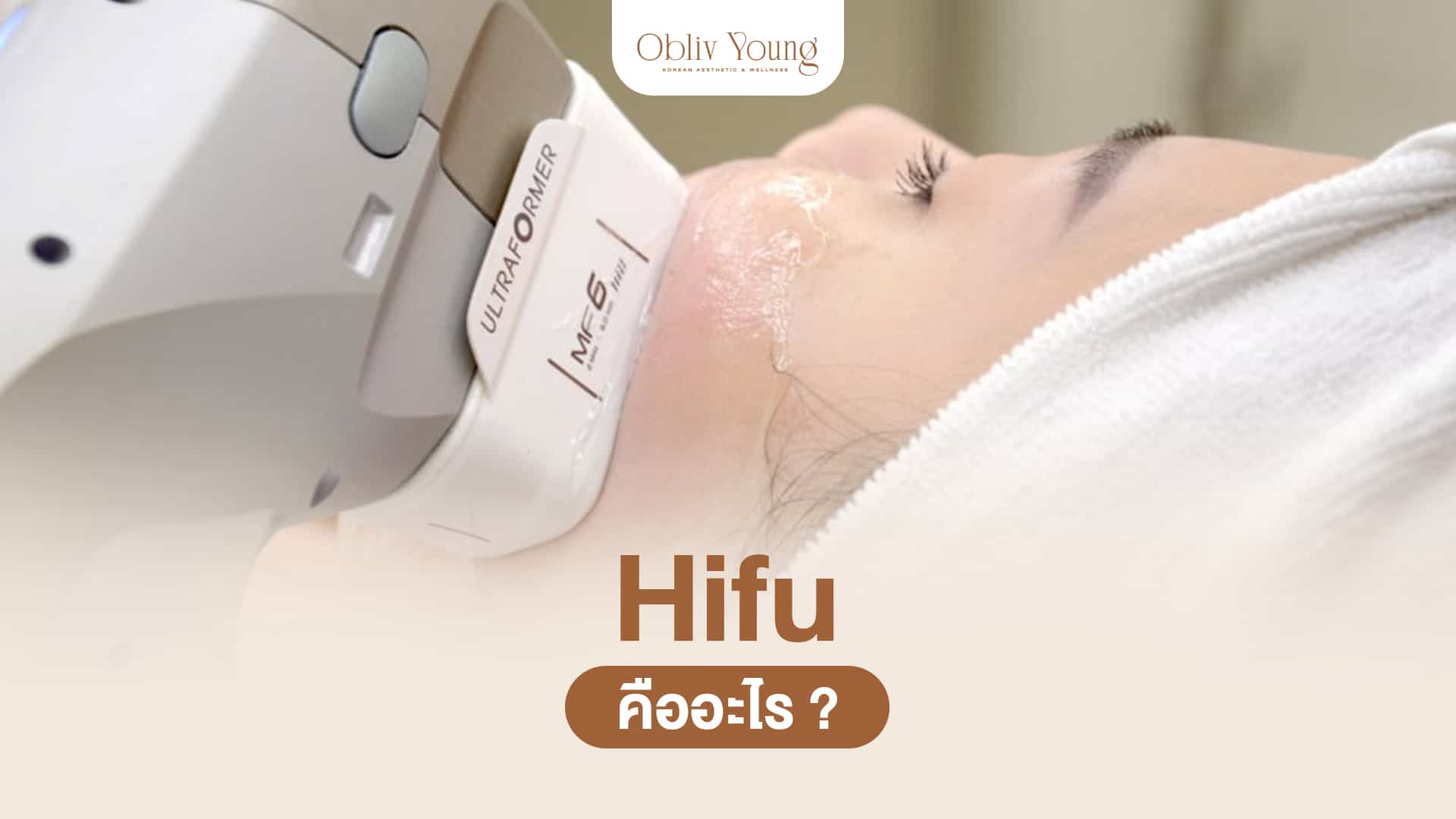
What is HIFU treatment and who may consider it?

Short answer: Hifu treatment is best considered in relation to your concern, timing and individual assessment. The right approach depends on what you hope to address.
Key Takeaways
- Hifu treatment is not a one-size-fits-all answer; an assessment helps match the concern to an option.
- this overview distinguishes possible goals from not assuredd outcomes.
- Timing, recovery and individual response should shape decisions.
- Ask a qualified clinician about alternatives, limits and follow-up.
Read This Section
- What is HIFU treatment?
- What concerns does HIFU address in the guidance?
- When may changes appear and how long may they last?
- At what age should someone start HIFU?
- Who may be suitable, and when may HIFU not be enough?
- What should you know before choosing HIFU?
- How can Obliv Young help?
- Frequently asked questions
What is HIFU treatment?
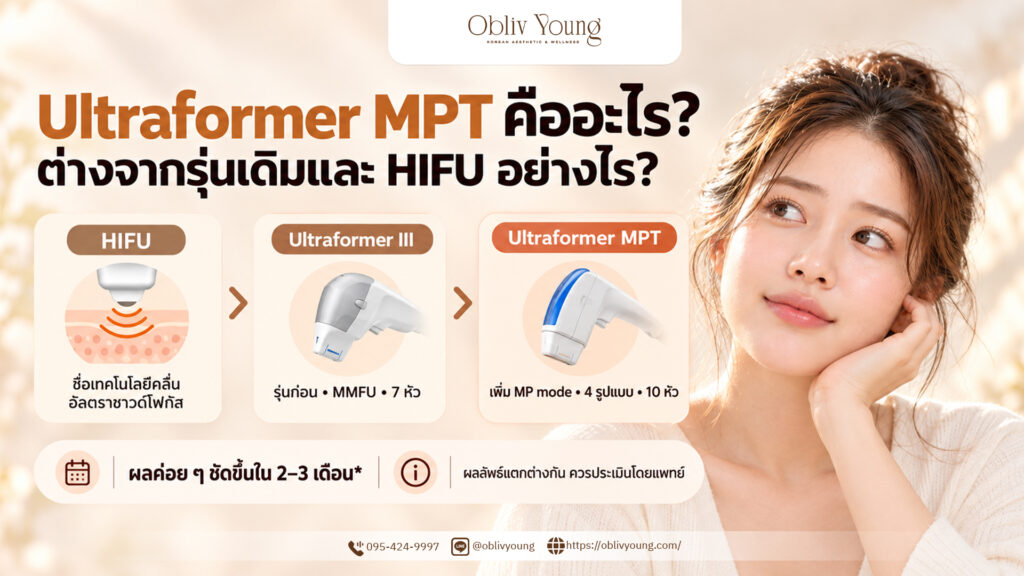
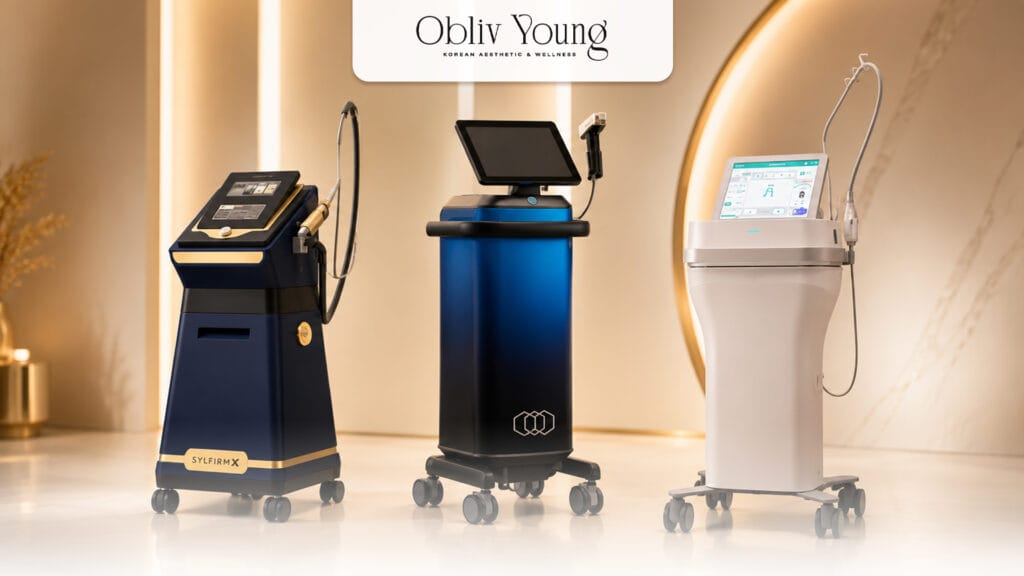
HIFU stands for high-intensity focused ultrasound. the guidance describes it as a technology that directs ultrasound energy into deeper tissue for skin-tightening goals, without surgery. the guidance refers to the SMAS layer, but this overview does not equate a non-surgical procedure with surgery or promise a lifting result.
A clinician should explain which device and depth are being used, what the procedure can and cannot address, and what alternatives exist. General cosmetic-procedure guidance from the NHS can help readers prepare questions, but it does not replace an individual consultation.
What concerns does HIFU address in the guidance?
this overview discusses early to moderate skin laxity, a less-defined jawline, mild to moderate fullness under the chin and some fine lines linked to reduced skin elasticity. It also mentions skin firmness and texture. These are goals described in the guidance, not assured outcomes or a diagnosis.
the guidance says HIFU does not address every concern. More pronounced laxity or deeper folds may need another approach or a combination, depending on the clinician’s assessment. Ask whether the proposed treatment matches your main concern instead of relying on broad claims about lifting.
Hifu treatment: When may changes appear and how long may they last?
the guidance says some immediate tightening may be noticed, while the main changes are described as developing over 1–3 months. It reports an average duration of 4–6 months and says some cases may last up to 1 year. These are the guidance time ranges, not not assureds or a prediction for an individual.
Ask when the clinician would assess your response and what signs would change the plan. Do not use a general range as a reason to schedule treatment without assessment. Skin, device, treatment settings and individual response can affect expectations.
At what age should someone start HIFU?
The the guidance says the answer depends on skin concerns rather than age alone. It discusses collagen changes from around age 25 as general context, but age by itself does not mean someone needs a procedure. The relevant question is whether a person has a concern that HIFU may address and whether the clinician considers it appropriate.
If you are considering a preventive treatment, ask about expected benefit, limits, alternatives and the reason for starting now. A treatment should not be chosen solely because of an age threshold.
Who may be suitable, and when may HIFU not be enough?
the guidance describes people with early to moderate laxity who want a non-surgical approach and no downtime as possible candidates. If laxity is more pronounced or facial structure has changed substantially, HIFU alone may not address the concern. this overview mentions other procedures as possibilities, but those also require assessment.
Suitability depends on individual circumstances. Share relevant health information and previous procedures with the clinician. Ask what outcome is realistic and whether waiting or choosing another option would make more sense.
What should you know before choosing HIFU?
the guidance cautions against expecting an immediate dramatic change. It says a treatment may feel tight or deeply uncomfortable during the procedure; experience varies. Discomfort alone does not prove that energy reached a particular layer or that a treatment will work. Ask about the device, settings, provider qualifications, risks and aftercare.
The the guidance includes prices, which this English draft omits. Cost should not be the only selection factor. Start with an assessment of your concern, then discuss the treatment rationale, likely timeline and alternatives before making a decision.
For general context, see NHS guidance on cosmetic procedures. This external information does not replace an individual assessment. For a relevant clinic page, see skin lifting and firming options.
Hifu treatment: How can Obliv Young help?
It can be difficult to know which option fits your main concern or timing. At Obliv Young, an assessment can help clarify the goal, discuss what may be appropriate and set realistic expectations. A clinician can assess your individual circumstances before you decide; a procedure is not required simply because you ask about it.
Hifu treatment should be discussed in the context of your goals and individual assessment.
Frequently asked questions
What does HIFU stand for?
HIFU means high-intensity focused ultrasound. the guidance describes it as focused ultrasound technology used for skin-tightening goals.
When might HIFU results appear?
the guidance reports some immediate change and further changes over 1–3 months. Individual response varies, so this is not assuredd timeline.
How long may HIFU results last?
The the guidance reports about 4–6 months on average and up to 1 year in some cases. These are not assured durations.
Who may be suitable for HIFU?
the guidance discusses early to moderate laxity and a non-surgical goal. A clinician should assess your concern, medical history and whether HIFU is appropriate.
If you would like to understand your main concern, you can contact Obliv Young to ask questions and arrange an assessment.
This article was medically reviewed by
Mr. Park Young Jin
Education
Graduated with a Doctor of Medicine degree from Inha University College of Medicine, and completed an executive program at Seoul National University. Gained experience as a Public Doctor within the government sector before advancing into Aesthetic Medicine with leading Korean clinic groups, including Forever Plastic Surgery, Ppeum Clinic, and Y&I Clinic, serving as a physician and Senior Doctor
Specializes in
Specializes in Aesthetic Medicine, Facial Contouring, and Facelifting Techniques, serving as President of the Obliv Clinic Network (Incheon, Bangkok, Dubai). Also active in the academic community as Academy Director of the Korean Aesthetic Surgery & Laser Society and Senior Director of the Korean Academy of Facelifting and Contouring , as well as a Global KOL and Key Doctor for leading brands including Wontech, MERZ, Jetema, Amalian, and Gouri, covering Filler, Energy-Based Devices, and Skin Rejuvenation technologies internationally. Source: Aestheticsa