Pico laser models: how do the main types differ?



Short answer: Pico laser models is best considered in relation to your concern, timing and individual assessment. The right approach depends on what you hope to address.
Key Takeaways
- Pico laser models is not a one-size-fits-all answer; an assessment helps match the concern to an option.
- this overview distinguishes possible goals from not assuredd outcomes.
- Timing, recovery and individual response should shape decisions.
- Ask a qualified clinician about alternatives, limits and follow-up.
Read This Section
- What is a Pico laser?
- What are the main Pico laser model groups?
- What does the guidance say about Pico Alex?
- How is Pico Majesty described?
- Are Sylfirm and CureJet Pico laser models?
- How should you compare Pico laser models?
- How can Obliv Young help?
- Frequently asked questions
What is a Pico laser?
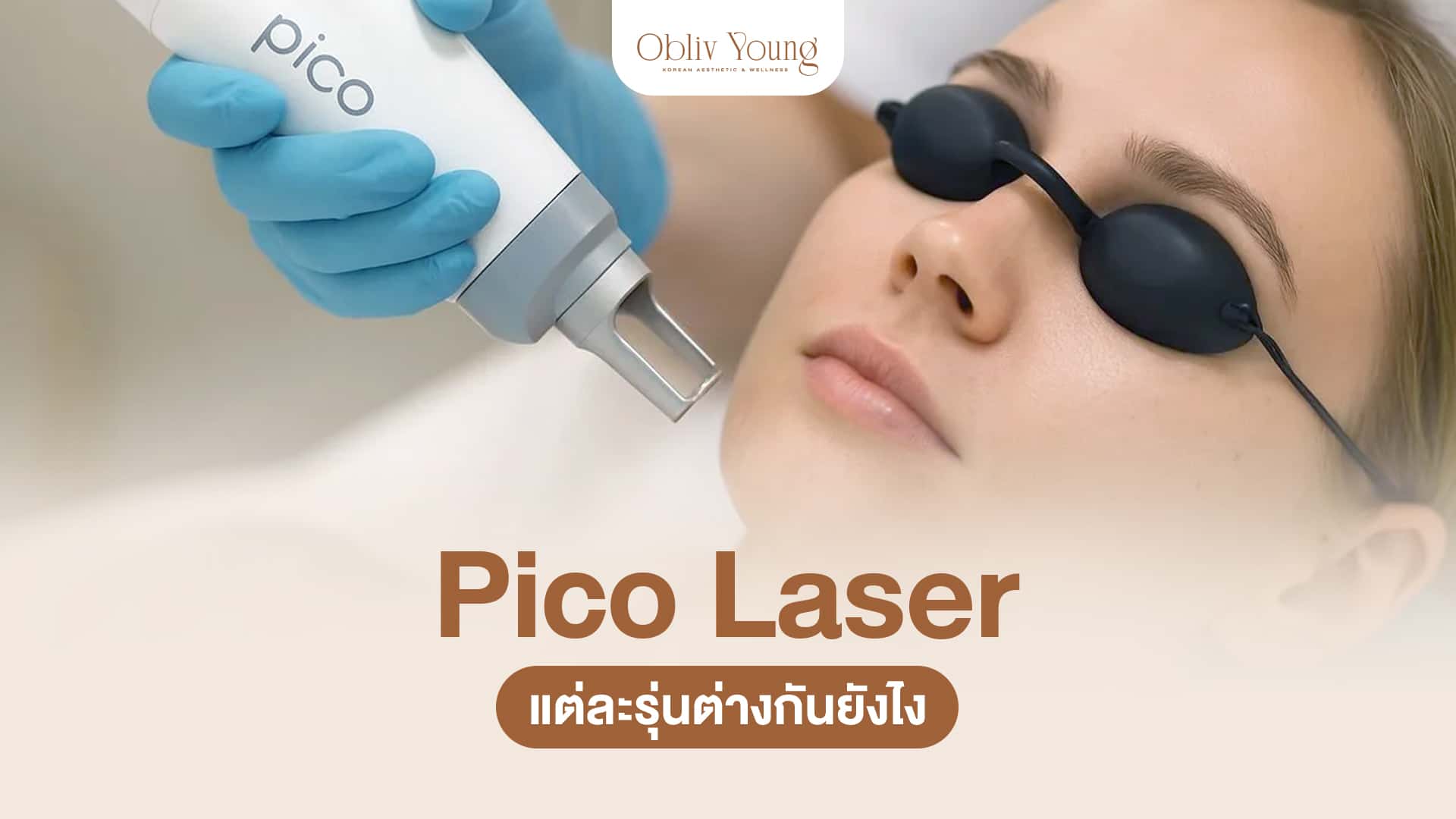
Pico laser is a broad name for picosecond laser technology, not one model. the guidance describes pulses that the device delivers in picoseconds and explains that devices can have settings for different concerns. A label alone does not tell you which treatment mode, wavelength or approach is appropriate.
the guidance says the device can target pigment and some modes serve skin-texture goals. In addition, it emphasizes that treatment planning matters. A clinician should assess the concern and explain the specific device and mode rather than choosing from a model name or marketing claim.
What are the main Pico laser model groups?
For example, this overview groups devices by intended role: pigment and post-acne marks; skin texture and collagen-related goals; or a broader combination of concerns. This is a practical way to compare purpose, not a universal classification of every device. Actual capabilities depend on the machine and its settings.
A clinician may discuss a pigment-focused approach for dark marks or uneven tone. For some pore or scar concerns, a clinician may consider a texture-focused mode. A broader device may offer more than one mode, but that does not mean it is automatically better or suitable for everyone.
Pico laser models: What does the guidance say about Pico Alex?
The this overview positions Pico Alex mainly in a pigment-focused group, including post-acne marks and uneven tone. It contrasts that goal with deeper texture concerns, which may need another approach. This is the guidance’s comparison, not assured that one named model will produce a particular result.
Ask which concern the clinician will treat, which settings they propose and what limitations apply. The FDA provides general information about medical lasers; it does not endorse a particular clinic or model.
How is Pico Majesty described?
the guidance describes Pico Majesty as a broader option that may be used for both marks and some skin-texture goals. It compares it with pigment-focused devices, while stressing that treatment planning and mode selection matter. Do not infer that a wider range of modes means a better outcome for every skin concern. The pico laser models question also depends on your individual concern and assessment.
The the guidance includes wavelength and model descriptions, but this draft avoids treating those technical details as a treatment recommendation. A practitioner should explain the device and its intended use for your specific concern.
Are Sylfirm and CureJet Pico laser models?
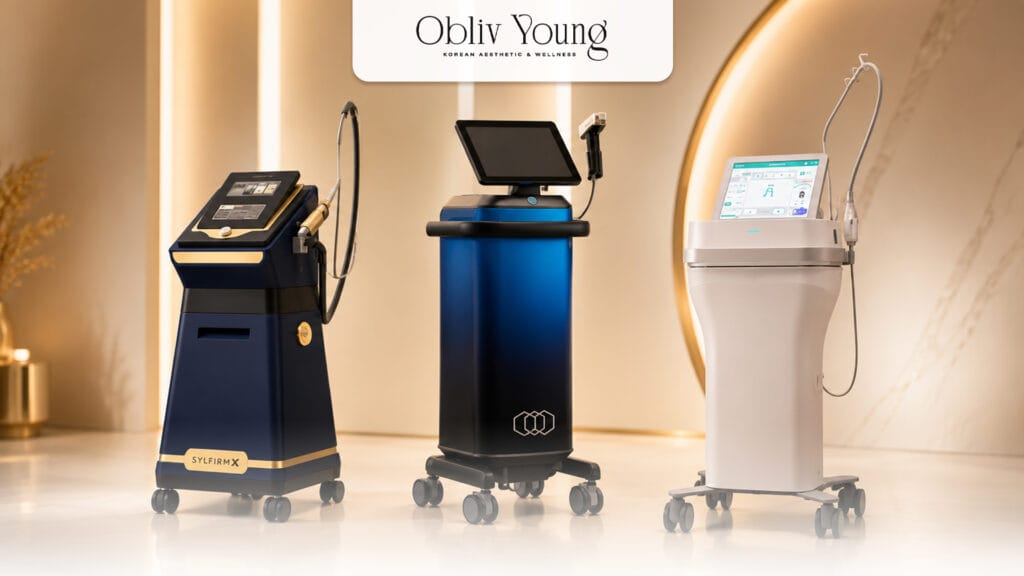
No. the guidance explicitly separates Sylfirm from Pico, describing it as radiofrequency microneedling rather than picosecond laser technology. It also says CureJet is a delivery technology, not a laser. These technologies work through different mechanisms, so do not list them as Pico models.
If a clinic discusses one of these alternatives, ask why it considers the option and how it relates to your goal. Device categories are not interchangeable, and the name alone cannot establish suitability.
How should you compare Pico laser models?
Start with the concern: pigment or post-acne marks, texture, pores or scars. the guidance says Pico may be more relevant to marks and some scar concerns than to active, inflamed acne; it advises addressing active inflammation first. A clinician can assess whether a laser is appropriate or whether a different plan is needed.
the guidance gives different session ranges for different concerns, but they are not universal schedules. This English draft does not make a number-of-sessions promise or include the guidance’s prices. Ask what change is realistic, how your clinician will assess progress and what other options exist.
For general context, see FDA information about medical lasers. This external information does not replace an individual assessment. For a relevant clinic page, see Pico laser service information.
Pico laser models: How can Obliv Young help?
It can be difficult to know which option fits your main concern or timing. At Obliv Young, an assessment can help clarify the goal, discuss what may be appropriate and set realistic expectations. A clinician can assess your individual circumstances before you decide; a procedure is not required simply because you ask about it.
In addition, discuss Pico laser models with a clinician in the context of your goals and individual assessment. For pico laser models, keep your goals and assessment at the centre of the decision.
Frequently asked questions
How do Pico laser models differ?
the guidance distinguishes pigment-focused devices, texture-focused modes and broader platforms. Specific capabilities depend on the model and settings; ask a clinician about the proposed device.
How many Pico laser sessions might you need?
The number depends on the concern and response. the guidance discusses different ranges for marks and scars, but an individual clinician should set expectations.
Can skin get darker again after Pico laser?
the guidance addresses this concern but does not support a not assured against recurrence. Pigment concerns and treatment response vary; discuss risks and follow-up with a clinician.
Who may be suitable for Pico laser?
the guidance discusses pigment, marks, pores and some scars, while cautioning about active inflammation or light sensitivity. A clinician must assess individual suitability.
If you would like to understand your main concern, you can contact Obliv Young to ask questions and arrange an assessment.
This article was medically reviewed by
Mr. Park Young Jin
Education
Graduated with a Doctor of Medicine degree from Inha University College of Medicine, and completed an executive program at Seoul National University. Gained experience as a Public Doctor within the government sector before advancing into Aesthetic Medicine with leading Korean clinic groups, including Forever Plastic Surgery, Ppeum Clinic, and Y&I Clinic, serving as a physician and Senior Doctor
Specializes in
Specializes in Aesthetic Medicine, Facial Contouring, and Facelifting Techniques, serving as President of the Obliv Clinic Network (Incheon, Bangkok, Dubai). Also active in the academic community as Academy Director of the Korean Aesthetic Surgery & Laser Society and Senior Director of the Korean Academy of Facelifting and Contouring , as well as a Global KOL and Key Doctor for leading brands including Wontech, MERZ, Jetema, Amalian, and Gouri, covering Filler, Energy-Based Devices, and Skin Rejuvenation technologies internationally. Source: Aestheticsa