Facial feng shui: what do five features traditionally mean?



Short answer: Facial feng shui is best considered in relation to your concern, timing and individual assessment. The right approach depends on what you hope to address.
Key Takeaways
- Facial feng shui is not a one-size-fits-all answer; an assessment helps match the concern to an option.
- this overview distinguishes possible goals from not assuredd outcomes.
- Timing, recovery and individual response should shape decisions.
- Ask a qualified clinician about alternatives, limits and follow-up.
Read This Section
- What is facial feng shui?
- What does a “good” face reading mean in the tradition?
- Forehead: what does it symbolize?
- Between the eyebrows: what meaning does the tradition assign?
- What do under-eye features represent in face reading?
- What do the nose and chin symbolize?
- How can Obliv Young help?
- Frequently asked questions
What is facial feng shui?
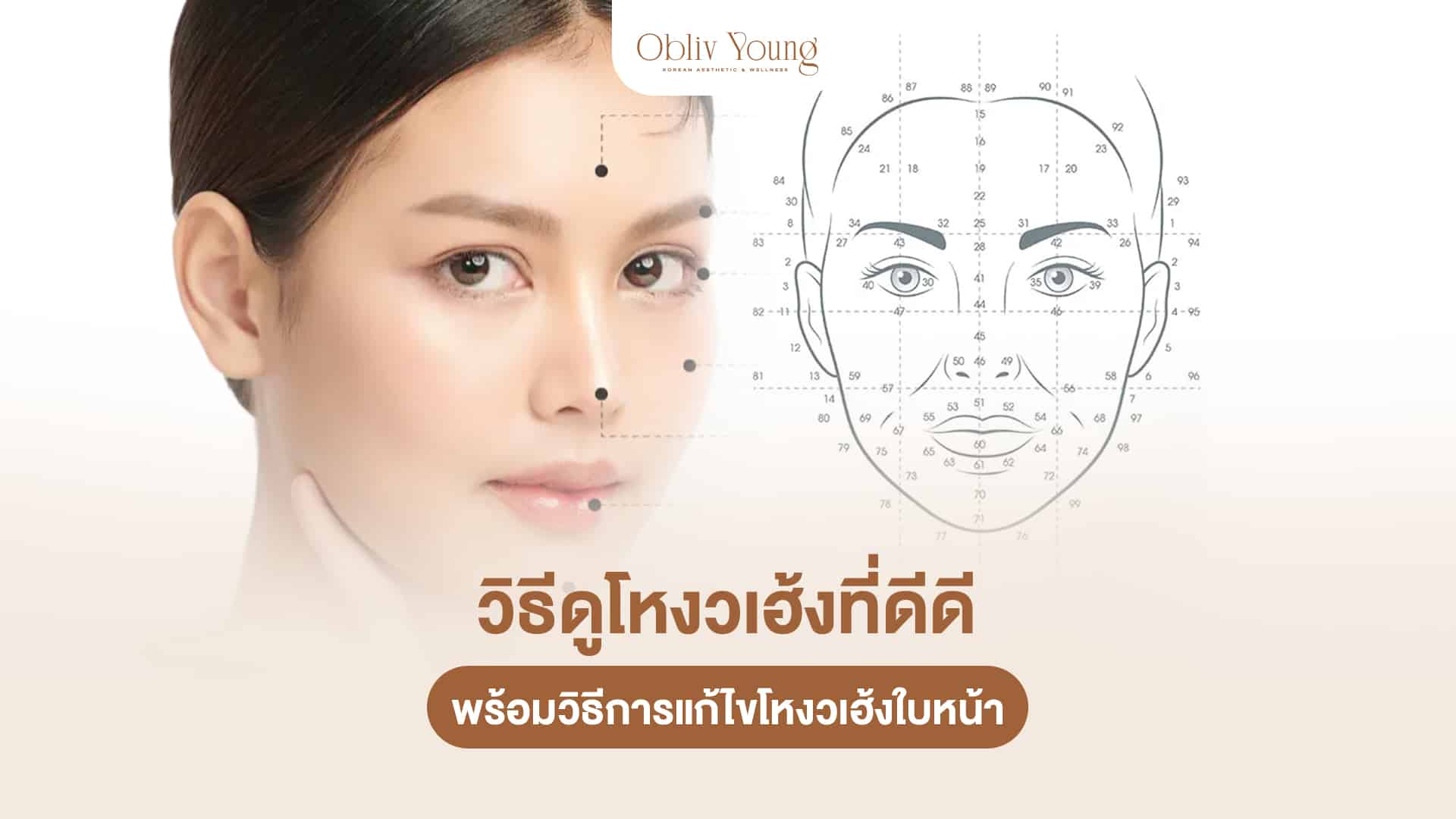
Facial feng shui, also called face reading, is a traditional belief system that assigns meanings to facial features. the guidance describes it as a cultural framework used to interpret personality, life prospects or social impressions. Instead, these meanings are beliefs, not reliable facts about someone’s character, finances, health or future.
People may form quick impressions from appearance; however, an impression is not evidence of a person’s traits. Instead, research on first impressions from faces examines perception; it does not validate traditional predictions. Keep that distinction in mind when reading feature-by-feature interpretations.
What does a “good” face reading mean in the tradition?
In this account, the guidance contrasts “good” and “poor” face reading through ideas of balance, harmony and an overall impression, rather than beauty alone. It associates an even-looking face and a fresh appearance with positive symbolism. In other words, these are cultural judgments, not objective measures of worth, trustworthiness or success.
Moreover, there is no single standard for an attractive or balanced face. Facial features vary naturally across individuals and cultures. Use traditional descriptions as a way to understand the belief system, not as a basis for judging yourself or someone else.
Facial feng shui: Forehead: what does it symbolize?
For example, in the guidance’s account, the tradition links a broad, rounded and clear-looking forehead with vision and support from elders. By contrast, the tradition frames a narrow, indented or lined forehead as a possible obstacle to career prospects. These are symbolic interpretations; forehead shape cannot establish intelligence, opportunity or future success.
In addition, the guidance discusses filler as one way some people seek a fuller appearance. Discuss any procedure with a qualified clinician, who can assess your individual needs. Cosmetic change cannot alter a person’s destiny or not assured a professional outcome.
Between the eyebrows: what meaning does the tradition assign?
Meanwhile, the guidance calls the space between the brows a symbolic “gate of fortune.” By contrast, the tradition links a smooth appearance with ease, while it connects a visible frown line with stress or difficulty. A line or facial expression cannot reveal a person’s character or circumstances.
Additionally, the guidance mentions botulinum toxin for the appearance of frown lines and, in some cases, filler. These are cosmetic options to discuss with a clinician, not ways to change luck or personality.
What do under-eye features represent in face reading?
For example, the guidance links a bright, full-looking under-eye area with compassion, relationships and positive energy. It also says hollowness or dark circles may make a person look tired. Therefore, those interpretations are cultural symbolism, not a health assessment or reliable prediction about relationships.
In addition, this overview discusses under-eye filler as a possible appearance-focused option. Suitability depends on a clinician’s assessment of the person and the area. Do not assume that darkness or hollowness has a single cause or needs a procedure.
What do the nose and chin symbolize?
In the tradition described, the nose represents finances and saving. The tradition frames a straight bridge and proportionate tip as positive symbols; these beliefs do not predict wealth or health. In the same tradition, what does the forehead symbolize?
The face-reading framework links the chin with stability and later-life support. By contrast, the framework describes a rounded, proportionate chin positively, while it presents a short or indented chin as a cosmetic concern. Therefore, these claims are not factual measures of someone’s future, character or confidence. Aesthetic options require individual assessment.
For general context, see research on first impressions from faces. This external information does not replace an individual assessment. For a relevant clinic page, see filler treatment options.
Facial feng shui: How can Obliv Young help?
It can be difficult to know which option fits your main concern or timing. At Obliv Young, an assessment can help clarify the goal, discuss what may be appropriate and set realistic expectations. A clinician can assess your individual circumstances before you decide; a procedure is not required simply because you ask about it.
Discuss facial feng shui with a clinician in the context of your goals and individual assessment.
Frequently asked questions
How is facial feng shui defined?
It is a traditional face-reading belief system that assigns symbolic meanings to facial features. Those meanings do not reliably establish personality, health or future outcomes.
What does a broad forehead mean in face reading?
For example, the guidance describes it as a traditional symbol of vision or support. Forehead shape cannot prove intelligence, career prospects or luck.
What meanings does face reading assign to under-eye features?
the guidance associates a bright, full-looking area with positive symbolism. This is cultural interpretation, not a health assessment or relationship prediction.
Can changing a feature change a person’s fortune?
No cosmetic procedure can be promised to change fortune, personality or life outcomes. A clinician can discuss appearance goals and whether a procedure is appropriate.
If you would like to understand your main concern, you can contact Obliv Young to ask questions and arrange an assessment.
This article was medically reviewed by
Mr. Park Young Jin
Education
Graduated with a Doctor of Medicine degree from Inha University College of Medicine, and completed an executive program at Seoul National University. Gained experience as a Public Doctor within the government sector before advancing into Aesthetic Medicine with leading Korean clinic groups, including Forever Plastic Surgery, Ppeum Clinic, and Y&I Clinic, serving as a physician and Senior Doctor
Specializes in
Specializes in Aesthetic Medicine, Facial Contouring, and Facelifting Techniques, serving as President of the Obliv Clinic Network (Incheon, Bangkok, Dubai). Also active in the academic community as Academy Director of the Korean Aesthetic Surgery & Laser Society and Senior Director of the Korean Academy of Facelifting and Contouring , as well as a Global KOL and Key Doctor for leading brands including Wontech, MERZ, Jetema, Amalian, and Gouri, covering Filler, Energy-Based Devices, and Skin Rejuvenation technologies internationally. Source: Aestheticsa