Hyaluronic Acid Benefits: What Can HA Do for Skin?

Short answer: Hyaluronic acid benefits depend on how HA is formulated and used. Topical skincare, injectable fillers, and medical applications are different and should not be treated as interchangeable.
Key Takeaways
- Hyaluronic acid (HA) is a naturally occurring molecule found in the body.
- Topical HA can support surface hydration; it is different from injectable filler.
- Molecular size does not let a reader predict how a product behaves on their own skin.
- Ask a clinician about injectables and medical uses; products and risks differ.
Read This Section
- What is hyaluronic acid?
- What are topical hyaluronic acid benefits?
- Do different forms of HA act differently?
- How do HA fillers differ from skincare?
- How can you choose an HA product?
- When should you seek an assessment?
- Frequently asked questions
hyaluronic acid benefits: What is hyaluronic acid?
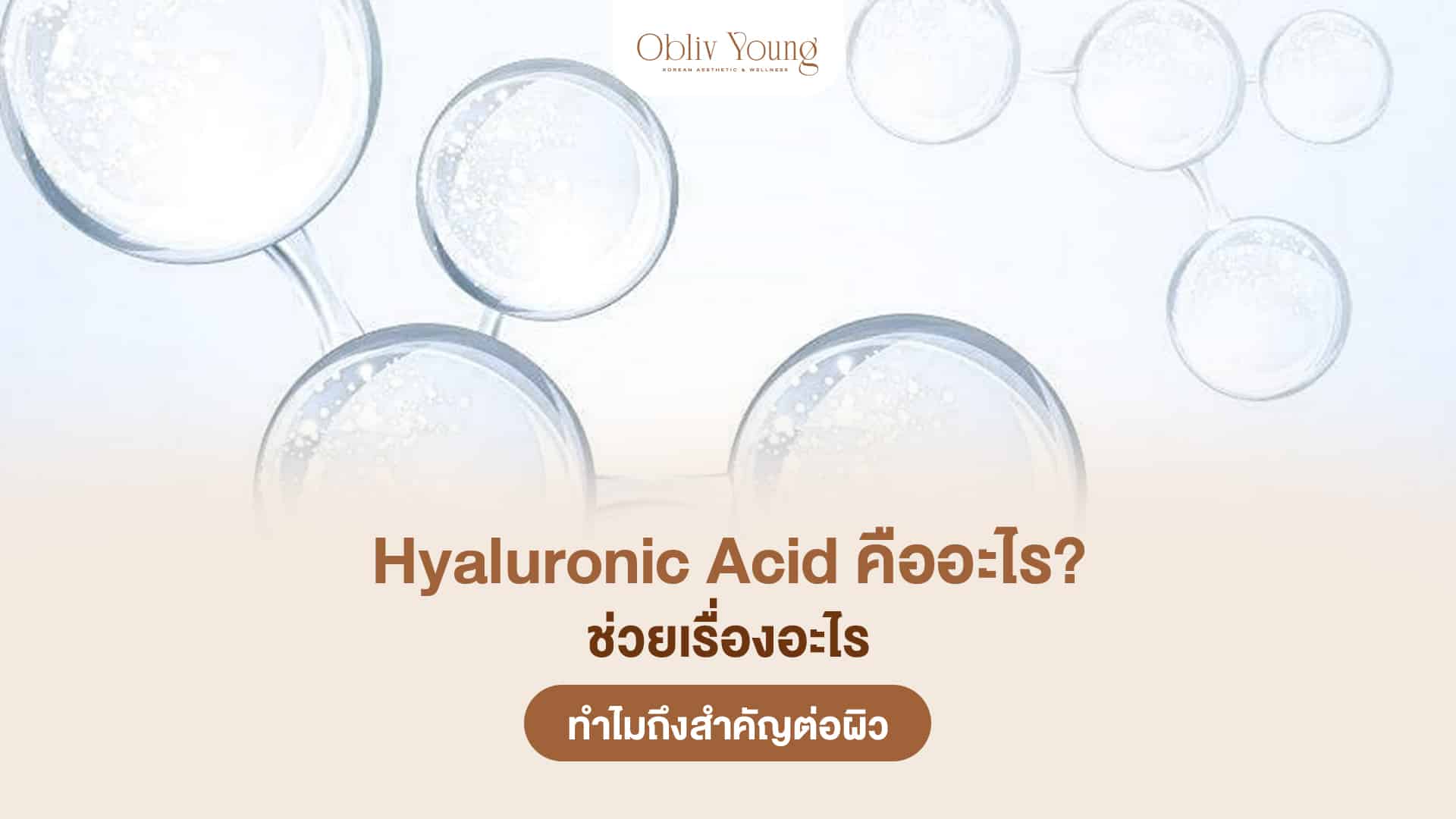
Hyaluronic acid (HA) is a molecule present in the body, including skin and other tissues. In skincare, it is used as a humectant: it helps attract and hold water at the skin surface. The effect depends on the full formula, how it is applied, and the surrounding routine.
HA as part of the skin’s support structure and discusses changes with age and environmental exposure. Avoid interpreting those descriptions as a personal diagnosis. Dryness, dullness, or fine lines can have different causes, and a moisturizer with HA is only one possible part of routine care.
HA in a topical serum or cream is not the same as injectable HA filler. The overview discusses both, but they differ in formulation, route, purpose, risks, and who should administer them. A product label should make clear whether it is for topical use or professional injection.
What are topical hyaluronic acid benefits?
A topical HA product may help skin feel more hydrated and look smoother temporarily. It can be used in a serum or moisturizer, often alongside ingredients that support the skin barrier. topical products as helping with moisture and a dewy appearance; outcomes vary by formula and skin.
Apply the product according to its label. If it layers poorly or feels uncomfortable, simplify the routine and check the other ingredients. People with persistent dryness, irritation, or a skin condition may benefit from professional advice rather than adding more products.
However, HA is not a substitute for every kind of skincare. Consider a gentle cleanser, moisturizer, and sun protection based on your skin’s needs. If you are comparing hydrating ingredients, Obliv Young’s article on dehydrated versus dry skin provides related context.
Do different forms of HA act differently?
The overview groups HA by molecular weight and gives examples of high-, medium-, and low-molecular-weight forms. These categories are part of product and formulation discussions. They do not allow a reader to infer exactly how far an ingredient will penetrate or what result a product will produce.
A skincare product includes more than one ingredient. The base formula, concentration, application, and skin barrier all affect how it feels and performs. Read the full ingredient list and follow the product directions instead of choosing by a molecular-size claim alone.
If a product irritates your skin, stop and assess its ingredients with a pharmacist or clinician. Sensitive or inflamed skin may react to more than HA itself. Avoid assuming that a smaller molecule is automatically better or that any single HA type can rebuild deeper tissue.
How do HA fillers differ from skincare?
cross-linked HA used as a dermal filler in aesthetic medicine. Fillers are injected by trained professionals for specific purposes, which may include adding volume or changing contour. They are not equivalent to applying a topical serum and carry distinct risks.
Before considering filler, ask which product is proposed, what area it is intended for, who will administer it, and what complications are possible. The U.S. Food and Drug Administration provides general information on dermal fillers and soft-tissue fillers. This information does not replace an individual consultation.
Also, mentions other medical applications of HA, such as eye products and joint-related care. These uses involve their own products and clinical decisions. Do not use a skincare product for an eye or joint condition, and do not treat an injection as a cosmetic moisturizer.
How can you choose an HA product?
Start with the concern you want to address: surface dryness, a texture concern, or a question about an injectable are different conversations. For topical use, follow the label and consider whether the rest of your routine is gentle and compatible. More products are not necessarily more effective.
For any injectable, request the product name and plan, discuss your health history and previous treatments, and ask about risks, aftercare, and follow-up. A clinician should explain alternatives and avoid promising a specific result. Take time to decide.
If you are unsure whether an HA product is a cosmetic or medical product, check its labeling and ask a qualified professional. The product’s broad overview should not be used to select an injectable, diagnose dehydration, or infer a deficiency.
When assessing topical hydration, bring your product label if you need help assessing a routine. In an injectable or medical context, speak with a qualified clinician about the product, purpose, and risks. dehydrated versus dry skin offers related general context. For an independent overview, see FDA information on dermal fillers.
Overall, consider hyaluronic acid benefits in light of your goals and assessment.
Frequently asked questions
Does topical hyaluronic acid replace filler?
No. A topical skincare product and injectable filler differ in formulation, purpose, route, and risks.
Do hyaluronic acid benefits depend on molecular size?
Formulation can matter, but molecular-size labels alone do not predict an individual result. Follow product directions and assess the full formula.
Can I use HA for dry or irritated skin?
A topical product may support hydration, but persistent irritation or dryness can have other causes. Seek professional advice if it continues.
Are all HA products safe to inject?
No. A qualified professional should administer only products intended for injection. Ask about the exact product and its risks.
In summary, your concern and assessment shape hyaluronic acid benefits.
If you would like to understand your main concern, you can contact Obliv Young to ask questions and arrange an assessment.
This article was medically reviewed by
Mr. Park Young Jin
Education
Graduated with a Doctor of Medicine degree from Inha University College of Medicine, and completed an executive program at Seoul National University. Gained experience as a Public Doctor within the government sector before advancing into Aesthetic Medicine with leading Korean clinic groups, including Forever Plastic Surgery, Ppeum Clinic, and Y&I Clinic, serving as a physician and Senior Doctor
Specializes in
Specializes in Aesthetic Medicine, Facial Contouring, and Facelifting Techniques, serving as President of the Obliv Clinic Network (Incheon, Bangkok, Dubai). Also active in the academic community as Academy Director of the Korean Aesthetic Surgery & Laser Society and Senior Director of the Korean Academy of Facelifting and Contouring , as well as a Global KOL and Key Doctor for leading brands including Wontech, MERZ, Jetema, Amalian, and Gouri, covering Filler, Energy-Based Devices, and Skin Rejuvenation technologies internationally. Source: Aestheticsa