When Should You Start Anti Aging by Age?

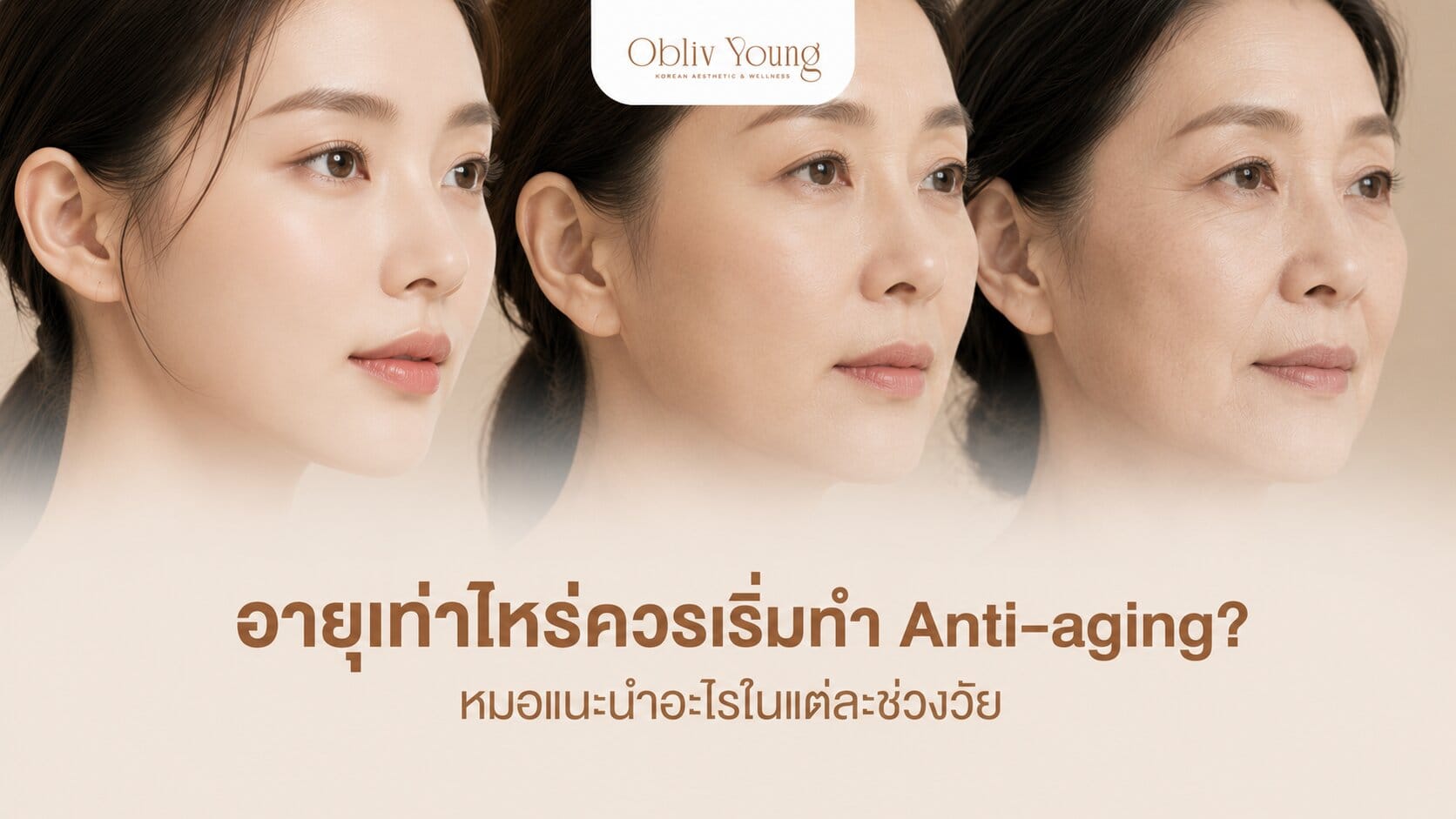
Short answer: Anti aging by age has no single starting point; therefore, prevention and care should reflect your health and concerns. Anti-aging medicine is a broad approach to prevention and care for changes in health and appearance. It includes more than wrinkles: sleep, stress, hormones, nutrition, immune function, and quality of life may enter a clinician’s discussion.
Key Takeaways
- Aging is natural; age alone does not determine a treatment need. Anti aging by age depends on individual concerns.
- Prevention-focused care may begin in the late twenties to early thirties.
- Possible checks depend on health context and the clinician’s reasoning.
- Clinicians may discuss health, lifestyle, and aesthetic approaches. Anti aging by age depends on individual concerns.
Read This Section
- Anti aging by age: what does this care mean?
- How can you approach an anti-aging plan?
- What care can anti-aging include?
- Which checks may an anti-aging assessment include?
- What should you understand about aging first?
- Which aesthetic options may you consider?
- Anti aging by age: when should you start?
Anti aging by age: what does this care mean?
Aging is a natural process, not a disease to stop. Instead, the aim is to understand individual health and consider appropriate care, not promise to reverse aging. The American Academy of Dermatology also provides general skin-care guidance for aging skin.
For broader context, see American Academy of Dermatology skin-care guidance. This general information does not replace an individual clinical assessment.
How can you approach an anti-aging plan?
No single formula suits everyone. Instead, a clinician may assess lifestyle, stress, sleep, nutrient status, hormones, and family or genetic risk before considering a plan.
For example, possible areas include nutrition, exercise, stress management, supplements, hormone assessment, or aesthetic care. However, these are broad categories, not a list of services every person needs. A clinician should explain the purpose and limits of any suggested step.
What care can anti-aging include?
Specifically, five areas include in-depth health checks; individualized vitamins and nutrients; hormone balance; cellular-support approaches; and aesthetic medicine. These categories range from health evaluation to skin-focused care.
It also discusses skin regeneration, skin tightening, wrinkle-prevention injections, and skin boosters. The choice depends on a person’s concern and assessment. For daily skin care, use reliable guidance rather than assuming a procedure is necessary.
Which checks may an anti-aging assessment include?
Therefore, anti aging by age should not replace health-based decisions about testing.
A clinician may consider vitamins and minerals, sex or thyroid hormones, inflammation, liver and kidney function, metabolism, blood sugar and lipids, and body composition. However, the list is not a required panel for everyone.
In this way, testing can help consider health risks and possible causes of change. Therefore, ask why the clinician proposes each test and how its result would affect the plan.
What should you understand about aging first?
Aging progresses gradually and naturally. People of the same age can experience different changes because of genetics, food, sleep, stress, pollution, exercise, and other habits.
Therefore, age alone cannot tell you what care you need. A symptom, health history, and personal goals matter more than an age label.
Which aesthetic options may you consider?
Five examples are Program Celebrity Glow 2 Therapy; skin regeneration; skin tightening; Bo and wrinkle prevention; and skin boosters or deeper skin-recovery approaches. These address energy, skin quality, laxity, expression lines, or hydration.
However, these labels do not establish that a service suits every reader. Ask what concern an option addresses, what the expected process involves, and what alternatives exist. There is no single treatment schedule for all age groups.
Anti aging by age: when should you start?
Prevention-focused care may begin in the late twenties to early thirties, broader attention may follow in the thirties to forties, and restoration and health risks may become a focus from the forties onward. In other words, these are broad life-stage descriptions, not fixed thresholds.
It names skin quality, preventive habits, health checks, hormone assessment, muscle maintenance, and chronic-disease prevention as topics that may become relevant. Ultimately, in every stage, decisions should reflect the person’s actual health and concerns. Obliv Young’s skin structure overview adds context for skin-focused discussions.
Discussing age-related concerns at Obliv Young
After all, age alone cannot determine which option fits. Anti aging by age depends on individual concerns. An assessment-first conversation can focus on your main concern, skin condition, health context, and realistic choices. A clinician can explain whether aesthetic care is relevant or whether a different next step makes more sense.
Frequently asked questions
Can anti-aging care start in your twenties?
Prevention-focused steps may include skin care, sleep habits, and health checks. It does not say every person needs a procedure.
Which aesthetic care is commonly discussed first?
Skin boosters, collagen-focused care, and wrinkle prevention are examples. Anti aging by age depends on individual concerns. A clinician should assess whether any option fits the individual.
Are vitamin infusions part of anti-aging?
Nutrient support may be considered, but the need depends on individual assessment.
What is the main goal of anti-aging care?
The goal is to support health and quality of life over time, not to stop the natural aging process.
If you would like to understand your main concern, you can contact Obliv Young to ask questions and arrange an assessment.
This article was medically reviewed by
Mr. Park Young Jin
Education
Graduated with a Doctor of Medicine degree from Inha University College of Medicine, and completed an executive program at Seoul National University. Gained experience as a Public Doctor within the government sector before advancing into Aesthetic Medicine with leading Korean clinic groups, including Forever Plastic Surgery, Ppeum Clinic, and Y&I Clinic, serving as a physician and Senior Doctor
Specializes in
Specializes in Aesthetic Medicine, Facial Contouring, and Facelifting Techniques, serving as President of the Obliv Clinic Network (Incheon, Bangkok, Dubai). Also active in the academic community as Academy Director of the Korean Aesthetic Surgery & Laser Society and Senior Director of the Korean Academy of Facelifting and Contouring , as well as a Global KOL and Key Doctor for leading brands including Wontech, MERZ, Jetema, Amalian, and Gouri, covering Filler, Energy-Based Devices, and Skin Rejuvenation technologies internationally. Source: Aestheticsa