What are common chin acne causes, and what can help?
Short answer: chin acne causes describes a concern that a clinician should assess before selecting care.
Key Takeaways
- chin acne causes has different considerations depending on the treatment and concern.
- Device or product names do not replace an individual assessment.
- Ask about limits, risks and follow-up before making a decision.
Read This Section
- What are common chin acne causes?
- How do different spot types relate to chin breakouts?
- What can you try at home?
- How should skincare ingredients be approached?
- When should a clinician assess chin acne causes and symptoms?
- What clinic options may be discussed?
- Frequently asked questions
What are common chin acne causes?
Chin acne can involve clogged pores, oil, inflammation and recurring triggers. Hormonal changes may be relevant for some people, especially when spots return in a similar area, but location alone cannot identify a cause. Friction, touching the face and products may also contribute. Keep track of when breakouts appear and what changes in your routine. This pattern gives a clinician more useful context than assuming every chin bump has the same explanation.
How do different spot types relate to chin breakouts?
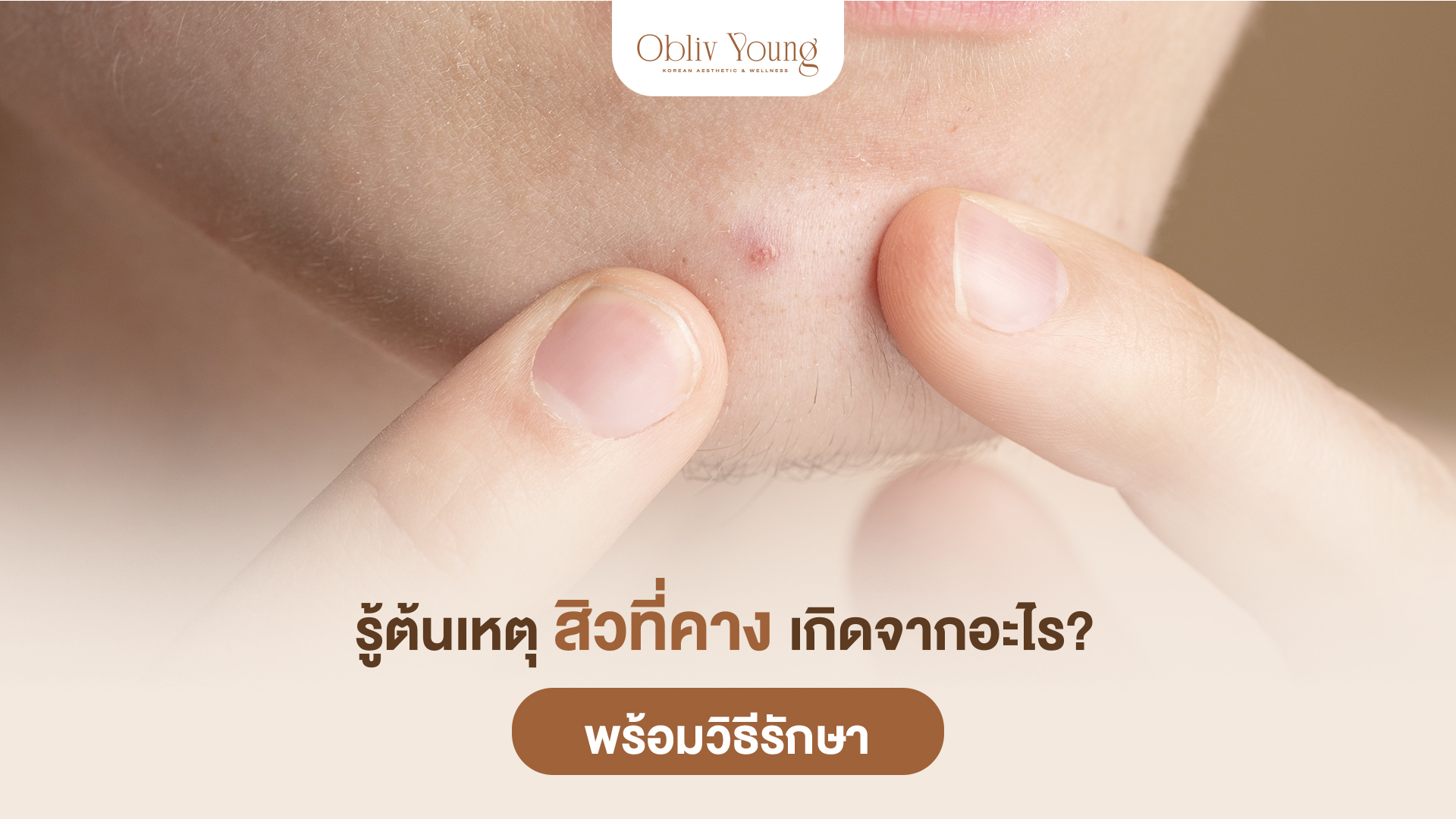
Chin acne may include clogged pores, inflamed bumps, deeper tender lesions or pustules. A bump that resembles acne may instead be another skin condition. Avoid squeezing deep lesions because pressure can worsen inflammation and increase the chance of marks. If the appearance is unusual, painful or persistent, ask a clinician to assess it rather than adding stronger products. The type of lesion affects which care is appropriate.
What can you try at home?
For mild, early spots, keep the routine simple and gentle. Cleanse without scrubbing, avoid repeatedly picking at lesions and introduce only one new product at a time. If a product stings or causes marked dryness, pause and seek advice. The general information discusses spot care and skincare ingredients, but product choice should match the skin and lesion. Do not layer multiple strong treatments simply because breakouts have not changed quickly.
How should skincare ingredients be approached?
The general information discusses salicylic acid and exfoliating acids, including approximate pH ranges of 3–4 for salicylic acid and 3.5–4 for AHA; it describes BHA near pH 3–4. Those technical ranges are not a prescription or a requirement for every product. Formulations differ, and irritated skin may worsen with aggressive use. Choose products according to the label and clinician advice, especially if skin is sensitive or already inflamed.
When should a clinician assess chin acne causes and symptoms?
Assessment can help when spots recur, heal slowly, become deep or painful, or leave dark marks or scars. A clinician can tell acne from look-alike conditions and assess whether hormones, routine or another factor may contribute. Seek care sooner if the skin is worsening or treatment causes a strong reaction. The aim is to identify the problem and discuss proportionate options, not to escalate to a procedure automatically.
What clinic options may be discussed?
For chin acne causes that involve different lesions, a clinician may discuss professional extraction for a visible comedone, care for inflamed acne or other approaches. The general information also mentions devices and procedures, but their suitability depends on the diagnosis and skin condition. Extraction is not appropriate for every lesion, especially deep inflammation. Do not attempt injections or device treatments yourself. Ask what each option targets, what risks apply and how progress will be checked.
For additional context, assessment NHS guidance on acne. The page is background information, not personal medical advice. Your clinician can explain how its scope relates to the question you are asking.
For more information about skin clarity and acne care, see skin clarity and acne care.
A clinician-led assessment at Obliv Young
Recurring chin spots can be frustrating, but treating every bump the same way may irritate the skin. A clinician can assess whether lesions are acne, assessment triggers and previous products, then discuss options suited to the pattern and severity. Seek advice if spots are painful, persistent or leaving marks. Assessment does not mean a procedure is necessary. Learn about broader skin clarity and acne care after clarifying your concern.
Frequently asked questions
Can chin acne be caused by hormones?
Hormonal changes may be one factor in recurring chin acne, but the location alone cannot confirm the cause. A clinician can assessment the pattern. When considering chin acne causes, keep your goals and assessment at the centre of the decision.
Should I squeeze a painful chin spot?
Avoid squeezing deep or inflamed spots. Pressure can worsen irritation and contribute to marks; seek assessment if it is painful or persistent.
When should I seek help for chin acne?
Consider a clinical assessment for recurring, deep, painful or scarring spots, or when you are unsure whether a bump is acne.
If you would like to understand your main concern, you can contact Obliv Young to ask questions and arrange an assessment.
This article was medically reviewed by
Mr. Park Young Jin
Education
Graduated with a Doctor of Medicine degree from Inha University College of Medicine, and completed an executive program at Seoul National University. Gained experience as a Public Doctor within the government sector before advancing into Aesthetic Medicine with leading Korean clinic groups, including Forever Plastic Surgery, Ppeum Clinic, and Y&I Clinic, serving as a physician and Senior Doctor
Specializes in
Specializes in Aesthetic Medicine, Facial Contouring, and Facelifting Techniques, serving as President of the Obliv Clinic Network (Incheon, Bangkok, Dubai). Also active in the academic community as Academy Director of the Korean Aesthetic Surgery & Laser Society and Senior Director of the Korean Academy of Facelifting and Contouring , as well as a Global KOL and Key Doctor for leading brands including Wontech, MERZ, Jetema, Amalian, and Gouri, covering Filler, Energy-Based Devices, and Skin Rejuvenation technologies internationally. Source: Aestheticsa