Cosmetic procedure mistakes: what should you avoid?

Short answer: cosmetic procedure mistakes refers to avoidable planning and decision errors that can affect expectations, safety and recovery.
Key Takeaways
- Do not choose based only on price or online photos.
- Verify product details and practitioner qualifications.
- Share your medical and procedure history.
- Understand risks, recovery and aftercare before deciding.
Read This Section
- 1. Choosing only by the lowest price
- 2. Treating before-and-after photos as proof
- 3. Not checking product details
- 4. Following a trend without considering your features
- 5. Skipping preparation and history
- 6–7. Hiding treatment history or expecting permanence
- 8. Ignoring side effects and recovery
- 9–10. Choosing a non-medical injector or skipping aftercare
- When to seek an assessment
- Frequently asked questions
Cosmetic procedure mistakes: choosing only by the lowest price
Cosmetic procedure mistakes can start with choosing a low price without checking product, storage, clinician experience or hygiene. this overview warns that an unusually low price may raise questions about product authenticity or handling. Compare what is included and ask for clear answers before deciding.
This is not a claim that price determines quality. Rather, cost should not replace checking credentials, product information and the treatment plan. If the provider cannot explain these points, pause and seek another professional opinion.
2. Treating before-and-after photos as proof
Photos may use different lighting, angles or expressions, and the person’s starting features may differ from yours. A result shown online cannot predict your outcome. Use images as a prompt for questions, not as a promise or substitute for a consultation.
Ask the clinician what change is realistic for your anatomy and what limitations apply. Discuss your priorities in your own words rather than asking to copy another person’s face.
3. Not checking product details
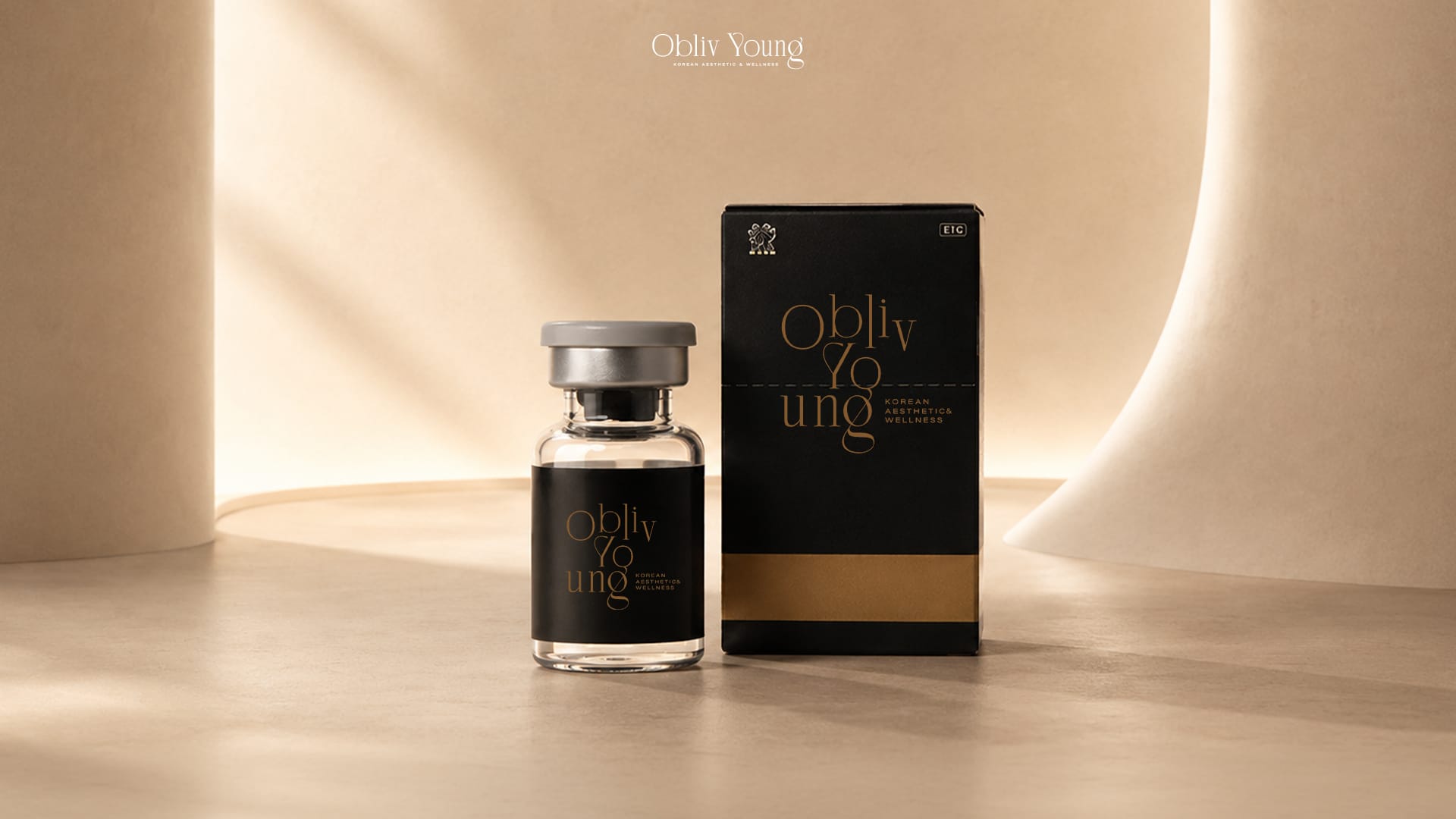
this overview advises asking about the product and checking identifying information such as its batch or lot number. You can ask to see product packaging and how the clinic verifies its origin. Keep the conversation factual and make sure you understand what will be used.
A product name alone does not establish authenticity, suitability or safety. Ask who will administer it and what documentation the clinic can provide. If the explanation is unclear, delay the decision until your questions are answered.
4. Following a trend without considering your features
A popular facial shape or treatment may not suit everyone. this overview cautions against choosing a trend without considering the person’s existing structure and proportions. A plan should focus on your concern, not on copying a celebrity or social-media image.
A consultation should discuss what can change, what should remain natural and whether a procedure is needed at all. You can decline or take time to consider options.
5. Skipping preparation and history
Before a procedure, tell the clinician about medications, supplements, prior treatments, allergies and relevant health conditions. this overview mentions vitamins, alcohol and medicines that affect clotting as factors to discuss. Do not stop a prescribed medicine or supplement without advice from the clinician who manages it.
Preparation differs by treatment. Ask for instructions in advance and clarify which steps apply to you. Accurate information helps the practitioner assess risks and plan appropriately.
6–7. Hiding treatment history or expecting permanence
Tell the clinician about previous injections, threads, devices and the areas treated. Earlier procedures can affect planning, so do not rely on memory alone if you can bring records. this overview warns that missing history may complicate a treatment plan.
Botulinum toxin and many fillers are not permanent. Assuming that they last forever may lead to unnecessary repeat treatment or expectations that do not fit the product. Ask how the clinician will assess whether and when a further procedure is appropriate.
Cosmetic procedure mistakes: 8. Ignoring side effects and recovery
“No downtime” does not mean that bruising, swelling or needle marks cannot occur. this overview cautions against scheduling an important procedure only one or two days before an event. Allow time for possible reactions and follow-up rather than relying on a best-case scenario.
Ask what common reactions may occur, which symptoms need prompt attention and how to contact the clinic. Recovery varies by treatment and person. The FDA provides general information about cosmetic treatment risks.
9–10. Choosing a non-medical injector or skipping aftercare
this overview emphasizes having a qualified doctor perform injectable procedures because anatomy and blood vessels matter. Ask about the practitioner’s credentials and experience with the proposed treatment. Do not proceed if you are unsure who will perform it or cannot get clear answers.
After treatment, follow the instructions given by the clinician. this overview gives examples such as avoiding firm facial massage after filler or heat after some lifting treatments; recommendations vary by procedure. Ask what to avoid and when to seek help. For context, see filler treatment information.
Cosmetic procedure mistakes: when to seek an assessment
It can be difficult to decide what fits your main concern. At Obliv Young, an assessment can help clarify the goal, explain possible options and discuss their limits. A clinician can assess your circumstances before you decide; asking questions does not mean a procedure is required. For general clinic information, see filler treatment information.
Frequently asked questions
How can I avoid cosmetic procedure mistakes?
Check the provider’s credentials, ask about the product and risks, share your treatment history, and make sure expectations and aftercare are clear.
Should I stop medication before a procedure?
Do not stop prescribed medication on your own. Tell the clinician what you take and ask for advice that accounts for your health.
Can before-and-after photos predict my result?
No. Lighting, angles and individual features differ. Photos can prompt discussion but cannot assurance a similar outcome.
What should I ask about recovery?
Ask about expected reactions, aftercare, warning signs and how to contact the clinic. Allow time before an important event in case recovery varies.
Cosmetic procedure mistakes are easier to avoid when questions are answered before consent. Cosmetic procedure mistakes can be reduced by taking time to decide.
If you would like to understand your main concern, you can contact Obliv Young to ask questions and arrange an assessment.
This article was medically reviewed by
Mr. Park Young Jin
Education
Graduated with a Doctor of Medicine degree from Inha University College of Medicine, and completed an executive program at Seoul National University. Gained experience as a Public Doctor within the government sector before advancing into Aesthetic Medicine with leading Korean clinic groups, including Forever Plastic Surgery, Ppeum Clinic, and Y&I Clinic, serving as a physician and Senior Doctor
Specializes in
Specializes in Aesthetic Medicine, Facial Contouring, and Facelifting Techniques, serving as President of the Obliv Clinic Network (Incheon, Bangkok, Dubai). Also active in the academic community as Academy Director of the Korean Aesthetic Surgery & Laser Society and Senior Director of the Korean Academy of Facelifting and Contouring , as well as a Global KOL and Key Doctor for leading brands including Wontech, MERZ, Jetema, Amalian, and Gouri, covering Filler, Energy-Based Devices, and Skin Rejuvenation technologies internationally. Source: Aestheticsa