Face slimming methods: which options fit your goals?






Short answer: Face slimming methods can range from styling to clinician-led options; the right discussion starts with whether your concern relates to muscle, facial structure, skin laxity, or localized fullness. For additional general guidance, see general advice from the American Academy of Dermatology.
Key Takeaways
- A balanced facial appearance is not defined by one shape or trend.
- The ten ideas include styling, habits, dental assessment, and procedures.
- Different options address different features; they are not interchangeable.
- A clinician can discuss benefits, limitations, and individual suitability.
Read This Section
- Why assess facial proportions first?
- What can injections address?
- How do energy-based approaches fit?
- What can styling and habits change?
- How should you think about combined plans?
- What about face-shape trends?
- How can an assessment help you choose?
- Frequently asked questions
Why assess facial proportions first?
A face can look wider or less defined for different reasons. Muscle prominence, localized fullness, facial structure, skin laxity, and styling can all affect perception. Start by identifying the area that concerns you instead of assuming that “slimmer” means reducing every feature.
The guide begins with a proportion assessment. A qualified clinician can discuss the forehead, cheeks, chin, jawline, and habits such as clenching. The purpose is to understand the concern and consider appropriate options, not to promise a particular shape or change.
What can injections address among face slimming methods?
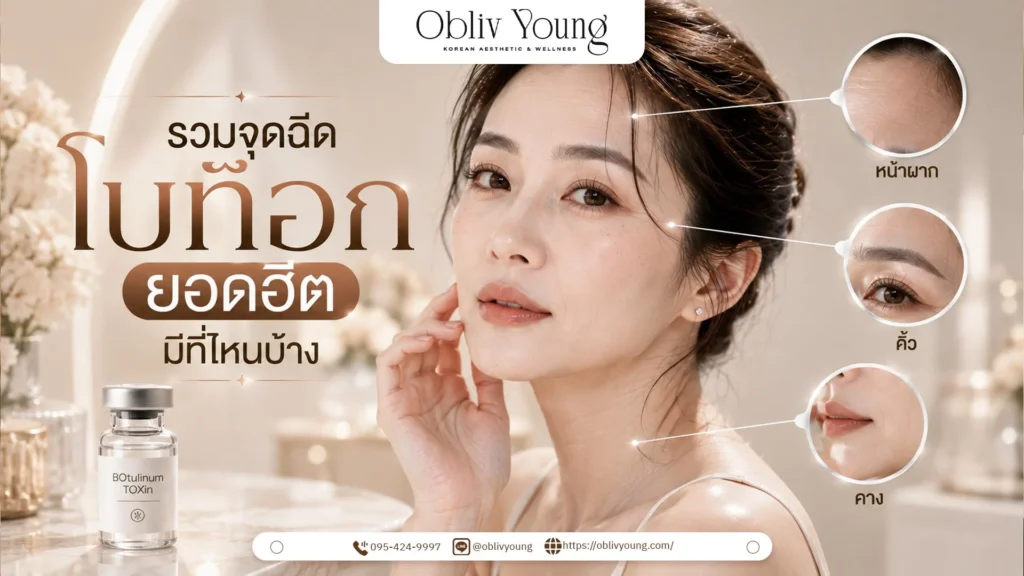
The guide discusses Botox for a jaw muscle concern and filler for chin or contour proportions. These are different procedures with different intended roles. Botox affects selected muscle activity; filler adds volume in selected areas. Neither is a universal face-slimming method.
The guide also mentions injections intended for localized fullness. These options require clinician assessment and a clear explanation of the product, intended area, limitations, and possible adverse effects. Do not select an injectable or request a specific amount based on a trend photo.
How do energy-based approaches fit?
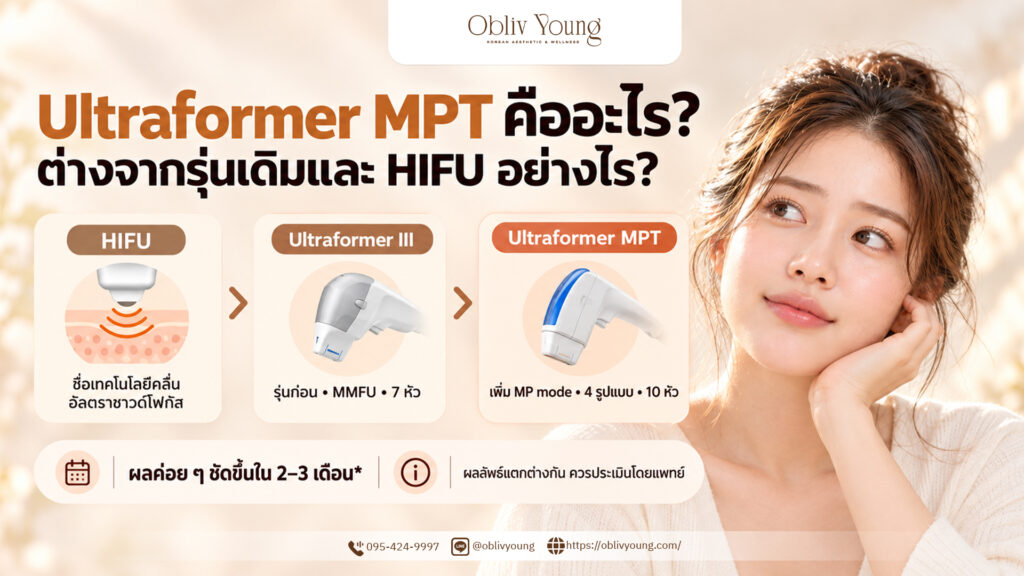
Focused ultrasound and radiofrequency are described as options for concerns about laxity or contour definition. The guide also mentions muscle stimulation alongside radiofrequency. These are not interchangeable technologies, and a device label alone cannot tell you whether it fits your skin or goals.
Ask what concern the clinician believes an energy-based approach may address, what the expected course involves, and what alternatives exist. The answer should be specific to your features and should include limits and possible risks. Face slimming methods should follow your goals, not a template.
What can styling and habits change?
Face slimming methods can include makeup and hairstyle, which change how proportions appear without a procedure. The guide describes contouring, highlighting, and hair layers as styling ideas. They can be tried or adjusted without changing facial structure.
It also discusses jaw habits and posture, such as clenching or prolonged gum chewing. If clenching causes discomfort or you have bite concerns, ask an appropriate health professional instead of trying to force a jaw position. Dental alignment and bite questions belong with a dental professional.
How should you think about combined plans?
A stepwise approach makes more sense than trying every option at once. That principle is useful for decision-making: first clarify the concern, then ask which option addresses it and whether less invasive choices might meet your goals. A clinician can explain whether separate approaches should be considered at all.
Face slimming methods that combine procedures may add cost, complexity, or additional risks. Do not assume that stacking treatments will create a more balanced result. Discuss timing, alternatives, recovery, and how you would judge whether an option is worthwhile before making a decision.
What about face-shape trends?
This overview describes a V-line as a popular 2025 look. A trend is a styling reference, not a standard every face needs to follow. Facial features vary, and a balanced appearance does not require copying a celebrity or a social-media image.
Use reference images only to explain what you like, such as a softer jawline or a longer-looking chin. Then discuss whether that goal is realistic for your anatomy and whether any change would fit your overall features. Avoid promising that a specific procedure will reproduce another person’s appearance. Face slimming methods should preserve a realistic, personal goal.
How can an assessment help you choose?
Several approaches can address different concerns, so a trend or a photograph cannot identify what your face needs. At Obliv Young, you can discuss your main concern and ask a clinician to assess your features, skin, and goals before considering any option. For a broader overview, read our guide to filler by facial area.
Frequently asked questions
What are common face slimming methods?
The options discussed include assessment, injections, energy-based procedures, makeup and hair styling, dental evaluation, habit changes, and a stepwise plan. Their purposes differ.
Can Botox address every wide-looking face?
No. It may be discussed when muscle prominence is relevant, but facial width can have other causes. A clinician can assess the feature you want to change.
Can makeup change face shape?
Makeup and hairstyle can change how proportions appear. They do not alter the underlying facial structure and can be adjusted without a procedure.
Should I copy a face-shape trend?
A trend can help you describe a preference, but it is not a medical standard. Discuss your own features and goals with a clinician before considering a procedure.
Can several methods be combined?
A stepwise discussion may help clarify options, but combining procedures is not automatically appropriate. Ask about rationale, limits, risks, and alternatives.
If you would like to understand your main concern, you can contact Obliv Young to ask questions and arrange an assessment.
This article was medically reviewed by
Mr. Park Young Jin
Education
Graduated with a Doctor of Medicine degree from Inha University College of Medicine, and completed an executive program at Seoul National University. Gained experience as a Public Doctor within the government sector before advancing into Aesthetic Medicine with leading Korean clinic groups, including Forever Plastic Surgery, Ppeum Clinic, and Y&I Clinic, serving as a physician and Senior Doctor
Specializes in
Specializes in Aesthetic Medicine, Facial Contouring, and Facelifting Techniques, serving as President of the Obliv Clinic Network (Incheon, Bangkok, Dubai). Also active in the academic community as Academy Director of the Korean Aesthetic Surgery & Laser Society and Senior Director of the Korean Academy of Facelifting and Contouring , as well as a Global KOL and Key Doctor for leading brands including Wontech, MERZ, Jetema, Amalian, and Gouri, covering Filler, Energy-Based Devices, and Skin Rejuvenation technologies internationally. Source: Aestheticsa