Filler vs skin tightening: how do you choose?




Short answer: Filler vs skin tightening comes down to the concern being assessed: loss of volume and support is different from skin laxity. The right choice depends on examination, treatment area and goals, not a device or product name alone.
Key Takeaways
- Filler and energy-based tightening target different concerns.
- Several device types use different forms of energy and treatment approaches.
- Treatment areas and suitability depend on individual assessment.
- A combined plan should have a clear clinical rationale.
Read This Section
- What does filler address?
- What does skin tightening address?
- How do the device approaches differ?
- Filler vs skin tightening: what is the key difference?
- What areas may suit filler vs skin tightening?
- How should you decide between them?
- How can an assessment help?
- Frequently asked questions
What does filler address?
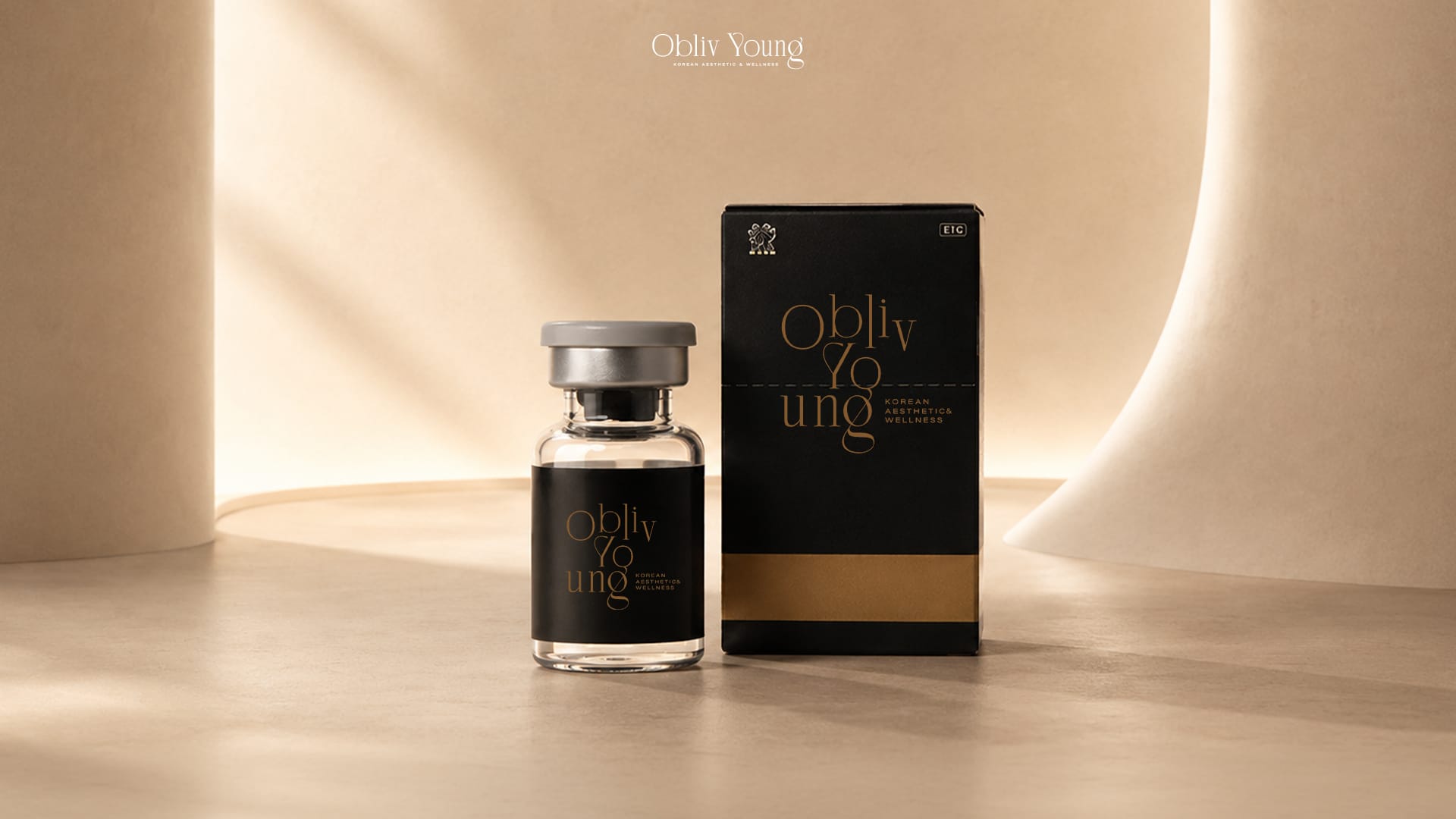
The overview describes hyaluronic-acid filler as an approach to volume loss and support in selected areas. It clinicians may discuss when a change in facial structure or fullness is the central concern. Filler is not the same as a skin-tightening device, and product choice and placement require clinical judgment. The FDA provides general guidance on soft-tissue fillers, including important considerations for consumers. Ask a clinician which product the clinician proposes, why it suits the area and what alternatives are available.
What does skin tightening address?
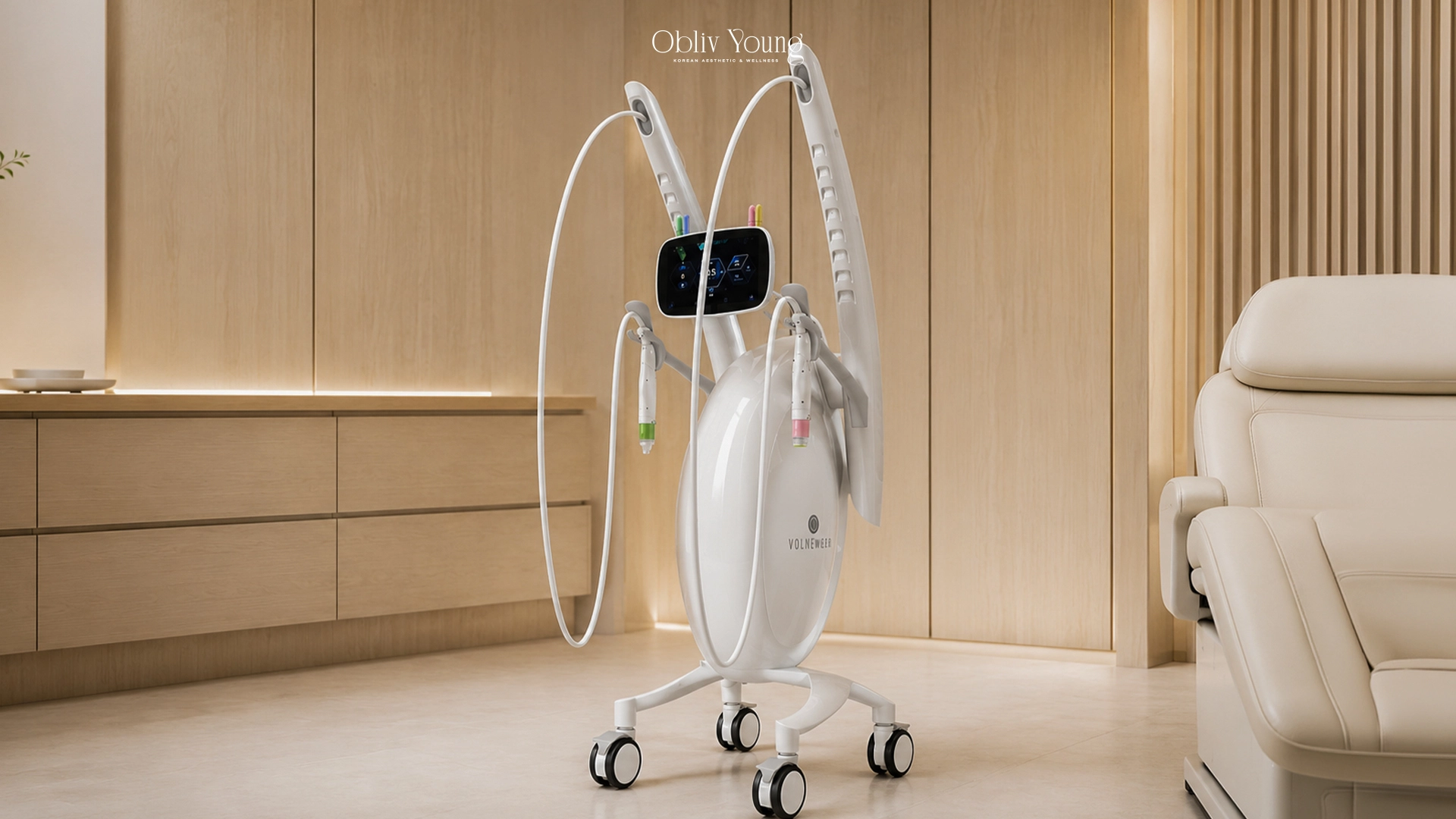
The overview describes tightening devices as using energy such as ultrasound or radiofrequency to address collagen changes and tissue laxity. The treatment is not a volume replacement. Device energy and intended depth vary, so the category does not represent one uniform procedure. A clinician should assess the area and explain what the selected device aims to do. Ask what change is realistic and whether the plan should also address volume loss.
How do the device approaches differ?
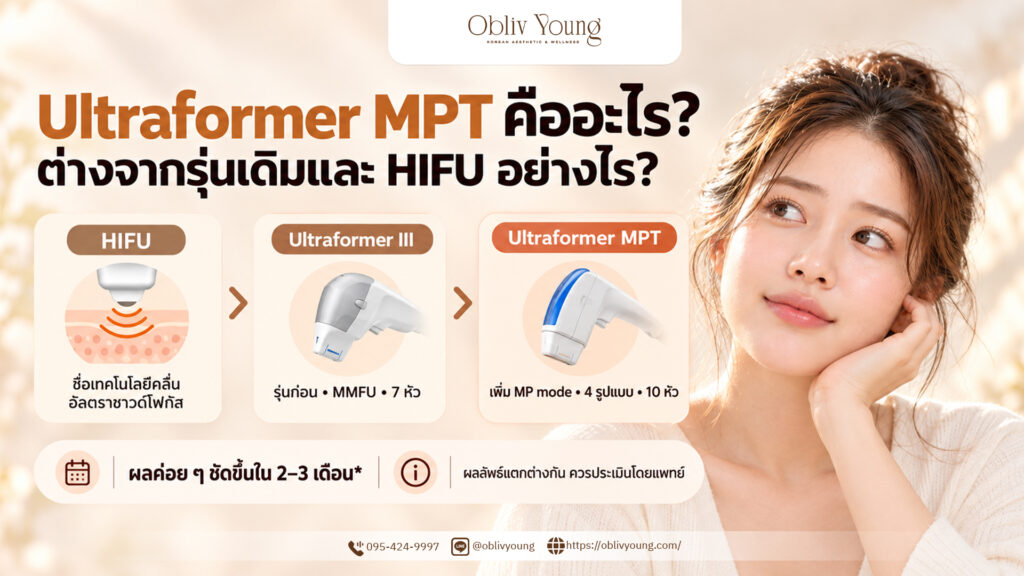
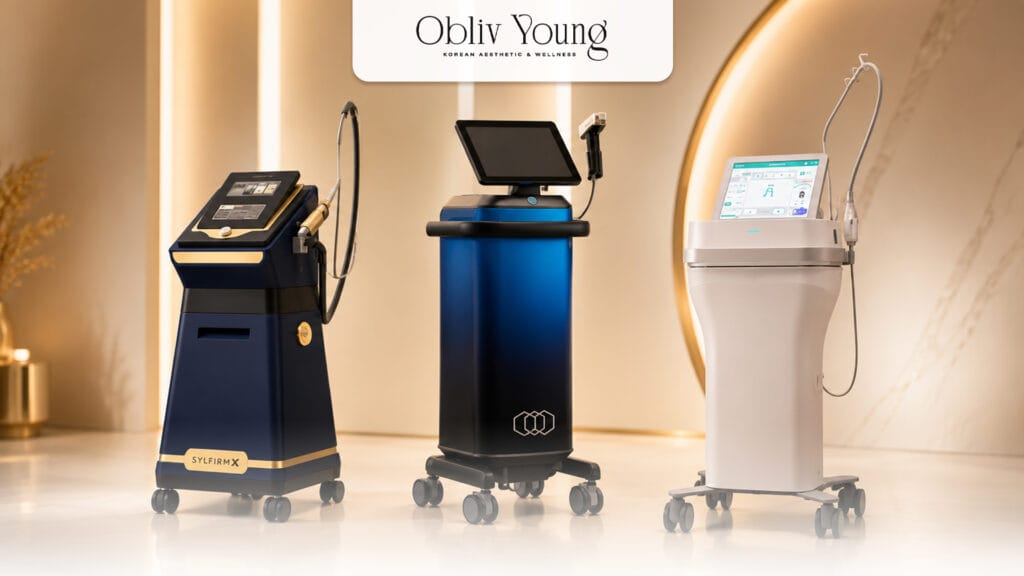
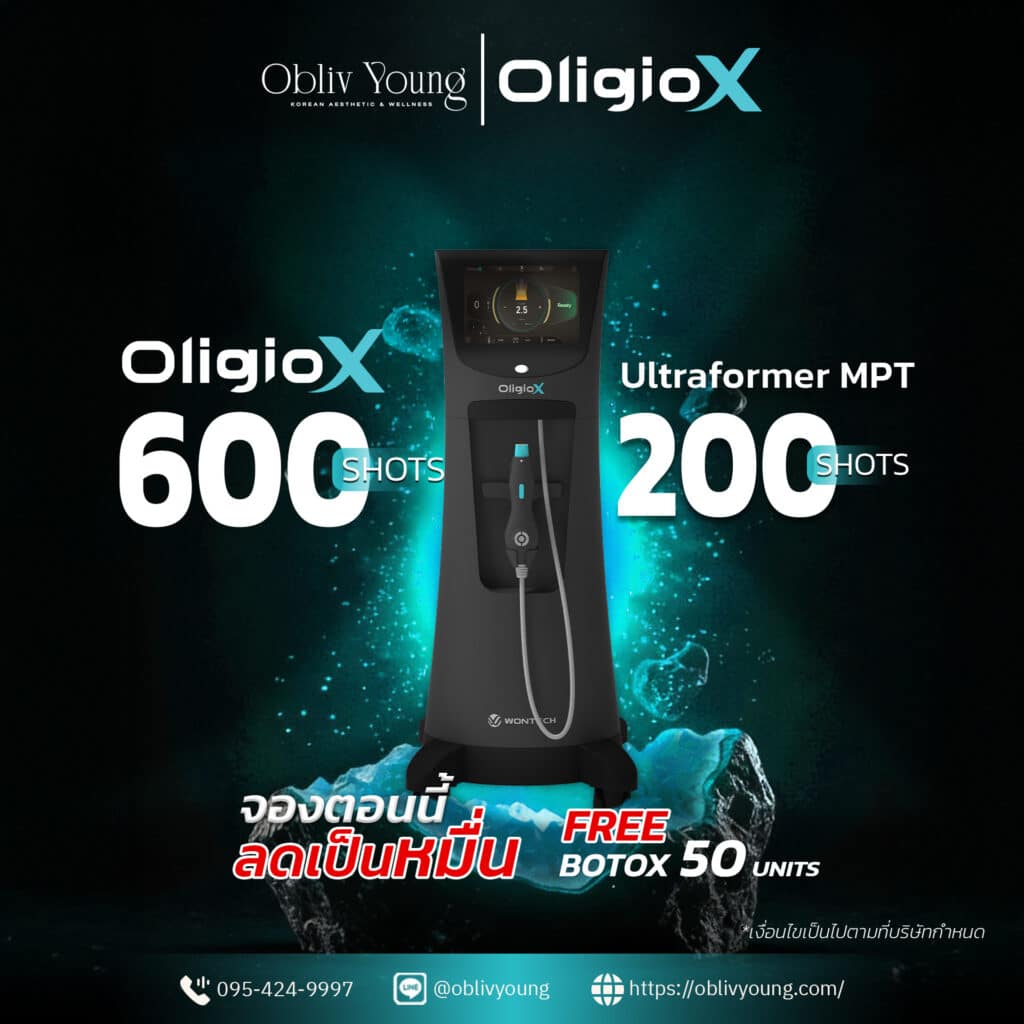
The Thai overview describes Ulthera and HIFU as focused-ultrasound approaches, Thermage and Oligio as radiofrequency devices, Ultraformer as using ultrasound at multiple depths, and Morpheus8 as RF microneedling. It associates these with differing treatment approaches and skin concerns. Those descriptions are not a head-to-head ranking or a promise of a particular outcome. Ask which device the clinician proposes, what area it targets and why that approach fits your assessment.
Filler vs skin tightening: what is the key difference?
The comparison is between volume support and tissue laxity, not two interchangeable ways to do the same thing. The overview suggests clinicians may discuss filler when volume loss is central and a tightening device when laxity is the main concern. Some cases may call for a combined plan, but the overview does not make that a default. A clinician should identify the concern first, then explain the role and limits of each option.
What areas may suit filler vs skin tightening?
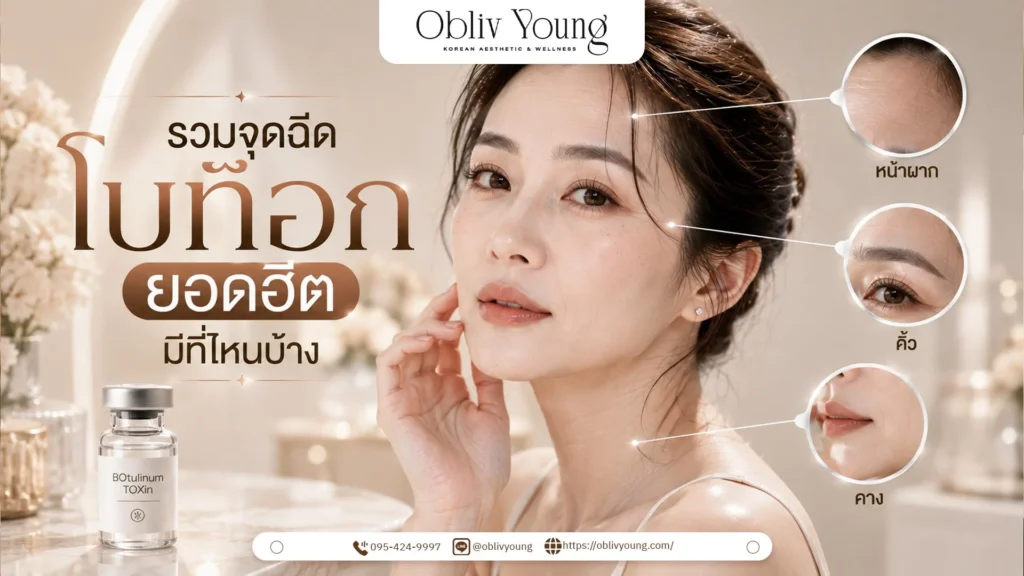
The overview discusses filler in areas such as under the eyes, temples, nasolabial folds and facial contour, while tightening devices clinicians may discuss for cheeks, jawline, under the chin, neck and some body areas. These are examples from the overview, not a personalized recommendation. Area, tissue characteristics and device or product choice affect suitability. Tell the clinician which feature concerns you and ask how the proposed treatment relates to it.
How should you decide between them?
Start with an assessment of the concern rather than choosing by brand. Ask whether the main issue is volume loss, laxity or both; what the proposed treatment can address; and whether the plan includes more than one approach. The overview emphasizes matching treatment to the skin layer and structural concern. assessment general filler information alongside a device discussion, then ask for the reasoning behind the plan. Do not assume that you need a procedure.
Filler vs skin tightening depends on the concern, area and clinical assessment.
A thoughtful assessment starts with your main concern, relevant history and goals. A clinician can explain suitable options, limitations and follow-up before you decide. You can ask questions without assuming that you need a procedure.
Frequently asked questions
Which is better for sagging: filler or a tightening device?
The overview distinguishes volume loss from tissue laxity. A clinician should assess which concern is present before recommending an approach.
Can a clinician use filler and skin tightening together?
The overview notes that some cases may use both, but a combined plan is not automatic. Assessment should establish the role and sequence of each treatment.
Which device is best?
The overview describes several device types with different energy approaches. It does not rank them as universally best; suitability depends on the area and assessment.
Which areas suit each approach?
The overview lists different facial and body areas as examples. A clinician must determine whether a specific product or device is suitable for your area.
Filler vs skin tightening depends on the concern and area under assessment.
If you would like to understand your main concern, you can contact Obliv Young to ask questions and arrange an assessment.
This article was medically reviewed by
Mr. Park Young Jin
Education
Graduated with a Doctor of Medicine degree from Inha University College of Medicine, and completed an executive program at Seoul National University. Gained experience as a Public Doctor within the government sector before advancing into Aesthetic Medicine with leading Korean clinic groups, including Forever Plastic Surgery, Ppeum Clinic, and Y&I Clinic, serving as a physician and Senior Doctor
Specializes in
Specializes in Aesthetic Medicine, Facial Contouring, and Facelifting Techniques, serving as President of the Obliv Clinic Network (Incheon, Bangkok, Dubai). Also active in the academic community as Academy Director of the Korean Aesthetic Surgery & Laser Society and Senior Director of the Korean Academy of Facelifting and Contouring , as well as a Global KOL and Key Doctor for leading brands including Wontech, MERZ, Jetema, Amalian, and Gouri, covering Filler, Energy-Based Devices, and Skin Rejuvenation technologies internationally. Source: Aestheticsa