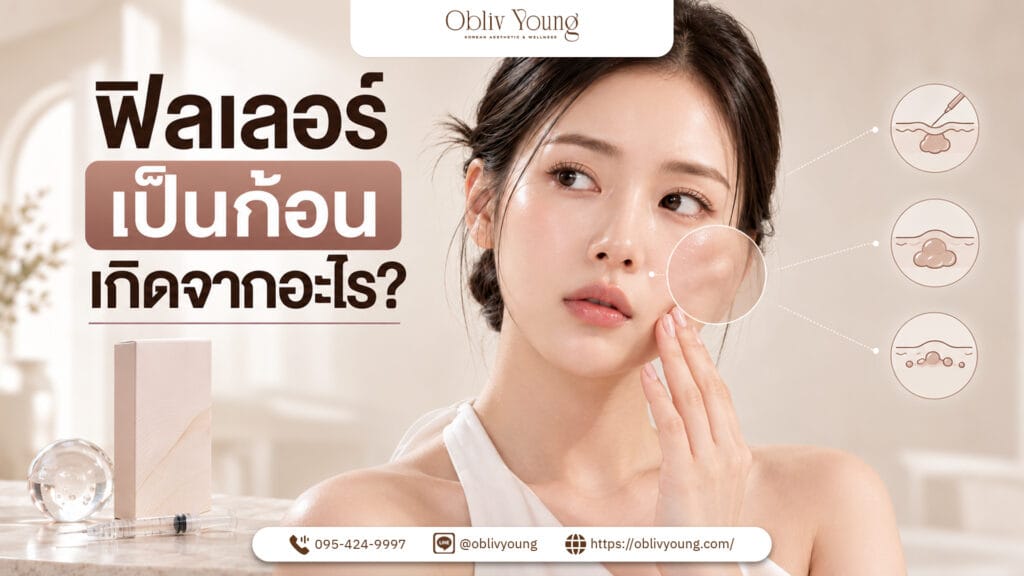
What Causes Forehead Acne and How Should You Care for It?

What Causes Forehead Acne and How Should You Care for It?
What is the short answer?
Forehead acne may involve clogged follicles and inflammation. Oil, sweat, hormones, hair, hair products, hats, or friction can be contributing factors, sometimes in combination. However, not every bump on the forehead is acne. If the bumps itch, sting, peel, or look unlike your usual acne, another condition should be considered.
A low-risk starting point is gentle cleansing, avoiding scrubbing and squeezing, reducing things that touch the forehead, and observing one change at a time. Deep or very painful acne, scarring, spreading symptoms, or acne that does not improve should be assessed by a clinician rather than managed by trying many products at once.
Key points
- The forehead location alone does not confirm the cause or type of bump.
- Hair, hair products, sweat, hats, and friction may be contributing factors for some people.
- Cleanse gently and avoid picking, squeezing, or harsh scrubbing.
- Seek advice if bumps are very itchy, sting, peel, form deep lumps, or leave scars.
Read the section you need
- What can cause forehead acne?
- Could forehead bumps be something other than acne?
- How can hair and hair products be involved?
- What effect do sweat, hats, and friction have?
- How can you care for forehead acne day to day?
- How should you choose skincare products?
- When should you see a clinician?
- Frequently asked questions
<a id=”causes”></a>What can cause forehead acne?
Acne can involve several processes, including oil and skin-cell buildup in follicles and inflammation. The forehead is close to the scalp and often comes into contact with sweat, hair, hands, hats, or products, so bumps may become more noticeable when several factors occur together.
Stress and changes in sleep may be associated with flare-ups for some people, but they are not the only explanation. Observing when the bumps began, their location and appearance, new products, sweat, and things touching the skin can reveal a pattern without assuming the cause from location alone.
You can also read about acne problems and examples of factors affecting chin acne.
<a id=”lookalikes”></a>Could forehead bumps be something other than acne?
Acne may include whiteheads, blackheads, and inflamed red bumps. Bumps that are very itchy, all similar in size, stinging, peeling, or starting after contact with a new product may have another cause, such as folliculitis, irritant dermatitis, or heat rash. These appearances can overlap, so do not diagnose yourself from a photo or location alone.
If an acne routine makes the problem worse, the bumps spread, thick crusts or blisters appear, or other unusual symptoms develop, stop random experimentation and seek an examination. Separating acne from lookalike conditions matters because their care may differ.
<a id=”hair-products”></a>How can hair and hair products be involved?
Fringe hair, scalp oil, and products such as pomade, wax, gel, oil, or spray may touch the hairline and forehead for long periods. For some people, contact, oil, and a coating on the skin may be associated with bumps or clogged pores in that area. “May be associated” is more accurate than claiming that a particular product definitely causes acne.
If bumps began after changing a product or appear exactly where hair touches the skin, avoid adding more new products, keep hair away from the forehead where practical, wash your hands after styling, and clean items that touch the skin one at a time. Itching, stinging, redness, or swelling may also point toward irritation or contact allergy.
Read more about hair products and acne.
<a id=”sweat-friction”></a>What effect do sweat, hats, and friction have?
Sweat does not cause acne for everyone. When it remains under hair, a hat, or equipment that presses against the skin, it may increase heat, dampness, and friction. Sunscreen, cosmetics, or hair products on the skin at the same time may make bumps more noticeable for some people.
Do not stop using necessary safety equipment, such as a helmet, because of acne. Care for the skin-contact areas according to the manufacturer’s instructions, choose a suitable fit, blot sweat gently, and cleanse the skin gently when practical. If bumps are very itchy or repeatedly follow a contact line, a clinician should help distinguish acne from a rash or folliculitis.
<a id=”daily-care”></a>How can you care for forehead acne day to day?
Start with a simple routine that does not damage the skin barrier. Cleanse gently as needed and after heavy sweating, pat instead of rubbing, remove makeup and sunscreen appropriately, and avoid harsh soap, scrubs, alcohol, or applying lemon to the skin. Picking and squeezing increase the chance of wounds, dark marks, and scars.
Change one factor at a time:
- Clean pillowcases, hats, and equipment that touch the forehead as appropriate.
- Keep hair and hair products from touching the forehead unnecessarily.
- Record when the bumps began, new products, sweat, itching or pain, and photos in similar lighting.
- Avoid adding several products at once, which can increase irritation and make the cause harder to identify.
General care should fit your skin and routine. You do not need to stop exercise or necessary protective equipment simply because you have acne.
<a id=”products”></a>How should you choose skincare products?
Choose a gentle cleanser, a moisturizer that feels comfortable, and sunscreen when needed. Read directions and warnings on the label. Terms such as “non-comedogenic” or “for oily skin” are useful information, not a guarantee that a product will suit everyone.
Acne products contain different active ingredients. Suitability depends on the appearance of the acne, skin sensitivity, age, current medicines, and health history. This article therefore does not specify a medicine, concentration, or number of applications. If you are pregnant, planning pregnancy, breastfeeding, have a medical condition, or take several medicines, tell a doctor or pharmacist before starting an active product, and do not use someone else’s medicine.
For marked swelling, severe stinging, a spreading rash, or a concerning reaction, stop the suspected product and seek medical advice. You can also read about inflammatory acne.
<a id=”doctor”></a>When should you see a clinician?
See a dermatologist when acne is deep and inflamed, very painful, repeatedly returns, causes increasing marks or scars, does not improve with gentle care, or may be another condition. Assessment considers the appearance and duration of the bumps, associated symptoms, products, medicines, and things touching the skin.
Seek help promptly for fever with hot, red, swollen, very painful skin; symptoms near the eyes; a rapidly spreading rash; grouped blisters; or facial or lip swelling with breathing difficulty. With severe symptoms, seek appropriate medical care rather than assuming it is ordinary acne.
<a id=”faq”></a>Frequently asked questions
Is forehead acne caused only by oil?
No. Oil may contribute to clogging when combined with skin cells, sweat, or products, but acne also involves inflammation, hormones, and individual factors. Washing until the skin feels tight may increase irritation.
Does fringe hair cause forehead acne?
Fringe hair may contribute when it touches the forehead for long periods, transfers oil or product, or increases dampness. It does not cause acne for everyone. Observe the pattern without changing many products at once.
Are small itchy forehead bumps acne?
They may be acne, but folliculitis, heat rash, or irritation are also possible. If bumps are similar in size, very itchy, stinging, peeling, or spreading, ask a clinician to assess them instead of using several strong products.
When should I see a clinician?
Seek advice for deep painful bumps, scarring, recurring acne, symptoms that do not improve, or bumps unlike your usual acne. Fever, hot red swelling, a spreading rash, blisters, symptoms near the eyes, or a severe allergic reaction require more prompt help.
If you would like an assessment of the main concern affecting your skin, you can contact Obliv Young to ask questions and arrange an assessment.

This article was medically reviewed by
Mr. Park Young Jin
Education
Graduated with a Doctor of Medicine degree from Inha University College of Medicine, and completed an executive program at Seoul National University. Gained experience as a Public Doctor within the government sector before advancing into Aesthetic Medicine with leading Korean clinic groups, including Forever Plastic Surgery, Ppeum Clinic, and Y&I Clinic, serving as a physician and Senior Doctor
Specializes in
Specializes in Aesthetic Medicine, Facial Contouring, and Facelifting Techniques, serving as President of the Obliv Clinic Network (Incheon, Bangkok, Dubai). Also active in the academic community as Academy Director of the Korean Aesthetic Surgery & Laser Society and Senior Director of the Korean Academy of Facelifting and Contouring , as well as a Global KOL and Key Doctor for leading brands including Wontech, MERZ, Jetema, Amalian, and Gouri, covering Filler, Energy-Based Devices, and Skin Rejuvenation technologies internationally. Source: Aestheticsa