Natural face tightening: what options should you consider?

Short answer: Natural face tightening can refer to everyday skin care or clinic procedures; the right discussion depends on whether your concern involves skin laxity, facial structure, muscle movement, or volume. For additional general guidance, see general skin-care guidance from the American Academy of Dermatology.
Key Takeaways
- Facial firmness reflects several structures; no single method suits every concern.
- Daily care supports skin health but differs from clinic procedures.
- Fillers, radiofrequency, focused ultrasound, threads, and Botox have different purposes.
- A clinician can assess your concern before you decide.
Read This Section
- What does face tightening mean?
- How do natural and clinic approaches differ?
- Which six approaches appear in this guide?
- How do fillers and energy devices differ?
- What do threads and Botox address?
- How can an assessment help you choose?
- Frequently asked questions
What does face tightening mean?
Natural face tightening describes a broad set of approaches for approaches intended to make the face look firmer or more defined. Facial appearance reflects skin quality, supporting tissue, facial structure, muscle activity, and volume. These factors can overlap, so a concern that looks like sagging may not have one simple explanation.
A headline or trend cannot predict a medical outcome or tell you whether your face will look firmer. Start by naming the area that concerns you, such as the lower cheeks, jawline, or a line caused by repeated expression. Then consider whether you want a daily-care routine, information about a procedure, or both.
How do natural and clinic approaches differ?
Everyday care focuses on habits and topical products. This overview mentions sun protection, retinoid or vitamin C products, adequate rest, and balanced eating as part of a skin-care foundation. These steps do not work in the same way as a procedure that targets tissue beneath the skin.
Clinic-based options may include injections, threads, or energy devices. They involve different techniques and assessment needs. Do not treat combinations as automatically better; a clinician should explain what each option is intended to address and whether it fits your concern.
Which six options are included in natural face tightening discussions?
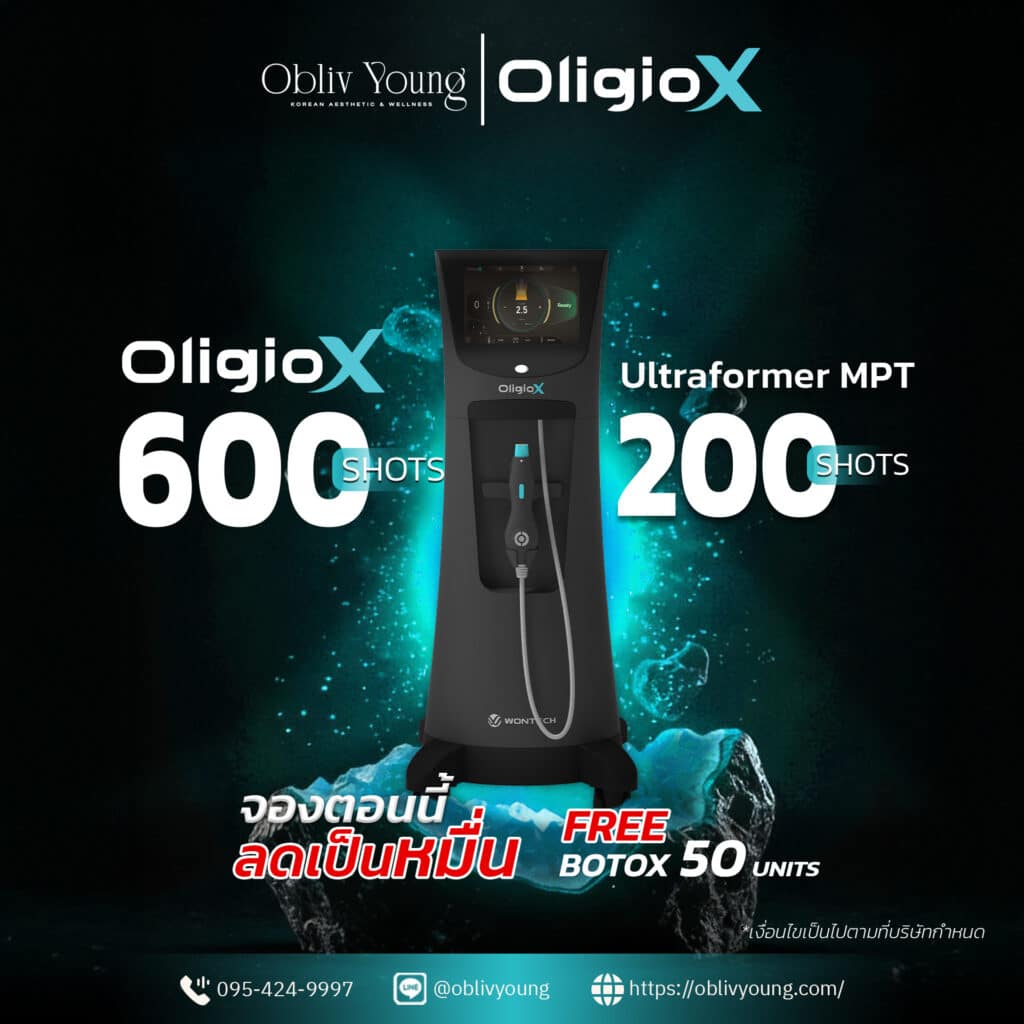
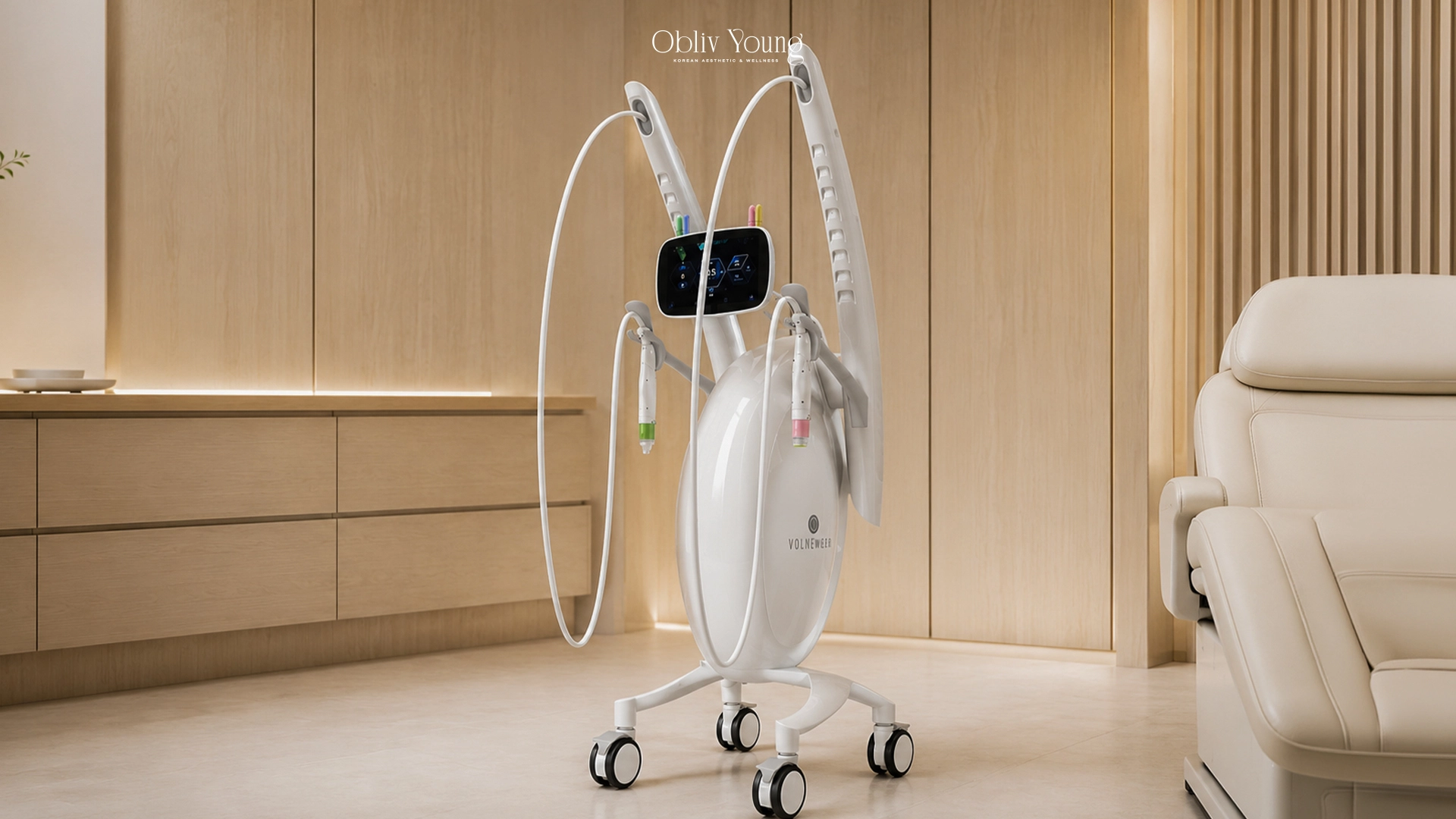
The natural face tightening options in this overview are filler, Oligio radiofrequency, Ultraformer MPT focused ultrasound, Volnewmer radiofrequency, thread lifting, and Botox. This list is an overview, not a ranking. Each option relates to a different concern, and a clinician cannot determine suitability from a device or treatment name alone.
Filler may address selected volume or facial-contour concerns. Radiofrequency and focused ultrasound are energy-based approaches. Threads provide support beneath the skin, while Botox changes activity in selected muscles. A consultation can clarify which, if any, matches the feature you want to discuss.
How do fillers and energy devices differ?
Filler adds volume in selected areas; a clinician may consider it when lost support or volume affects a contour. It does not address every type of laxity. A clinician needs to consider facial proportions and the area involved before discussing any injection.
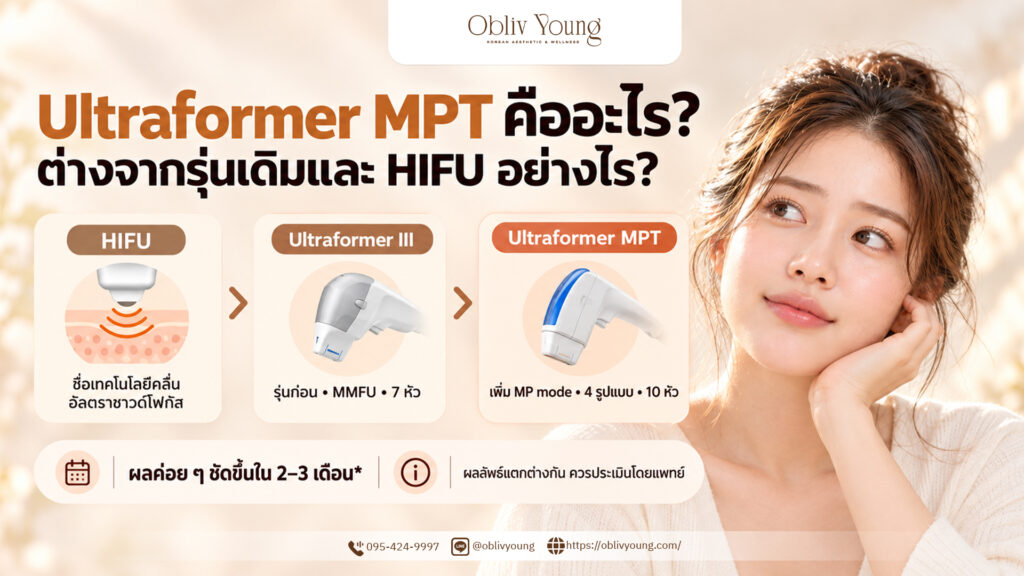
Oligio and Volnewmer use radiofrequency, while Ultraformer MPT uses focused ultrasound. This overview presents these as options for skin firmness or contour concerns. Their technologies and treatment targets differ; a device name alone cannot establish expected change, suitability, or the number of sessions. Ask what tissue the clinician intends to address and what limitations apply. These questions help make a natural face tightening discussion specific to your concern.
What do threads and Botox address?
Thread lifting uses dissolvable threads placed under the skin to support an area. This overview notes that some people may experience temporary swelling or tightness. Your clinician should explain the technique, recovery considerations, and possible complications before you decide.
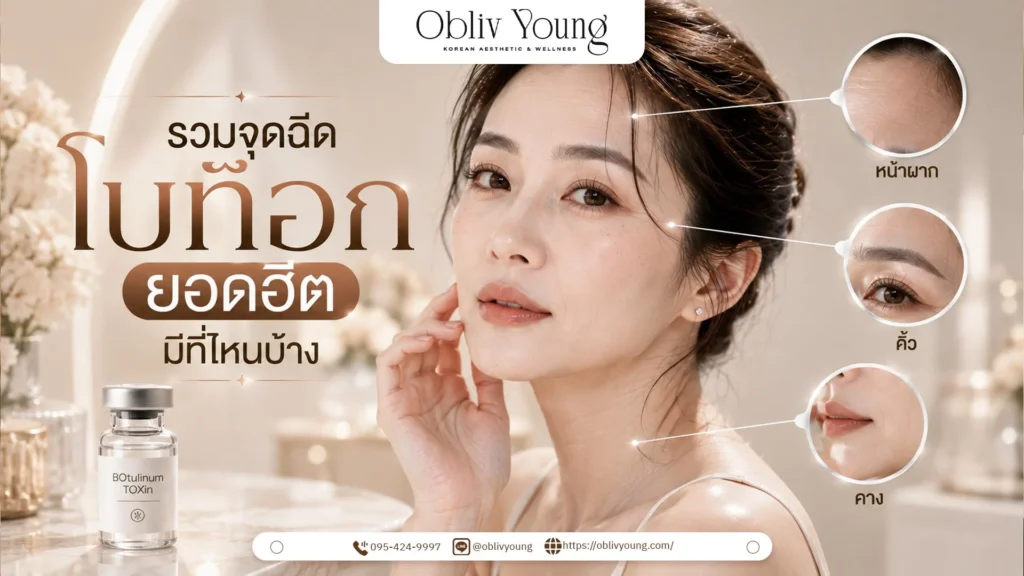
Botox reduces activity in selected muscles and may suit discussions about expression lines or certain contour concerns. It is not a substitute for addressing every cause of facial fullness or laxity. The product, placement, and amount require a qualified clinician’s assessment; do not select an injectable based only on a photo or social media post. A natural face tightening plan should reflect your features, not a trend.
How can an assessment help you choose?
Several approaches can address different concerns, so a trend or a photograph cannot identify what your face needs. At Obliv Young, you can discuss your main concern and ask a clinician to assess your features, skin, and goals before considering any option. For a broader overview, read an overview of popular aesthetic treatment categories.
Frequently asked questions
Can daily skin care tighten the face?
Daily skin care can support skin health, but it is different from a procedure and cannot address every cause of facial laxity. A clinician can help clarify your concern.
Are all six approaches suitable for everyone?
No. The options have different purposes. Suitability depends on your features, health context, goals, and an assessment by a qualified clinician.
Do radiofrequency and focused ultrasound work the same way?
No. They use different forms of energy. Ask a clinician which concern an option targets and what limitations apply.
Could a clinician consider more than one approach?
A clinician may consider some approaches together, but combining them is not automatically appropriate. A clinician should explain the rationale and sequence.
How should I choose where to start?
Describe the area and change that concern you, then ask for an assessment of possible causes and suitable options. You do not need to commit to a procedure during that discussion.
If you would like to understand your main concern, you can contact Obliv Young to ask questions and arrange an assessment.
This article was medically reviewed by
Mr. Park Young Jin
Education
Graduated with a Doctor of Medicine degree from Inha University College of Medicine, and completed an executive program at Seoul National University. Gained experience as a Public Doctor within the government sector before advancing into Aesthetic Medicine with leading Korean clinic groups, including Forever Plastic Surgery, Ppeum Clinic, and Y&I Clinic, serving as a physician and Senior Doctor
Specializes in
Specializes in Aesthetic Medicine, Facial Contouring, and Facelifting Techniques, serving as President of the Obliv Clinic Network (Incheon, Bangkok, Dubai). Also active in the academic community as Academy Director of the Korean Aesthetic Surgery & Laser Society and Senior Director of the Korean Academy of Facelifting and Contouring , as well as a Global KOL and Key Doctor for leading brands including Wontech, MERZ, Jetema, Amalian, and Gouri, covering Filler, Energy-Based Devices, and Skin Rejuvenation technologies internationally. Source: Aestheticsa