Which skin tightening devices and methods should you compare?

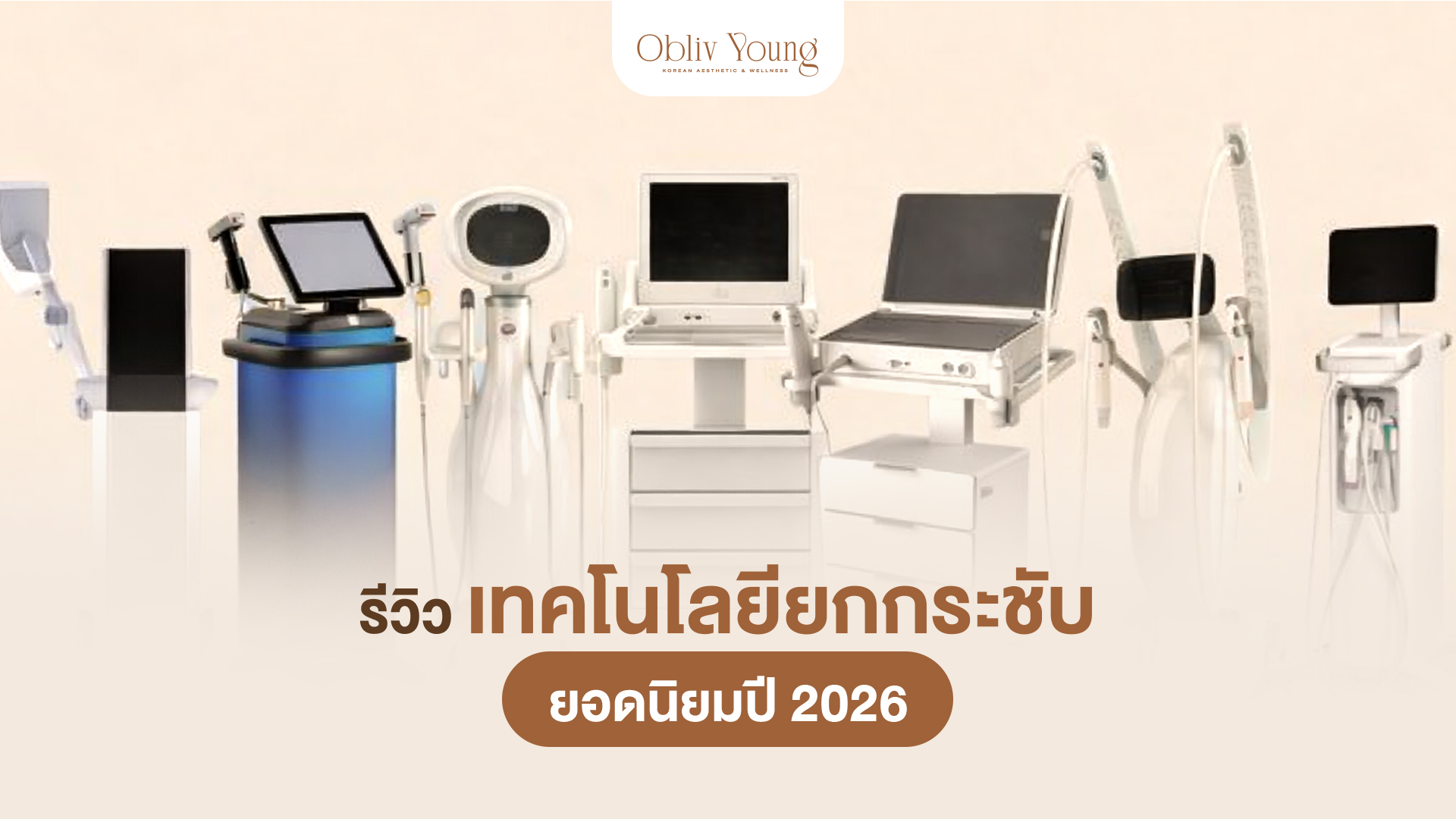
Short answer: Skin tightening devices are only part of the picture: options range from focused ultrasound and radiofrequency to injectables, threads and surgery.
Key Takeaways
- Skin tightening devices are only part of the picture: options range from focused ultrasound and radiofrequency to injectables, threads and surgery.
- skin tightening devices calls for attention to your concern and individual assessment.
- Ask about the exact approach, relevant limitations and what information supports the plan.
Read This Section
- What does skin tightening mean?
- How do the technologies differ?
- What are the ten options in this overview?
- How should you compare the ten approaches?
- Who may consider which option?
- Assessment and next steps
- Frequently asked questions
What does skin tightening mean?
Skin tightening describes approaches intended to address support or laxity; it does not mean pulling every face in the same way. The goal is to support skin structure while preserving natural features. In practice, the concern may involve skin, fat, muscle or deeper support. An assessment helps clarify what the clinician will assess.
This is a broad overview of ten different approaches, not a ranking. Some are energy-based skin tightening devices. Others are injectables, threads or surgery. Their mechanisms, recovery and suitability differ, so the best comparison begins with your concern rather than a popularity list.
How do the technologies differ?
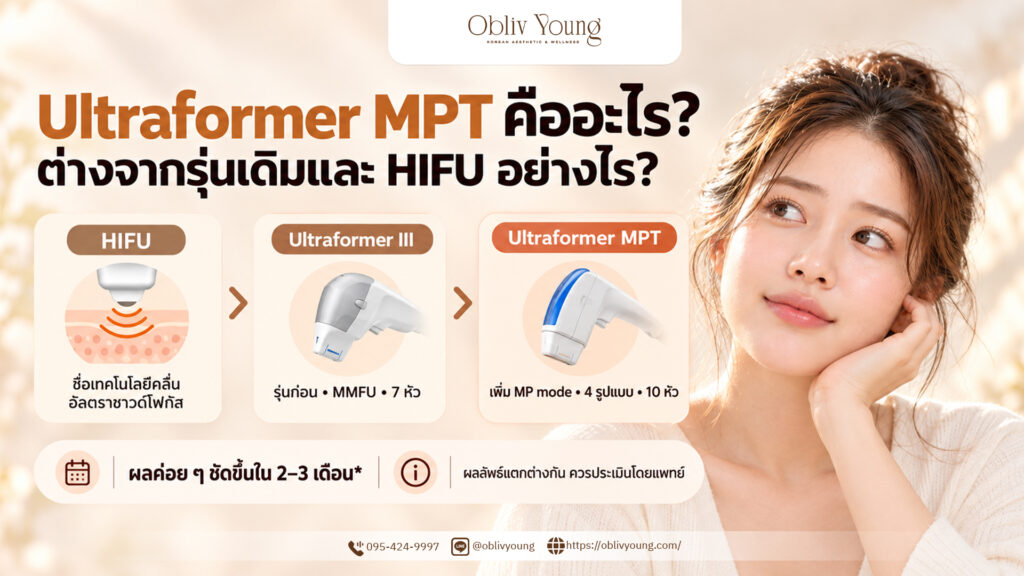
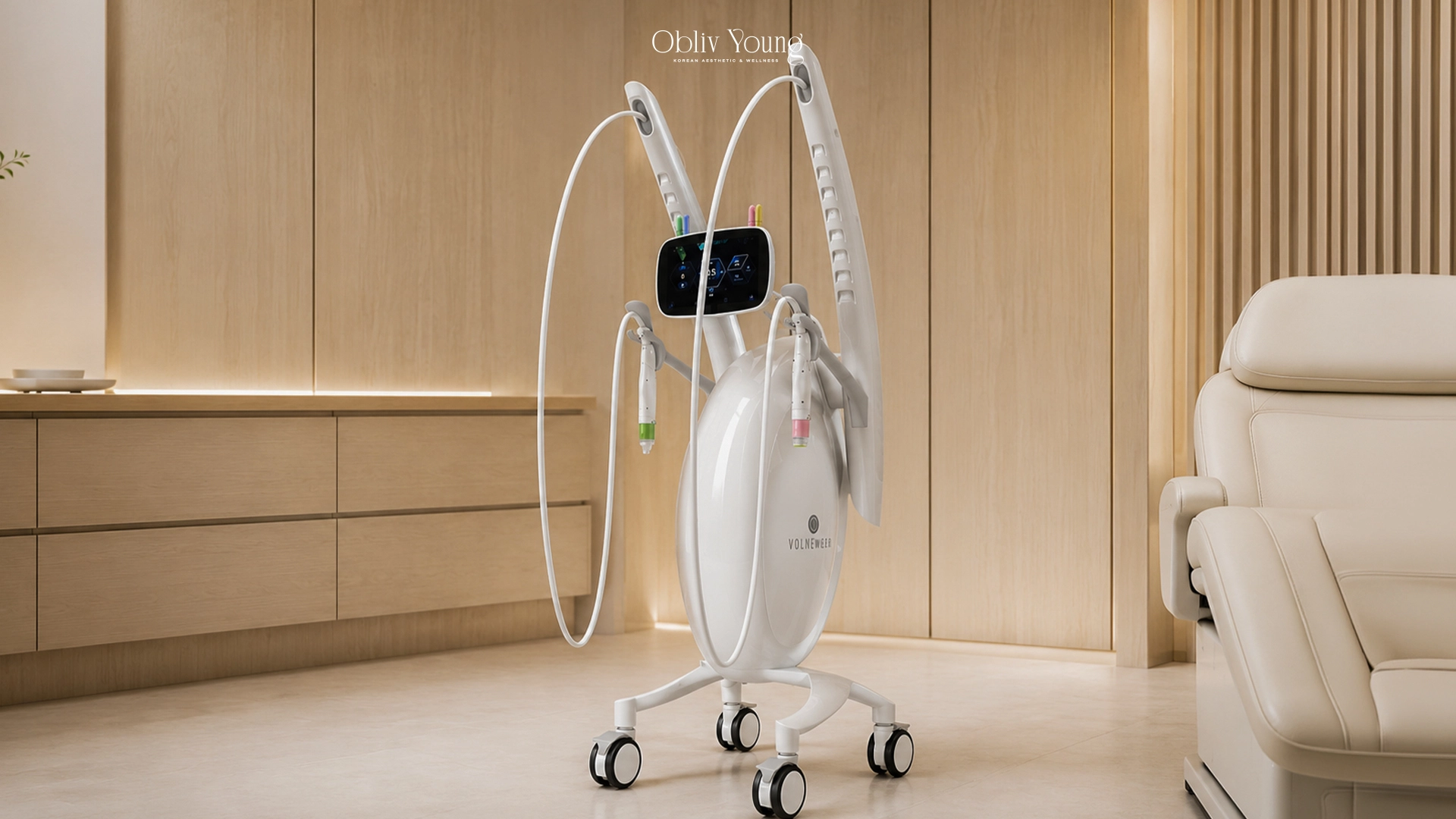
Energy-based approaches use different modalities and target depths. Focused ultrasound approaches such as Ultherapy Prime and HIFU/Ultraformer MPT are not identical to radiofrequency methods such as Thermage FLX or RF microneedling. The latter combines microneedles with RF energy, so its discussion can include texture concerns as well as firmness.
Device names do not promise the same plan or outcome. Ask which area and tissue are being targeted, why that method the clinician considers and what limitations apply. A clinician should explain how the approach relates to your skin and goal.
What are the ten options in this overview?
When comparing skin tightening devices, focus on your goal and the evidence for the specific option.
This overview includes these options: Ultherapy Prime, Thermage FLX, HIFU Ultraformer MPT, RF Microneedling Potenza, Sculptra, Radiesse, thread lifting, Botox for lifting, filler for structural support and facelift surgery. This list includes more than devices, so “skin tightening devices” is a useful search phrase but not a complete label for every option.
The approaches differ in how they are described. Some use energy, some involve injections or threads, and surgery addresses structure differently. Choose an option only after a clinician assesses your case. Use the list to identify questions, not as a treatment recommendation.
How should you compare the ten approaches?
Compare the intended concern, method, area, expected recovery and relevant limitations. Ask whether the proposal focuses on skin firmness, texture, support or a structural change. A non-surgical energy device, injectable treatment, thread and surgery should not be treated as interchangeable because each has a different procedure and consideration set.
Avoid selecting based on the strongest-sounding claim or a one-size-fits-all ranking. A clinician can explain what is realistic for your concern and whether another approach should be discussed. The American Academy of Dermatology’s cosmetic-treatment guidance provides general context for questions to raise.
Who may consider which option?
Suitability depends on the nature and degree of the concern; there is no universal age threshold or best method. Tell the clinician what you want to address and whether you prefer to avoid surgery or have limitations around recovery. They can explain the options that fit the assessment.
Ask how the recommendation accounts for your skin, medical history and desired degree of change. Clarify what alternatives exist and why an option may not fit. If you want to read more about the clinic’s lifting categories, visit the lifting and firming overview.
How can an assessment help?
Skin tightening devices deserves an individual discussion. Choosing between options is easier when the discussion starts with your concern, skin and relevant history. At Obliv Young, you can ask a clinician to assess those factors and explain which approaches may be worth discussing. An assessment does not promise a particular result; it helps clarify the options and their limitations.
Frequently asked questions
Are all skin tightening devices the same?
No. They can use different energy types, target different areas and have different planning considerations. Ask about the specific device and why it the clinician proposes.
Does the list rank the ten approaches?
No. It is a set of different categories, including devices, injectables, threads and surgery. It is not a universal ranking or recommendation.
How do I know which option suits me?
A clinician should assess your concern, skin, health history and preferences, then explain relevant options and limitations.
Is surgery comparable to a device treatment?
They are different approaches with different procedures and considerations. Discuss the degree of change sought, recovery and risks with a qualified clinician.
If you would like to understand your main concern, you can contact Obliv Young to ask questions and arrange an assessment.
This article was medically reviewed by
Mr. Park Young Jin
Education
Graduated with a Doctor of Medicine degree from Inha University College of Medicine, and completed an executive program at Seoul National University. Gained experience as a Public Doctor within the government sector before advancing into Aesthetic Medicine with leading Korean clinic groups, including Forever Plastic Surgery, Ppeum Clinic, and Y&I Clinic, serving as a physician and Senior Doctor
Specializes in
Specializes in Aesthetic Medicine, Facial Contouring, and Facelifting Techniques, serving as President of the Obliv Clinic Network (Incheon, Bangkok, Dubai). Also active in the academic community as Academy Director of the Korean Aesthetic Surgery & Laser Society and Senior Director of the Korean Academy of Facelifting and Contouring , as well as a Global KOL and Key Doctor for leading brands including Wontech, MERZ, Jetema, Amalian, and Gouri, covering Filler, Energy-Based Devices, and Skin Rejuvenation technologies internationally. Source: Aestheticsa