Sun exposure after treatment: what precautions should you take?

Short answer: Sun exposure after treatment depends on the procedure: everyday outdoor activity may be possible after some injections, while laser-treated skin may need more careful sun protection. Follow the clinician’s instructions for your treatment.
Key Takeaways
- Sun precautions vary with the procedure and how much it affects the skin.
- Botox and filler are not described as directly sun-sensitive, but intense heat and prolonged exposure may be uncomfortable early on.
- Laser, thread-lift, and HIFU aftercare should reflect the specific treatment and recovery advice.
- Regular sun protection and gentle skin care support recovery; no single timeline fits every procedure.
Read This Section
- What counts as an aesthetic procedure?
- How can sunlight affect treated skin?
- How should you care for skin after treatment?
- Can you go outside after Botox or filler?
- Why does laser treatment need more sun protection?
- What about thread lifts and HIFU?
- When should you ask for individual advice?
- Frequently asked questions
What counts as a treatment?
Aesthetic procedures include non-surgical or minimally invasive care such as Botox, fillers, skin boosters, lasers, thread lifts, and energy-based devices. They address different concerns and affect the skin and underlying tissue in different ways. Therefore, one aftercare rule cannot cover every procedure.
Before planning outdoor activities, check what was done and what instructions you received. Ask the clinician if you are unsure whether your treatment involved resurfacing, visible irritation, or another skin response that changes sun precautions.
How can sunlight affect treated skin?
After some procedures, skin may be more reactive while it recovers. Strong sun or heat may contribute to redness, irritation, or dark marks in susceptible skin. However, the risk is not identical for every treatment. A short routine trip outside is different from spending a long time in direct sun or heat.
For general background, see the NHS advice on sun safety. It is general guidance, not a procedure-specific aftercare plan.
Sun exposure after treatment: how should you care for skin?
Sun exposure after treatment calls for simple care and attention to the instructions you were given. Use a suitable sunscreen as directed, limit prolonged outdoor exposure when your clinician advises it, and avoid unnecessary rubbing or irritating products while the skin feels sensitive. Gentle care matters more than adding several new products at once.
The procedure guidance describes the first 1–2 weeks as a repair period for many treatments, but that is not a universal rule. Your recovery depends on the procedure and your clinician’s advice. Do not treat this broad window as permission to resume activities that your clinic asked you to avoid.
Sun exposure after treatment with Botox or filler
For Botox, ordinary daylight is not said to directly break down the medicine. The main caution in the general guidance is intense heat, such as a sauna, steam room, or high-heat treatment, during the first 24–48 hours. Normal errands differ from prolonged heat exposure.
Filler is also not described as directly sensitive to sunlight. Still, the injection area may be mildly inflamed at first. Avoid prolonged direct sun and very hot environments during the first 48 hours if advised, because heat may make swelling or tenderness feel worse. Continue sensible UV protection afterward.
Sun exposure after treatment: why does laser need care?
Some lasers target pigment or cause controlled skin injury. The skin may then be more sensitive during recovery. Strong ultraviolet exposure can contribute to post-inflammatory dark marks or prolonged redness. This is especially important after resurfacing or treatments that leave the skin visibly irritated.
The procedure guidance says clinicians may advise avoiding strong sun for at least 1–2 weeks after some fractional or CO2 laser treatments, alongside daily sunscreen. The correct interval depends on the laser and your skin response, so use the instructions for your specific session.
Sun exposure after treatment: what about thread lifts and HIFU?
After a thread lift, the treated area may feel swollen, tight, or sore. The procedure guidance recommends avoiding strong sun and accumulated heat early on, including sauna, steam, and strenuous exercise. Ordinary travel outside may be possible, but avoid extended outdoor activity while recovering.
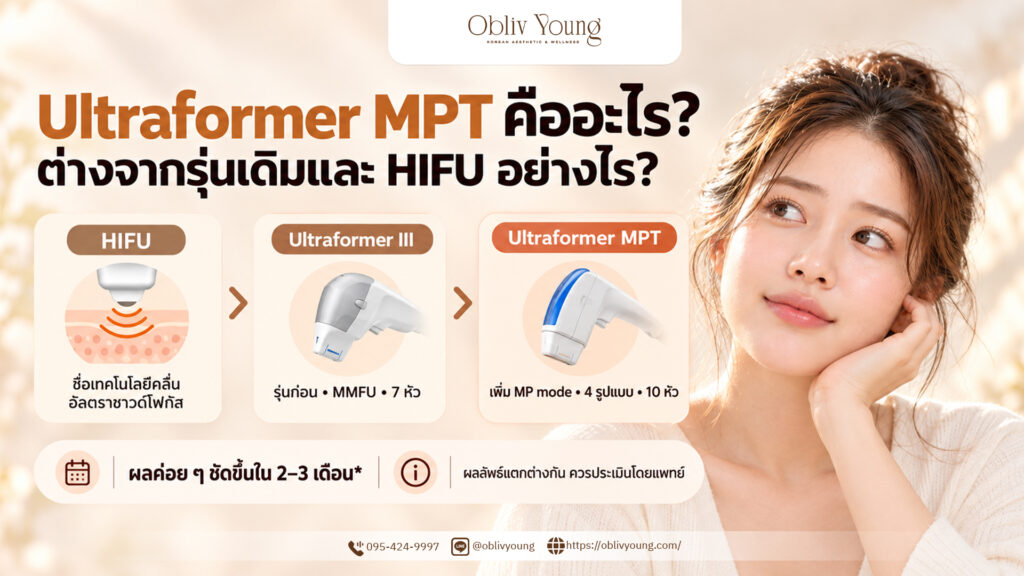
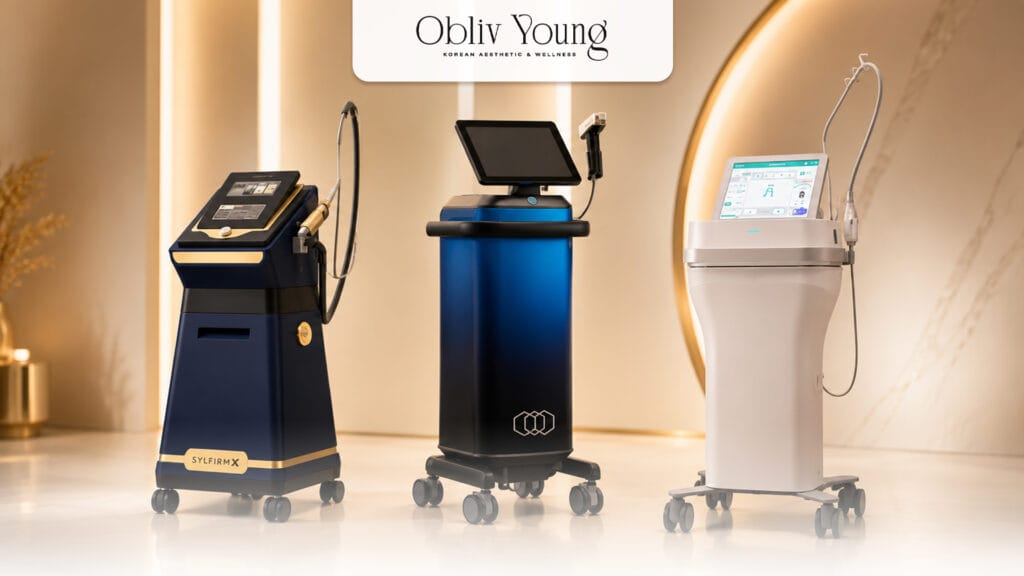
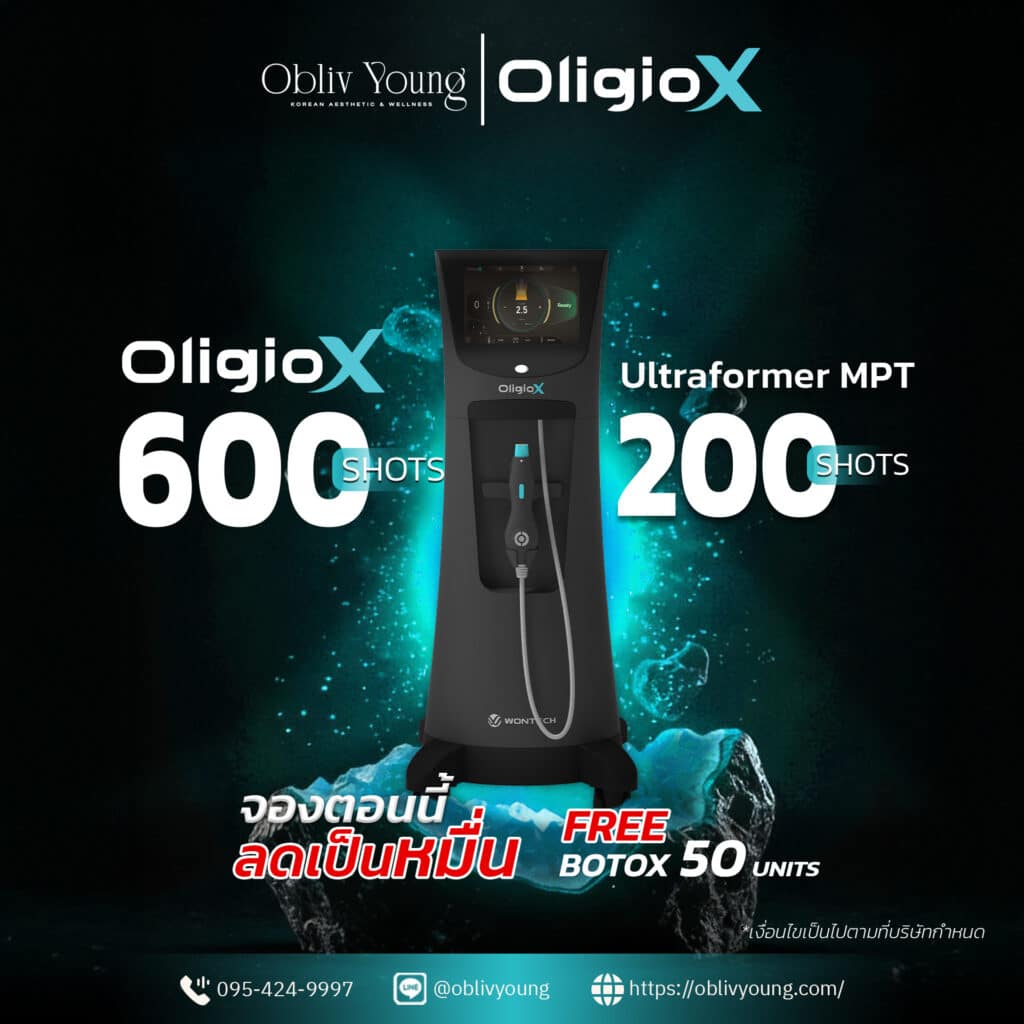
HIFU and Ultraformer do not necessarily peel the surface, yet the guidance recommends avoiding strong sun during the first 1–2 weeks and using sunscreen. If your skin becomes dry or irritated, ask the treating clinician before changing your routine.
Can recommendations differ by device?
Yes. Device settings, treatment intensity, and skin response matter. Do not transfer laser aftercare to an injection or assume that two devices have identical restrictions. Keep the written instructions from your visit and ask the clinic to clarify anything that conflicts with this general overview.
When should you ask for individual advice?
If you are unsure whether an activity is appropriate, contact the clinician who knows the procedure and your skin response. Sun exposure after treatment should reflect the specific procedure. For more background on the relationship between sun exposure and pigmentation, see our guide to sun-related pigmentation. An assessment can clarify aftercare; it does not mean another procedure is needed.
Frequently asked questions
Can you go outside after Botox?
Normal outdoor activity is generally possible, but avoid prolonged exposure and intense heat early on. Follow the treating clinician’s instructions.
How long should you avoid strong sun after laser?
The procedure guidance says some resurfacing or skin-injuring lasers may require avoiding strong sun for at least 1–2 weeks. Your clinician’s advice for the specific laser takes priority.
Should sunscreen be used indoors?
The guidance recommends regular sun protection. Choose a product suitable for your skin and follow its label.
What helps protect skin outdoors?
Use suitable sun protection, a hat or umbrella, and limit prolonged time in strong sun while skin is recovering.
If you would like to understand your main concern, you can contact Obliv Young to ask questions and arrange an assessment.
This article was medically reviewed by
Mr. Park Young Jin
Education
Graduated with a Doctor of Medicine degree from Inha University College of Medicine, and completed an executive program at Seoul National University. Gained experience as a Public Doctor within the government sector before advancing into Aesthetic Medicine with leading Korean clinic groups, including Forever Plastic Surgery, Ppeum Clinic, and Y&I Clinic, serving as a physician and Senior Doctor
Specializes in
Specializes in Aesthetic Medicine, Facial Contouring, and Facelifting Techniques, serving as President of the Obliv Clinic Network (Incheon, Bangkok, Dubai). Also active in the academic community as Academy Director of the Korean Aesthetic Surgery & Laser Society and Senior Director of the Korean Academy of Facelifting and Contouring , as well as a Global KOL and Key Doctor for leading brands including Wontech, MERZ, Jetema, Amalian, and Gouri, covering Filler, Energy-Based Devices, and Skin Rejuvenation technologies internationally. Source: Aestheticsa