Thread lift guide: what is it and who may consider it?

Short answer: A thread lift guide explains how dissolvable threads may support sagging facial tissue, what a consultation considers, and how options differ.
Key Takeaways
- A thread lift uses dissolvable threads with small barbs to reposition soft tissue along a planned direction.
- Fit depends on skin and tissue, the area of concern, health circumstances, and a doctor’s assessment.
- Thread materials differ, but no single type or treatment suits everyone.
- Swelling, redness, bruising, dimpling, thread movement, or infection may be concerns to discuss.
Read This Section
- What does a thread lift do?
- Who may consider a thread lift?
- How do PDO, PLLA, and PCL threads differ?
- What happens during a thread lift?
- What downsides and warning signs should you discuss?
- How does a thread lift compare with other options?
- How can a doctor assess your options?
- Frequently asked questions
Thread lift guide: what does a thread lift do?
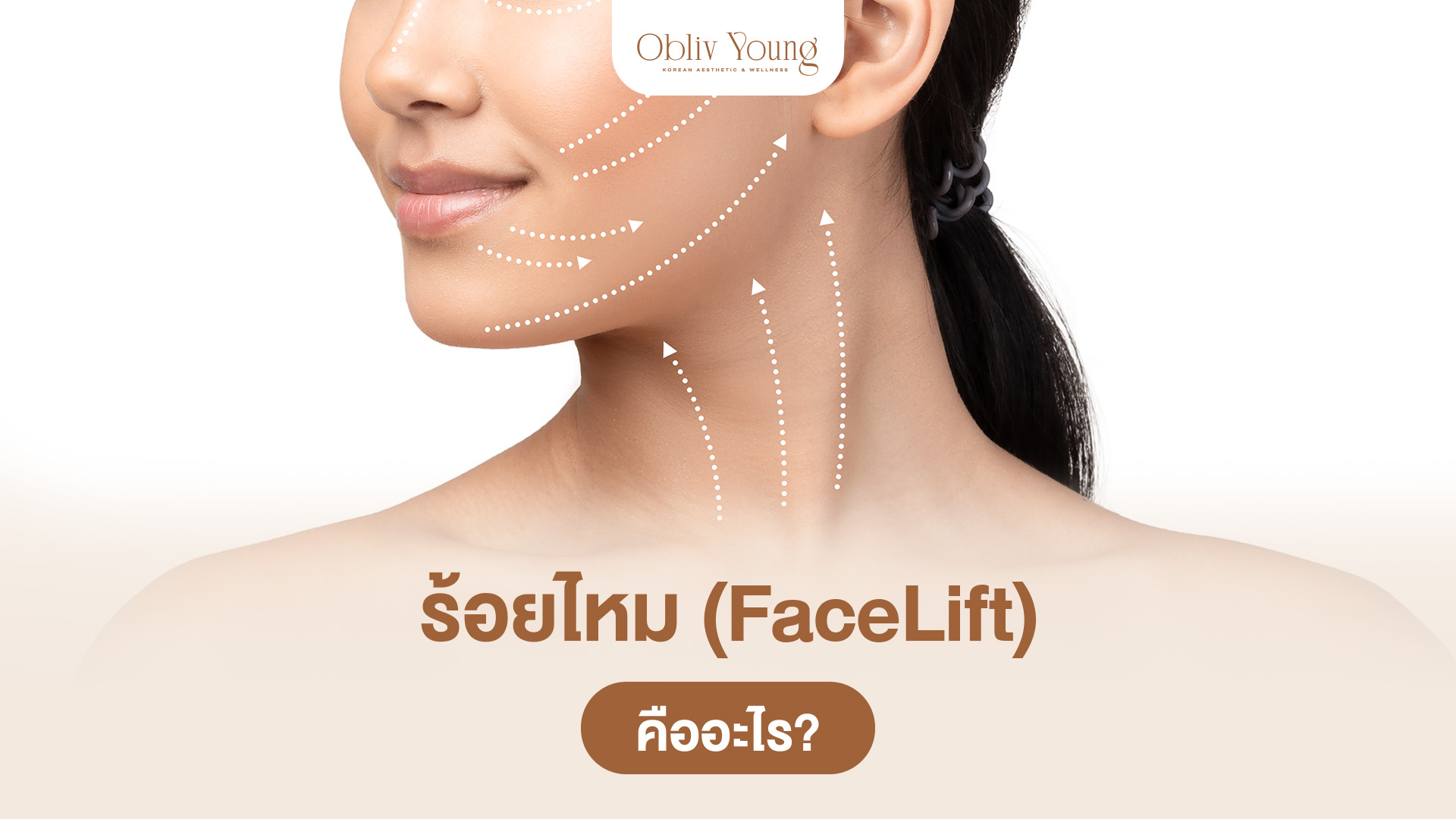
A thread lift places dissolvable threads beneath the skin to support soft tissue in a planned direction. Barbs on some threads catch tissue, while the doctor selects placement according to the area and facial structure. It is not the same as removing skin through surgery. When considering a thread lift guide, compare this temporary support with other approaches.
People with concerns such as mild sagging, a less defined jawline, or lowered cheeks may ask about the procedure. However, a description of a concern does not establish that a thread lift is appropriate. Skin quality, tissue thickness, the area involved, and your health all matter.
Some threads may also prompt collagen and elastin activity around the placement area over time. Individual responses differ; do not treat this description as a promised improvement or a fixed timeline. A clinician can explain the concern the procedure aims to address in your case.
Thread lift guide: who may consider it?
Someone concerned about facial laxity who prefers to discuss a non-surgical option may ask about a thread lift. Concerns can include a less defined facial outline or sagging in the cheek area. A doctor needs to assess whether the concern matches what the procedure can address.
Certain circumstances call for caution: active skin infection, a bleeding tendency, pregnancy or breastfeeding, or serious underlying illness without prior medical consultation. Tell the clinician about relevant health conditions and medicines, and ask whether postponement or another approach is more appropriate.
Age or one facial feature alone cannot determine suitability. Instead, explain what change you hope to see and what trade-offs you would accept. The clinician can discuss alternatives and limits before you make a decision. A thread lift guide should help you prepare questions, not choose for you.
Thread lift guide: how do PDO, PLLA, and PCL differ?
The three materials differ in flexibility and approximate persistence: PDO around 4–8 months, PLLA 8–12 months, and PCL 12–18 months. These ranges do not predict a personal result or visible lift for that entire period.
PDO offers flexibility and may suit discussion of mild sagging. PLLA feels firmer and less flexible than PDO, while PCL offers more flexibility. Costs vary, so ask the clinic for current details.
The material alone does not decide the plan. A thread lift guide can help frame questions about material, tissue, and placement. Skin condition, tissue density, treatment area, thread design, and placement technique also matter. Ask which material the doctor recommends, why it fits your concern, and what limits or complications matter.
What happens during a thread lift?
Before treatment, the clinician reviews your concern and plans the direction of placement. The clinician cleans the skin, uses local anaesthetic, and inserts dissolvable threads along the planned route. The procedure takes about 45–60 minutes in the provided description; actual timing can vary.
Do not assume that the procedure will feel identical for everyone. A person may still feel pulling or tightness during placement despite local anaesthetic. Ask the clinician what sensations you may notice and how to raise a concern during treatment.
Afterward, the area may look different at first and can continue to change as it settles. The area may continue to change over 2–4 weeks, though timing varies. Follow the specific aftercare instructions you receive rather than applying a general timetable to your case.
What downsides and warning signs should you discuss?
Swelling, redness, or bruising may occur after a thread lift. These short-term effects may occur; dimpling, a visible or displaced thread, and infection are other possible concerns. The likelihood and course vary from person to person.
Increasing pain, persistent swelling or redness, or pus are reasons to contact a doctor promptly, and contact a doctor promptly. Ask before treatment whom to contact if symptoms change, and what follow-up is planned. Do not wait for an expected recovery window if the clinician has told you to seek care sooner.
Technique and individual tissue characteristics can affect the result. Discuss what happens if the result feels uneven or the thread seems to move. A balanced consultation should cover limitations and next steps, not only the intended lift.
How does a thread lift compare with other options?
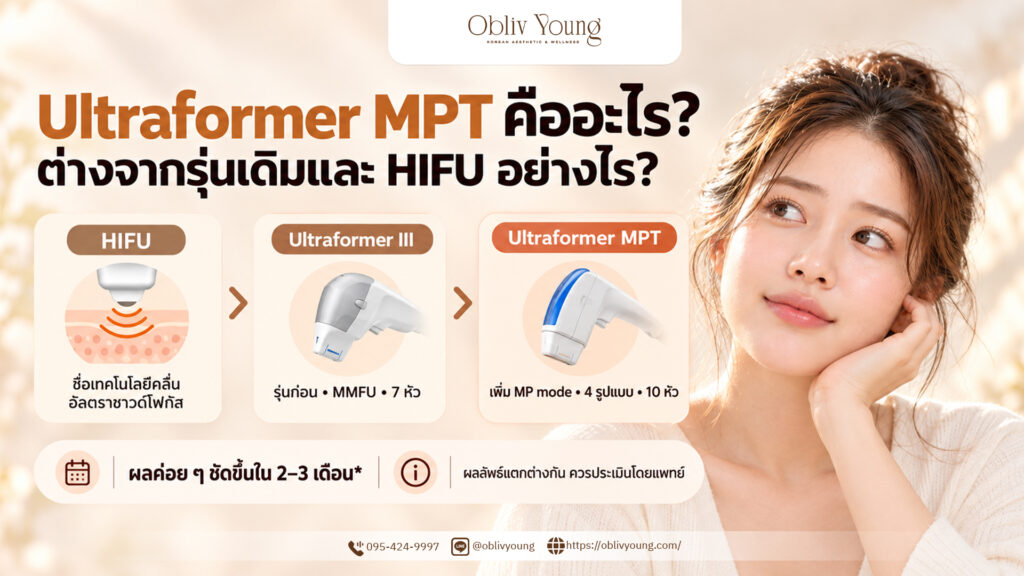
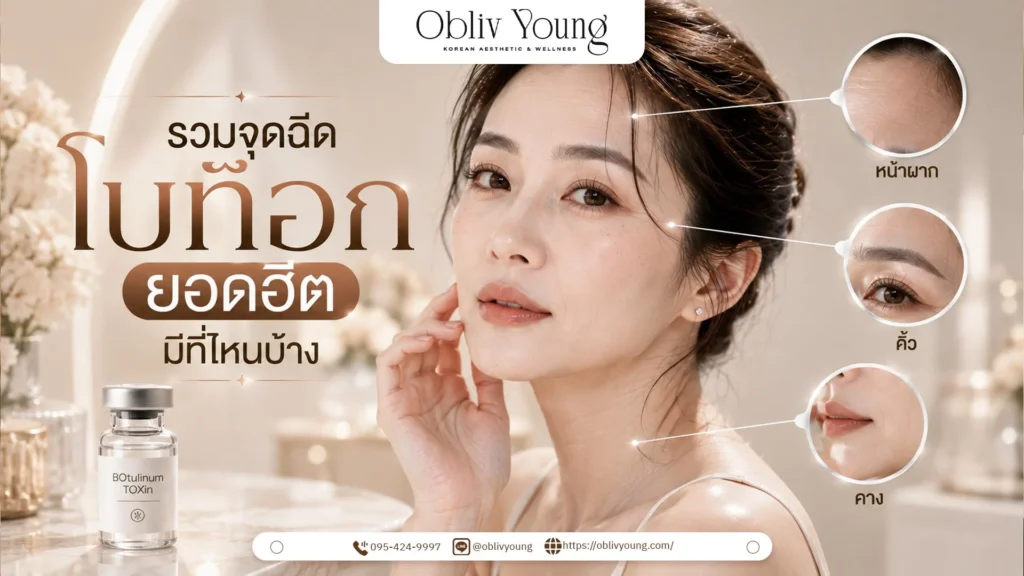
Different procedures address different concerns. Filler may add volume to deeper lines rather than lift lax tissue. Botox may address dynamic lines or a broad jaw, not skin sagging. Energy-based options such as HIFU may suit people who prefer not to have needles, with a different expected effect.
These are broad distinctions, not a ranking or a recommendation for you. A person may have more than one concern, and some treatments may not be suitable together. Ask what each option can and cannot address, what recovery involves, and why the clinician proposes one approach over another. This thread lift guide is a starting point for that discussion.
Aftercare also matters. Avoid facial massage, pressure, and heat activities such as sauna or steam for the first 14 days; gentle skincare and sunscreen are also advised. Follow the instructions from your treating clinician, since they can account for the exact procedure performed.
How can a doctor assess your options?
A less defined jawline or cheek sagging can have different causes and degrees. Rather than choosing a procedure from one feature, ask a doctor to assess your skin, tissue, health history, and goals together. The assessment can clarify whether a thread lift, another option, or no procedure is appropriate. You can also ask about the type of thread, expected limits, aftercare, and warning signs before deciding.
For related reading, see aesthetic treatment options. For additional context, read clinical discussion of thread types and procedural considerations.
Frequently asked questions
How long may a thread lift last?
The typical duration is about 6–12 months, depending on thread type and aftercare. This is not a personal prediction; ask the doctor what range is relevant to the proposed thread and your circumstances.
Does a thread lift hurt?
Clinicians use local anaesthetic, though you may still feel pulling or tightness. Ask the clinician what to expect and how they will manage discomfort during your procedure.
How many threads might be used?
The number depends on facial structure and the concern being treated. The number varies; ask your doctor to explain the planned amount and why it fits your case. Your doctor should explain the planned number and why it is appropriate.
How much does a thread lift cost?
Cost depends on the thread type and number used. Prices vary by clinic and technique, so ask the clinic directly for current details after discussing the proposed plan.
This thread lift guide can help you prepare questions; individual assessment still matters.
If you would like to understand your main concern, you can contact Obliv Young to ask questions and arrange an assessment.
This article was medically reviewed by
Mr. Park Young Jin
Education
Graduated with a Doctor of Medicine degree from Inha University College of Medicine, and completed an executive program at Seoul National University. Gained experience as a Public Doctor within the government sector before advancing into Aesthetic Medicine with leading Korean clinic groups, including Forever Plastic Surgery, Ppeum Clinic, and Y&I Clinic, serving as a physician and Senior Doctor
Specializes in
Specializes in Aesthetic Medicine, Facial Contouring, and Facelifting Techniques, serving as President of the Obliv Clinic Network (Incheon, Bangkok, Dubai). Also active in the academic community as Academy Director of the Korean Aesthetic Surgery & Laser Society and Senior Director of the Korean Academy of Facelifting and Contouring , as well as a Global KOL and Key Doctor for leading brands including Wontech, MERZ, Jetema, Amalian, and Gouri, covering Filler, Energy-Based Devices, and Skin Rejuvenation technologies internationally. Source: Aestheticsa