Thread lift review: what should you know?

Short answer: Thread lift review depends on the procedure, the concern, and a clinician’s assessment. Use the guidance below to plan questions, not to assume a result or fixed recovery date.
Key Takeaways
- Thread materials and techniques differ; no single option suits everyone.
- Recovery and duration estimates are not promise.
- Ask about product registration, risks, alternatives, and follow-up.
Read This Section
- What does a thread lift involve?
- Which thread materials should you compare?
- How do techniques and facial assessment matter?
- Who might discuss a thread lift?
- What results and recovery should you discuss?
- Which risks and side effects should you understand?
- What should you ask before deciding?
- Questions for an assessment
- Frequently asked questions
What does a thread lift involve?
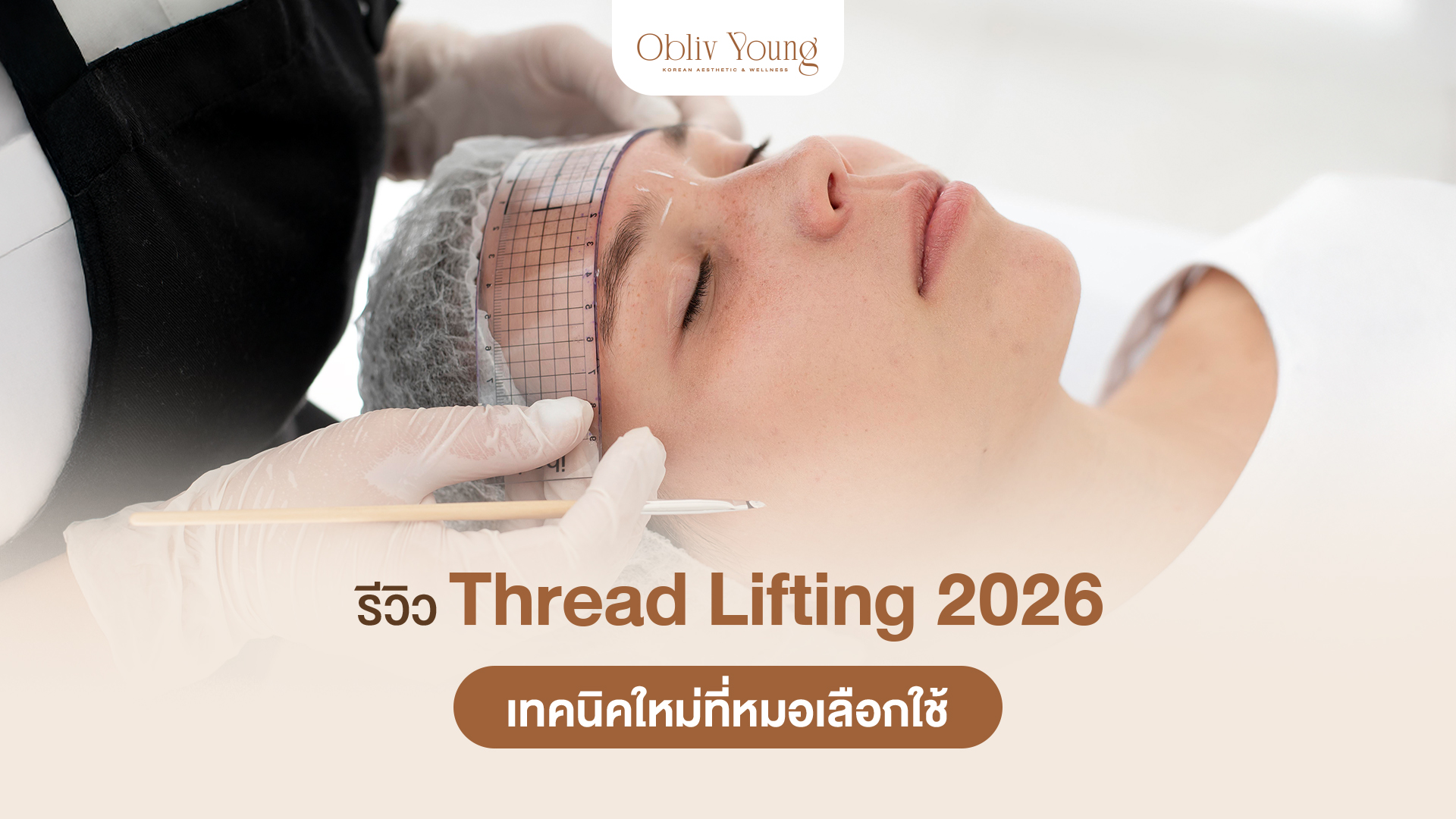
A thread lift uses dissolvable threads beneath the skin to support and lift tissue. Some people notice an immediate lift, followed by gradual changes as collagen forms around the threads.
The guidance gives about 20 to 30 percent as an immediate effect, with changes developing over 2 to 4 weeks and a fuller result around 2 to 3 months. These reported timings are not predictions. Local anesthetic may be used, and recovery differs by person.
Which thread materials should you compare?
The guidance discusses PDO, PLLA, and PCL. PDO has a long history of use; the thread dissolves in about 6 to 8 months, while reported results may last around 1 year or longer in some people.
PLLA threads dissolve in about 12 months; collagen-related effects may last around 18 to 24 months. PCL threads may last about 12 to 18 months, with overall effects up to 2 to 3 years in some people. These are guidance-reported ranges, not promise.
How do techniques and facial assessment matter?
Rather than using one standard thread position for everyone, the guidance describes assessing facial structure and the type of laxity. A clinician may consider thread material, tissue depth, and lifting direction.
The guidance also describes combining more than one thread type in some plans. Such an approach is not automatically suitable. Ask why the proposed plan matches your anatomy and what alternatives could address the same concern.
Who might discuss a thread lift?
The guidance describes mild to moderate laxity, such as an emerging less-defined jawline, cheek descent, or a small change in the folds beside the mouth. It frames the option for people seeking some immediate lift without surgery or a long recovery.
More marked laxity may call for discussion of other options. The guidance mentions energy-based ultrasound or radiofrequency devices as possible considerations. A clinician should explain whether these options are appropriate, rather than assuming threads are the best fit.
What results and recovery should you discuss?
The guidance describes swelling or tightness during the first 1 to 2 weeks, with changes becoming clearer over 2 to 3 months. It gives average duration estimates of about 1 year for PDO, 1.5 to 2 years for PLLA, and up to 2 to 3 years for PCL in some cases.
Age, skin, thread type, and self-care may affect duration. Ask how the clinician defines the expected result, what follow-up is planned, and which changes require contacting the clinic. No material promise a particular duration.
Which risks and side effects should you understand?
The guidance lists swelling, redness, bruising, and tightness among common effects, often improving over several weeks. It also mentions more serious concerns such as thread visibility, uneven skin, or infection.
Technique and product quality can matter, but no procedure is risk-free. Ask who performs the procedure, what material is used, how it is registered locally, and what steps the clinic takes if a complication occurs. Seek an assessment before deciding.
How should you assess the information?
Use this guide to prepare informed questions, not as a substitute for an assessment. Thread material, vector, placement, and tissue characteristics may influence a plan. These factors can help you prepare practical questions. Clinicians should individualize treatment rather than rely on thread count alone.
Published literature can add context, but it may not represent every product or technique currently offered. Ask for the specific product name, its local registration status, and evidence relevant to the proposed use. Decide only after you understand the limits and alternatives.
Start with your main concern, health context, and available time. A clinician can assess whether any option is appropriate and explain alternatives before you decide. For broader context, see our aesthetic treatment options.
For additional general information, consult PubMed literature on thread lifting.
Frequently asked questions
How long can thread lift results last?
The guidance gives approximate averages that vary by material and notes that individual factors affect duration. It does not establish a promise timeframe.
What is the difference between PDO, PLLA, and PCL?
The guidance describes different dissolution and collagen-related timelines for these materials. Ask the clinician about the exact product and evidence for its intended use.
Is swelling after a thread lift expected?
The guidance lists swelling, redness, bruising, or tightness among effects that may occur and can improve over weeks. Contact the treating clinician about severe or concerning symptoms.
How can you prepare questions?
Use these points to ask about product, technique, recovery, risks, and alternatives. An individualized clinical assessment is still needed.
If you would like to understand your main concern, you can contact Obliv Young to ask questions and arrange an assessment.
This article was medically reviewed by
Mr. Park Young Jin
Education
Graduated with a Doctor of Medicine degree from Inha University College of Medicine, and completed an executive program at Seoul National University. Gained experience as a Public Doctor within the government sector before advancing into Aesthetic Medicine with leading Korean clinic groups, including Forever Plastic Surgery, Ppeum Clinic, and Y&I Clinic, serving as a physician and Senior Doctor
Specializes in
Specializes in Aesthetic Medicine, Facial Contouring, and Facelifting Techniques, serving as President of the Obliv Clinic Network (Incheon, Bangkok, Dubai). Also active in the academic community as Academy Director of the Korean Aesthetic Surgery & Laser Society and Senior Director of the Korean Academy of Facelifting and Contouring , as well as a Global KOL and Key Doctor for leading brands including Wontech, MERZ, Jetema, Amalian, and Gouri, covering Filler, Energy-Based Devices, and Skin Rejuvenation technologies internationally. Source: Aestheticsa