What is Vitaran treatment and what skin concerns may it address?

Short answer: Vitaran treatment is best considered in relation to your concern, timing and individual assessment. The right approach depends on what you hope to address.
Key Takeaways
- Vitaran treatment is not a one-size-fits-all answer; an assessment helps match the concern to an option.
- this overview distinguishes possible goals from not assuredd outcomes.
- Timing, recovery and individual response should shape decisions.
- Ask a qualified clinician about alternatives, limits and follow-up.
Read This Section
- What is Vitaran treatment?
- Which skin goals does the guidance discuss?
- Who may consider Vitaran?
- What happens during and after an injection?
- When may changes become noticeable and how long may they last?
- How does Vitaran compare with Rejuran?
- How can Obliv Young help?
- Frequently asked questions
What is Vitaran treatment?
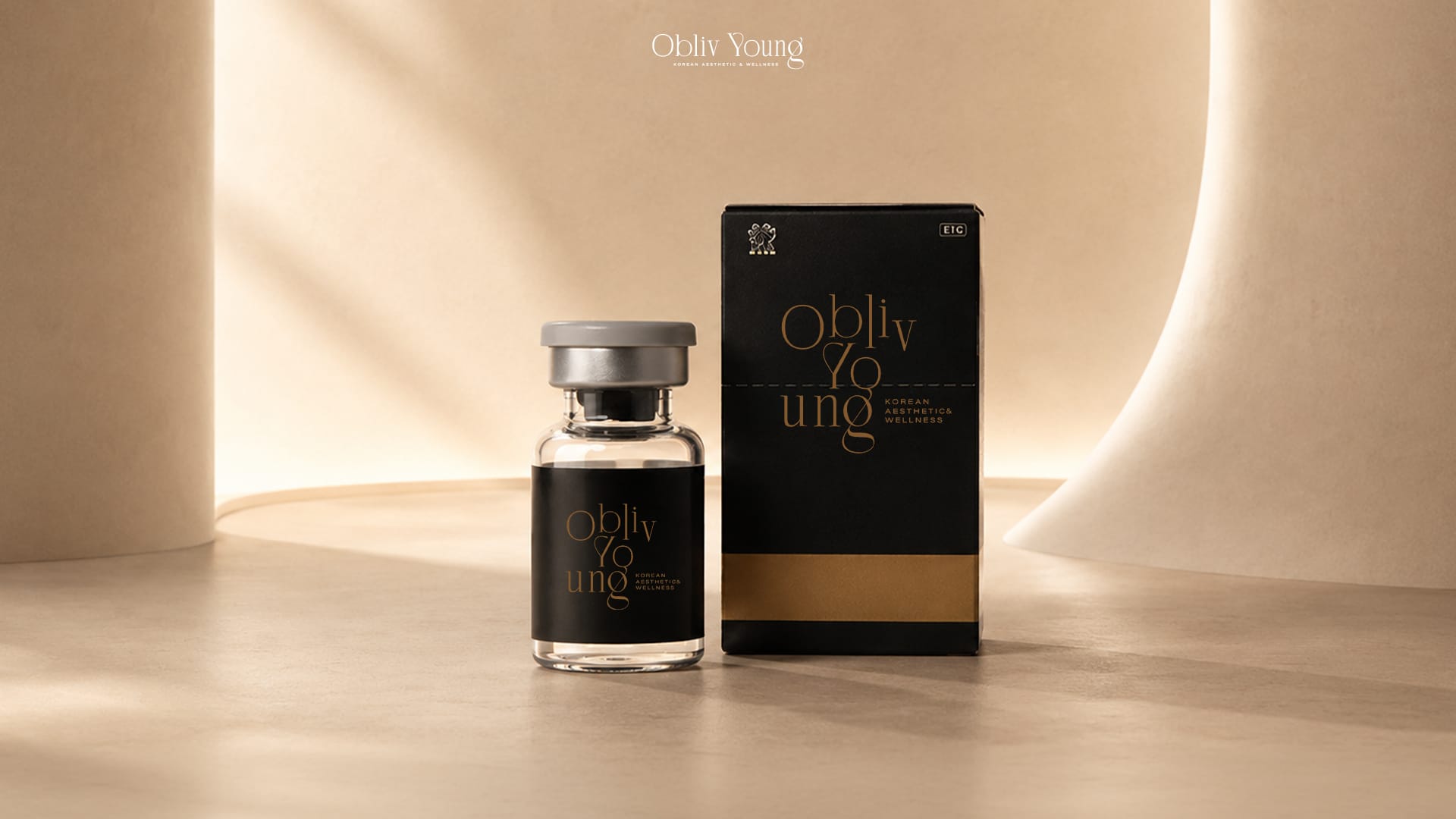
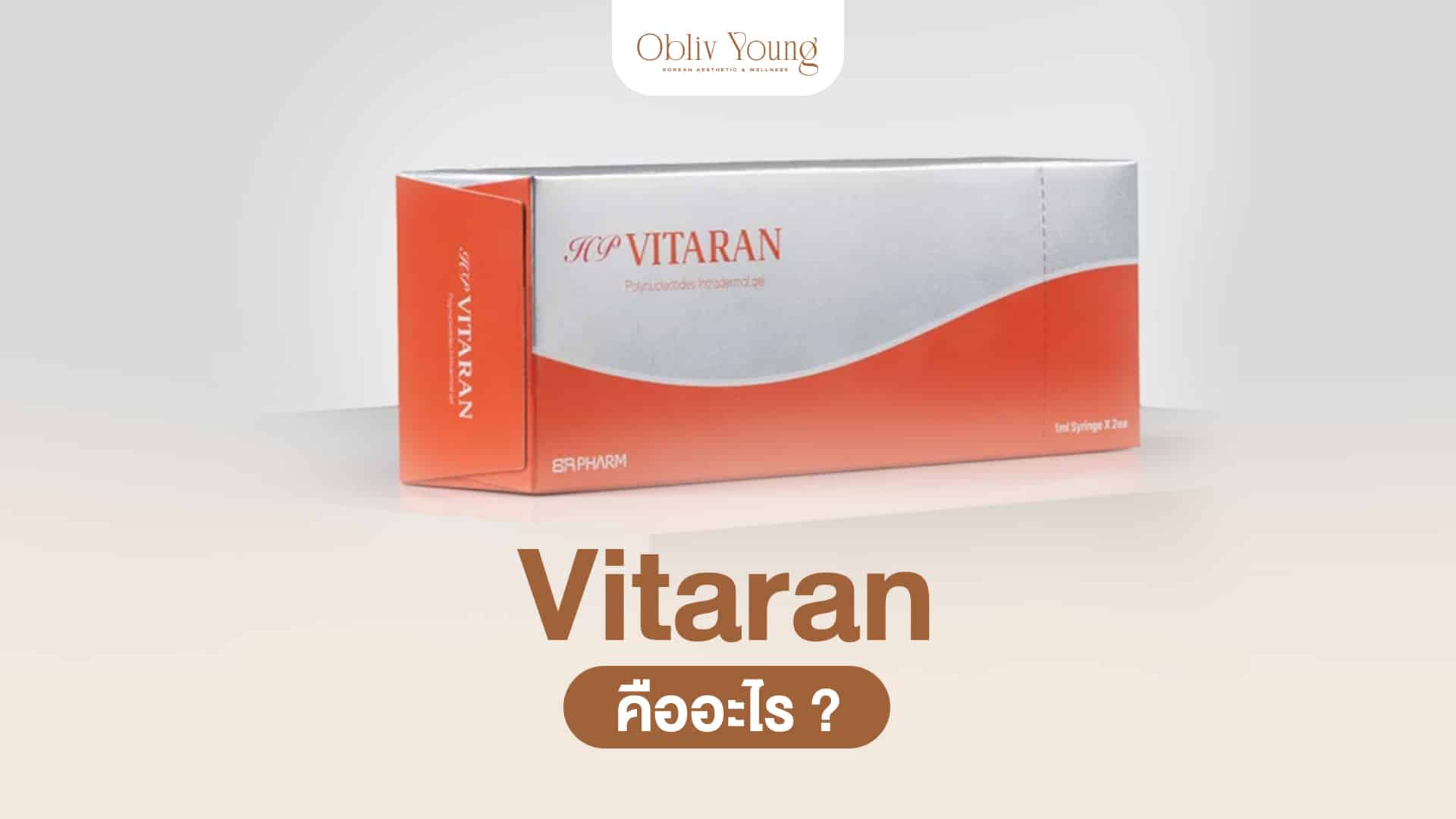
Clinicians classify Vitaran as an injectable skin booster in the polynucleotide (PN) group. the guidance identifies PN as derived from salmon or trout DNA. It describes a proposed skin-care role rather than a filler-like change in facial shape. Discuss product details, suitability and expected effects with a doctor; this overview does not establish an outcome for an individual.
The the guidance describes PN in relation to fibroblast activity, skin structure and moisture retention. Those mechanisms are claims in the guidance, not assured of repair or a medical treatment for a disease. Ask the clinician to explain what they know about the specific product and the goal you are considering.
Which skin goals does the guidance discuss?
this overview lists five intended areas: skin texture and structure, firmness and elasticity, post-acne marks and redness, hydration, and skin care after a laser or another procedure. It frames these as possible goals, not assured benefits. A clinician should first determine whether the concern matches the product and whether another approach is more appropriate.
For hydration, the guidance describes skin that feels dry or looks dull as a possible reason people consider Vitaran. It also discusses a more plump or dewy appearance. These descriptions do not mean every person will see the same change or prove that the injection treats acne or inflammation.
Vitaran treatment: Who may consider Vitaran?
the guidance describes people concerned about dry-looking skin, visible pores, post-acne marks or skin that seems less resilient after repeated procedures. It contrasts skin-quality goals with changing facial shape. These examples can help you prepare questions, but they do not establish suitability. A doctor needs to assess your skin, medical history, goals and other treatments.
the guidance also discusses skin that looks less fresh despite routine care. If your concern is an active skin condition, persistent redness or a reaction after a procedure, seek assessment rather than assuming a booster is the right answer.
What happens during and after an injection?
the guidance says clinicians use a small needle and may apply topical numbing. It notes that small red marks or injection points may appear afterward and says they may resolve within 1–2 days. These are the guidance expectations, not assured. Ask the treating clinician about preparation, aftercare and which changes should prompt follow-up.
The the guidance characterizes discomfort as tolerable, but experiences differ. Do not infer that an injection is painless or risk-free. If you have a history of allergies, prior reactions or other relevant health concerns, share that information before deciding.
When may changes become noticeable and how long may they last?
the guidance places early hydration changes at 3–7 days and more noticeable changes at 2–4 weeks. It says results may last about 6–12 months when treatment follows a plan, depending on skin and self-care. These durations are the guidance’s reported estimates, not a personal forecast or treatment schedule.
Ask how the clinician will assess your response and whether repeat treatment is being proposed. the guidance does not justify assuming that everyone needs the same number of sessions, interval or maintenance plan.
How does Vitaran compare with Rejuran?
The the guidance says both are in the PN group but presents differences in formulation and intended profile. It describes Vitaran as more focused on spread and a quicker dewy look, while it describes Rejuran as focused on deeper structural care. These comparisons do not independently establish that one is better.
Ask the clinician to compare the exact products available, the evidence for your concern, possible downsides and alternatives. the guidance includes price and clinic-specific opinions, which are intentionally omitted from this English draft.
For general context, see PubMed literature search. This external information does not replace an individual assessment. For a relevant clinic page, see Vitaran service information.
Vitaran treatment: How can Obliv Young help?
It can be difficult to know which option fits your main concern or timing. At Obliv Young, an assessment can help clarify the goal, discuss what may be appropriate and set realistic expectations. A clinician can assess your individual circumstances before you decide; a procedure is not required simply because you ask about it.
Discuss Vitaran treatment with a clinician in the context of your goals and individual assessment.
Frequently asked questions
What is Vitaran?
Vitaran is described as an injectable skin booster in the polynucleotide (PN) group. A clinician can explain the product and whether it fits your goals.
Which concerns does Vitaran address?
the guidance discusses skin texture, hydration, firmness, post-acne marks or redness, and skin care after procedures as possible goals. Individual results and suitability vary.
Is Vitaran painful or unsafe?
the guidance says topical numbing may be used and small red marks may appear for 1–2 days. Experiences differ; discuss risks and aftercare with the treating clinician.
When might I notice a change?
the guidance gives 3–7 days for early hydration changes and 2–4 weeks for clearer changes. It reports a possible 6–12 month duration, depending on individual factors; this is not a prediction.
If you would like to understand your main concern, you can contact Obliv Young to ask questions and arrange an assessment.
This article was medically reviewed by
Mr. Park Young Jin
Education
Graduated with a Doctor of Medicine degree from Inha University College of Medicine, and completed an executive program at Seoul National University. Gained experience as a Public Doctor within the government sector before advancing into Aesthetic Medicine with leading Korean clinic groups, including Forever Plastic Surgery, Ppeum Clinic, and Y&I Clinic, serving as a physician and Senior Doctor
Specializes in
Specializes in Aesthetic Medicine, Facial Contouring, and Facelifting Techniques, serving as President of the Obliv Clinic Network (Incheon, Bangkok, Dubai). Also active in the academic community as Academy Director of the Korean Aesthetic Surgery & Laser Society and Senior Director of the Korean Academy of Facelifting and Contouring , as well as a Global KOL and Key Doctor for leading brands including Wontech, MERZ, Jetema, Amalian, and Gouri, covering Filler, Energy-Based Devices, and Skin Rejuvenation technologies internationally. Source: Aestheticsa