What is Volnewmer treatment and what can it address?


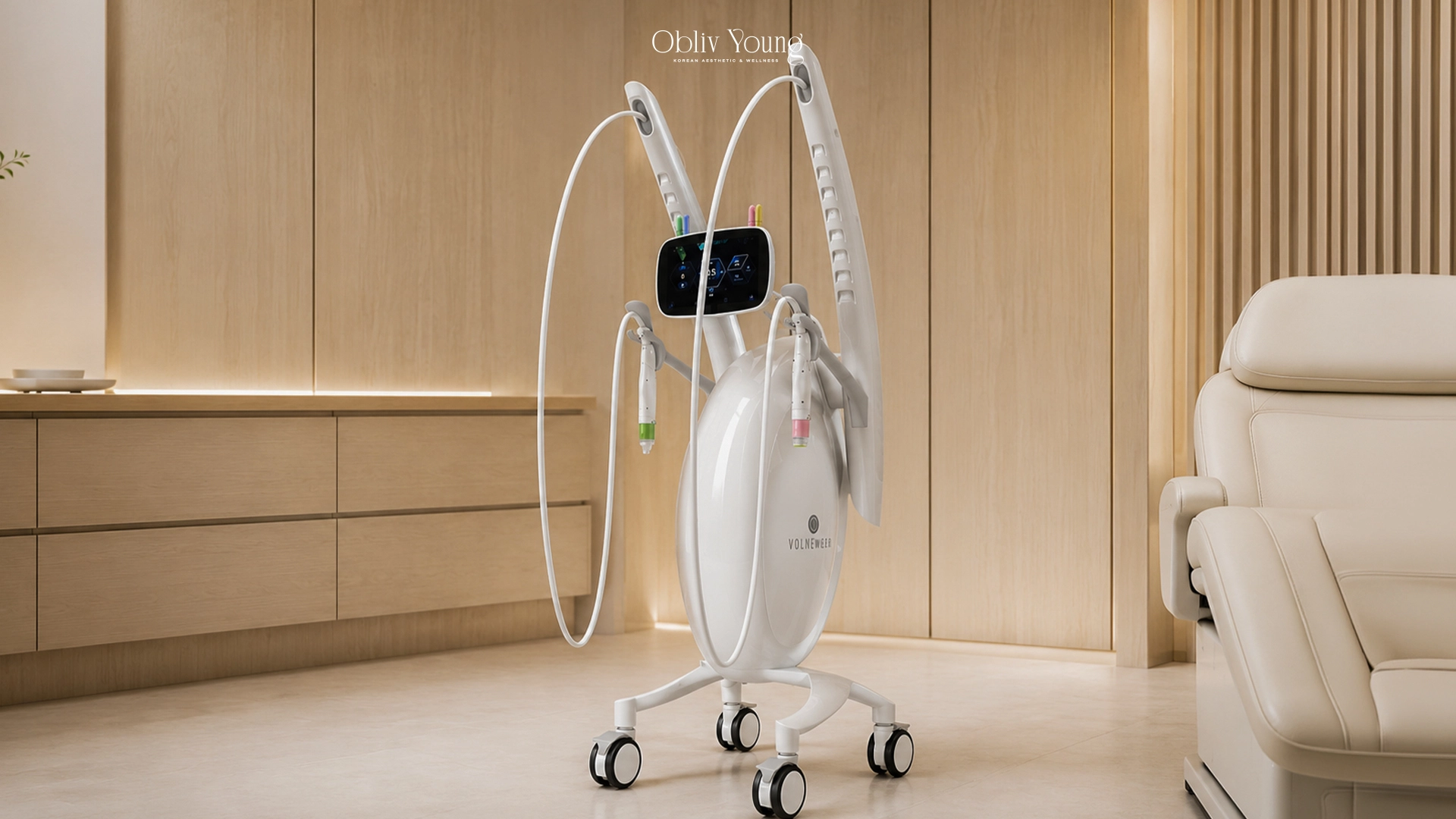

Short answer: Volnewmer treatment is a non-surgical approach using monopolar radiofrequency (RF) energy to heat targeted tissue. Clinicians use it to address selected skin laxity and quality concerns; results and suitability vary, so assessment matters.
Key Takeaways
- Volnewmer uses monopolar radiofrequency, not focused ultrasound.
- It may be discussed for selected skin laxity or quality concerns.
- Evidence and outcomes vary by device and individual.
- Assessment should cover alternatives, limits, risks and aftercare.
Read This Section
- What is Volnewmer treatment?
- How does Volnewmer treatment work?
- What concerns may Volnewmer treatment address?
- Who may consider Volnewmer treatment?
- How does it differ from ultrasound lifting?
- What may a treatment appointment involve?
- What should you do after Volnewmer treatment?
- When to discuss an assessment
- Frequently asked questions
What is Volnewmer treatment?
Volnewmer is a device-based treatment that uses monopolar radiofrequency energy. RF is different from ultrasound-based lifting technologies: it delivers energy through electrical resistance rather than focused sound waves. A clinician should explain which tissues the device and treatment plan target.
Device names do not make treatments interchangeable. Settings, applicators, treatment technique and the person’s anatomy all matter. Ask which device the clinic will use, who will operate it and what the team will assess after treatment.
How does Volnewmer treatment work?
Radiofrequency energy generates heat in targeted tissue. Clinicians use RF devices to pursue tightening or skin-quality changes, but the response varies and evidence from one device cannot automatically establish outcomes for another. The type of energy, treatment method and study population matter when interpreting research.
A evidence synthesis on radiofrequency for face and neck rejuvenation describes a varied evidence base across different RF devices and protocols. It does not establish one promise result for Volnewmer. Read American Academy of Dermatology guidance on radiofrequency skin tightening for broader context.
What concerns may Volnewmer treatment address?
A clinician may discuss RF when a person is concerned about mild skin laxity, texture or a less defined contour. The approach is not a substitute for surgery when substantial tissue repositioning is the goal. Do not present it as a reliable way to remove localized fat.
Some people want a subtle change in firmness without injections or surgery. That preference can guide a conversation, but it does not establish suitability. A doctor should explain the likely scope of change, uncertainty, possible side effects and alternatives before you decide.
Who may consider Volnewmer treatment?
People with early changes in firmness who prefer a non-surgical option may ask whether this treatment fits their goals. Skin condition, medical history, anatomy and expectations can affect the decision. A device treatment may not address every cause of facial fullness, laxity or uneven texture.
During an assessment, describe the change that bothers you and what outcome would feel worthwhile. Ask whether another approach—or no treatment—would be more appropriate. For details about the clinic’s offering, assess Volnewmer service information.
How does it differ from ultrasound lifting?
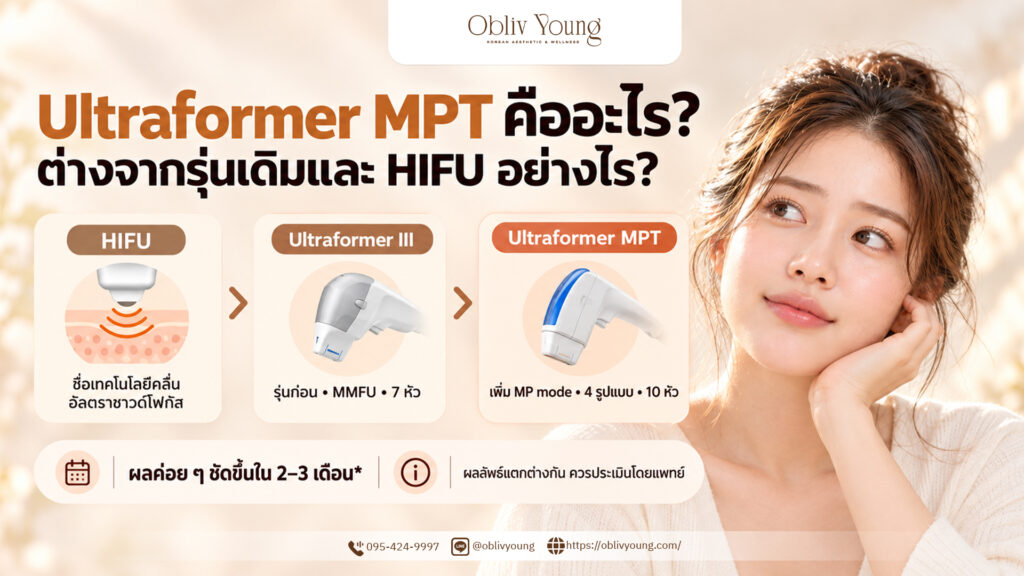
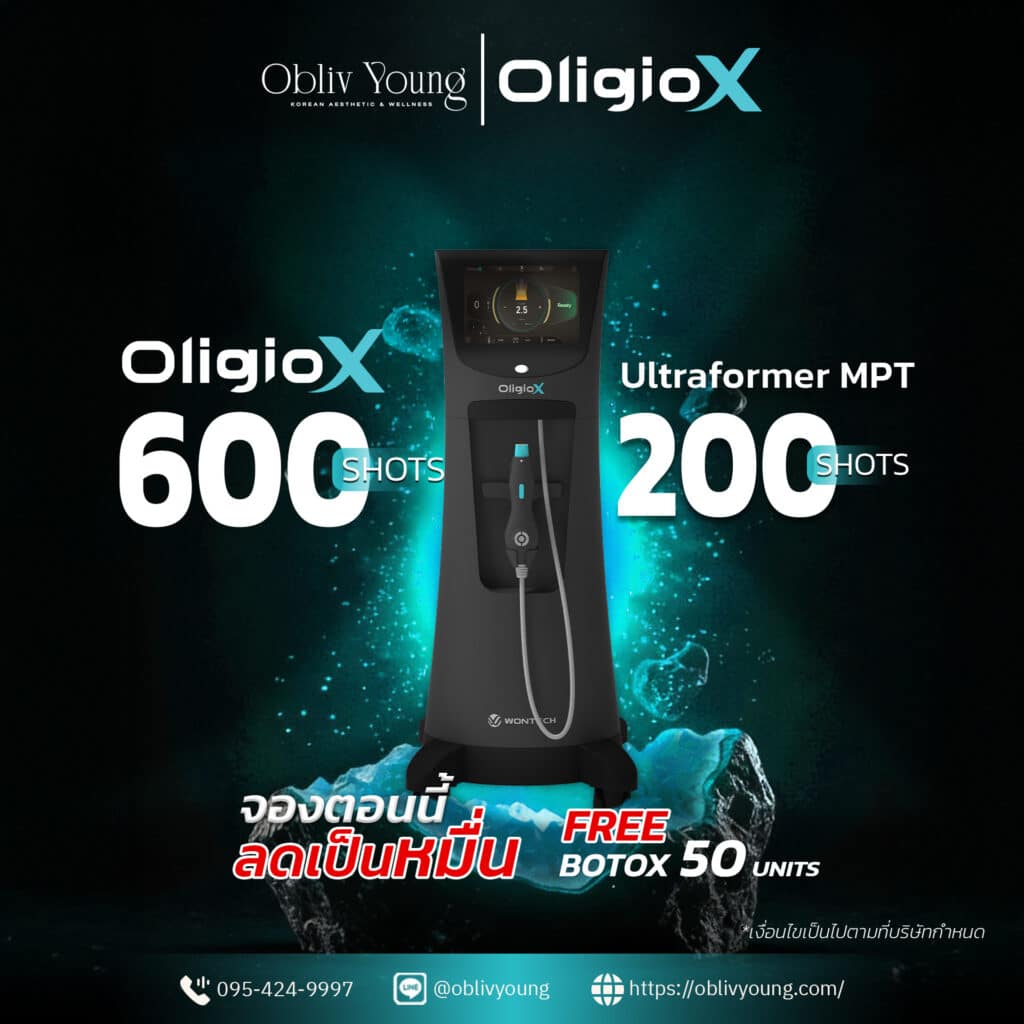
Volnewmer uses monopolar RF, while devices such as Ultraformer and Ultherapy use focused ultrasound. Their energy delivery, target depths, treatment experience and intended uses differ. One is not automatically better; the comparison depends on the concern and the clinician’s assessment.
Do not assume you need a combination of technologies. A provider should explain why they include each proposed treatment, the sequence and the added risks or cost. Avoid selecting a device based only on a claim that it is newer or more comfortable.
What may a treatment appointment involve?
The clinician should assess your goals and relevant history, examine the area and explain the planned treatment. They can discuss how the device contacts the skin, what sensations may occur and how they respond if discomfort develops. Ask about device-specific precautions before proceeding.
Temporary redness, warmth, swelling or discomfort may occur with energy-based treatments. The exact experience depends on the device, settings and individual response. Ask what symptoms you should expect and when to contact the clinic.
What should you do after Volnewmer treatment?
Follow the provider’s instructions for skin care and activities after treatment. Avoid adding strong heat, rubbing or new procedures unless the clinician says they are appropriate. If the skin becomes unusually painful or develops a concerning change, contact the clinic for guidance.
Keep expectations realistic: any change may develop differently for each person, and a treatment is not a promise of a particular contour or skin texture. A follow-up can help the clinician assess your response and discuss whether any further care is appropriate.
When should you discuss Volnewmer treatment?
Loose-looking skin and changes in facial contour can have different causes. A doctor can assess your concern and explain whether radiofrequency is a relevant option, including its limits and alternatives. For more context, see Volnewmer service information.
Frequently asked questions
Is Volnewmer a type of HIFU?
No. Volnewmer uses monopolar radiofrequency, while HIFU devices use focused ultrasound. Their energy delivery and intended treatment plans differ.
What goals might Volnewmer treatment address?
A clinician may discuss it for selected skin laxity or quality concerns. An assessment determines whether those goals fit the device and your circumstances.
Can Volnewmer remove cheek or chin fat?
Do not assume it will remove fat or produce a specific contour. Ask the clinician what change is realistic and what other causes may affect facial fullness.
What should I expect after treatment?
Temporary skin reactions may occur, and aftercare depends on the device and your situation. Follow the clinic’s instructions and contact them about concerning symptoms.
If you would like to understand your main concern, you can contact Obliv Young to ask questions and arrange an assessment.
This article was medically reviewed by
Mr. Park Young Jin
Education
Graduated with a Doctor of Medicine degree from Inha University College of Medicine, and completed an executive program at Seoul National University. Gained experience as a Public Doctor within the government sector before advancing into Aesthetic Medicine with leading Korean clinic groups, including Forever Plastic Surgery, Ppeum Clinic, and Y&I Clinic, serving as a physician and Senior Doctor
Specializes in
Specializes in Aesthetic Medicine, Facial Contouring, and Facelifting Techniques, serving as President of the Obliv Clinic Network (Incheon, Bangkok, Dubai). Also active in the academic community as Academy Director of the Korean Aesthetic Surgery & Laser Society and Senior Director of the Korean Academy of Facelifting and Contouring , as well as a Global KOL and Key Doctor for leading brands including Wontech, MERZ, Jetema, Amalian, and Gouri, covering Filler, Energy-Based Devices, and Skin Rejuvenation technologies internationally. Source: Aestheticsa