YAG laser vs diode: which is suited to hair removal?

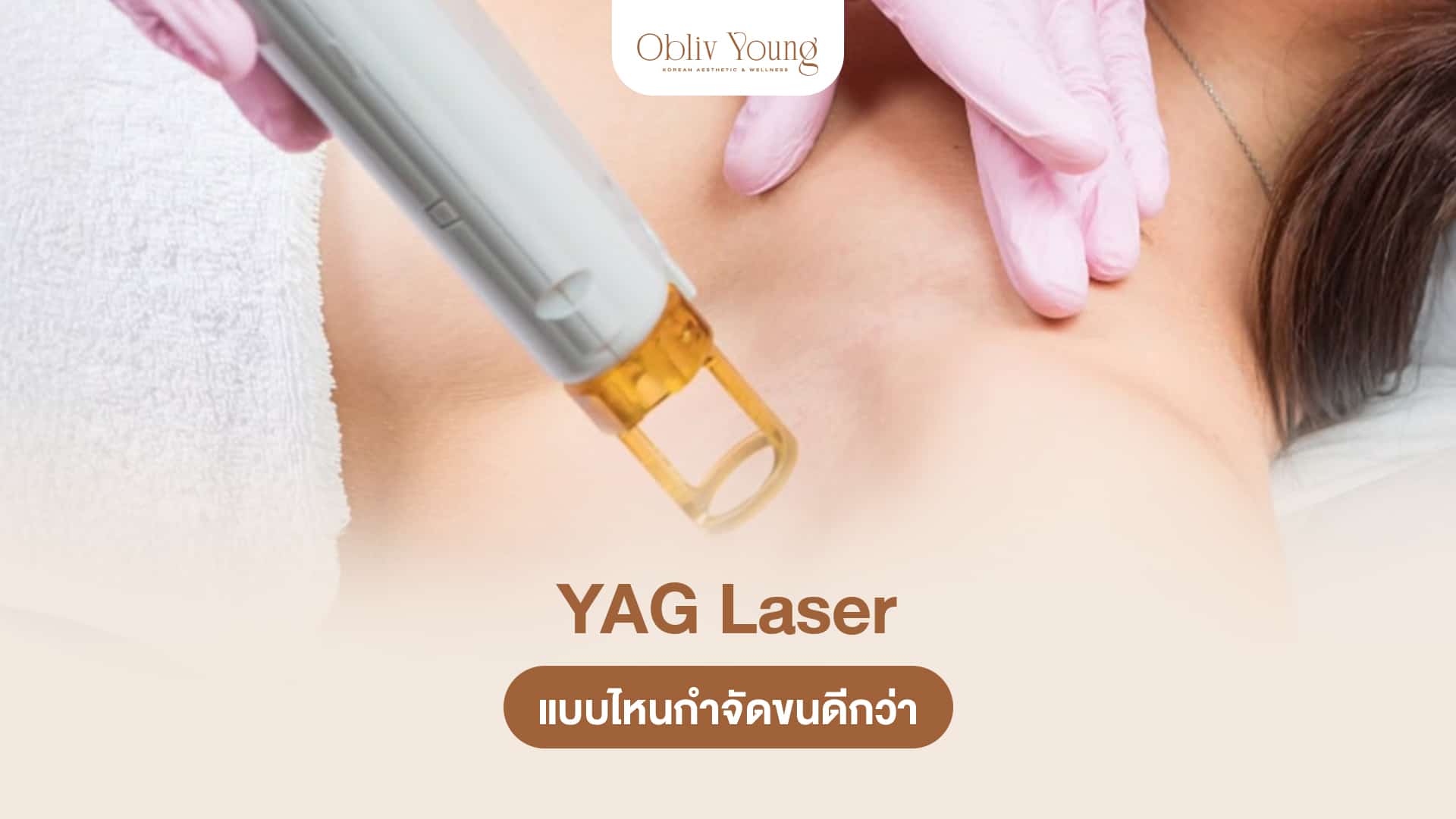
Short answer: YAG laser vs diode is a comparison about the laser system and your skin and hair characteristics, not a universal winner. For hair reduction, the overview distinguishes long-pulsed Nd:YAG from Q-switched Nd:YAG.
Key Takeaways
- Nd:YAG includes different modes with different purposes.
- The overview identifies long-pulsed Nd:YAG as the relevant YAG approach for hair reduction.
- Skin tone, hair color and treatment area influence device selection.
- Sessions, spacing, sensation and precautions need individualized assessment.
Read This Section
- What is Nd:YAG laser?
- How does a hair-removal laser work?
- Which YAG type targets hair reduction?
- YAG laser vs diode: what should guide the choice?
- YAG laser vs diode: which areas and skin types matter?
- How many sessions may be needed, and what does it feel like?
- How can an assessment help?
- Frequently asked questions
What is Nd:YAG laser?
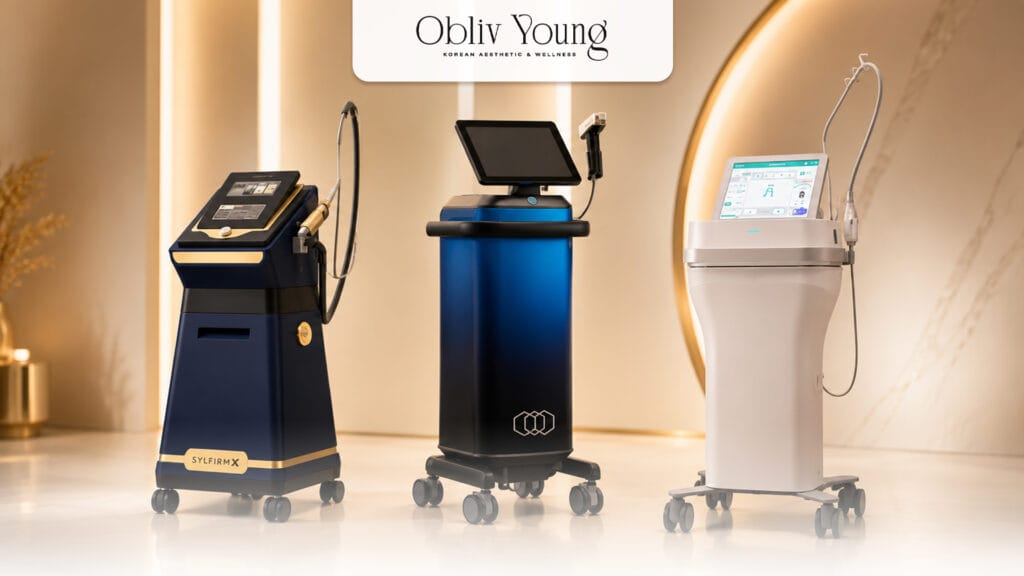
Nd:YAG uses a neodymium-doped yttrium aluminium garnet crystal as its laser medium. The overview discusses 1064 nm and explains that the name covers more than one mode and purpose. It may be used in different clinical contexts; the laser name alone does not tell you whether a device is appropriate for hair reduction. DermNet’s Nd:YAG laser overview also describes the distinction between modes and their uses. Ask which system and mode a clinic proposes.
How does a hair-removal laser work?
The overview explains that laser energy targets melanin in the hair and follicle, producing heat that can reduce future hair growth. Hair cycles matter, so one session does not address every hair at the same stage. The overview says long-pulsed Nd:YAG works for hair reduction, while Q-switched Nd:YAG relates more to pigment concerns and tattoos. This difference is more useful than comparing the label “YAG” with “diode” in isolation.
Which YAG type targets hair reduction?
The overview contrasts Q-switched Nd:YAG, with very short pulses and a pigment-focused role, with long-pulsed Nd:YAG, which delivers millisecond pulses and addresses hair follicles. It identifies long-pulsed 1064 nm Nd:YAG as the relevant YAG option for hair reduction. Do not assume that every YAG device or setting has this purpose. A trained provider should explain the device, mode and why it fits your skin and hair.
YAG laser vs diode: what should guide the choice?
The overview highlights long-pulsed Nd:YAG for darker skin tones and notes that some people may find it more uncomfortable than diode. It does not establish that one system is best for everyone. Skin tone, hair color and thickness, body site, prior reactions and the device settings all matter. The overview notes that light-colored hair may respond differently and that clinical assessment should guide the choice. Ask whether a test area or another system is more appropriate for your circumstances.
YAG laser vs diode: which areas and skin types matter?
The overview names areas such as underarms, legs, arms, bikini line, hairline and facial hair. It also discusses the use of long-pulsed 1064 nm Nd:YAG for darker skin, while emphasizing that settings and assessment matter. These examples do not assurance suitability or a particular response. The area, hair and skin the provider should assess. assessment the hair-removal service information and ask what system will be used.
How many sessions may be needed, and what does it feel like?
The overview’s FAQ gives an average of 6 to 8 sessions spaced 4 to 6 weeks apart. It explains that laser treatment works on hair in a growth phase and that the proportion varies across the hair population. Those figures are overview-level averages, not a personal schedule. The overview describes the sensation as a light snap, with some areas such as the underarms or bikini area feeling more intense; a clinic may discuss numbing cream. Ask about expected discomfort, precautions and follow-up before starting.
YAG laser vs diode decisions should reflect your skin and hair characteristics.
A thoughtful assessment starts with your main concern, relevant history and goals. A clinician can explain suitable options, limitations and follow-up before you decide. assessment the relevant service information and ask questions about your plan.
Frequently asked questions
Does YAG laser work for hair removal?
The overview says it can. It identifies long-pulsed 1064 nm Nd:YAG, rather than Q-switched Nd:YAG, as the relevant mode for hair reduction.
How many sessions are usually needed?
The overview FAQ gives an average of 6 to 8 sessions, spaced 4 to 6 weeks apart. Your clinician should set an individualized plan.
Can darker skin be treated?
The overview discusses 1064 nm Nd:YAG for darker skin tones, but suitability and settings require an individual assessment. No laser is appropriate for everyone.
Does treatment hurt?
The overview describes a light snapping sensation, with some areas potentially more uncomfortable. The clinic may discuss numbing cream and other comfort measures.
YAG laser vs diode depends on skin, hair and clinical assessment.
If you would like to understand your main concern, you can contact Obliv Young to ask questions and arrange an assessment.
This article was medically reviewed by
Mr. Park Young Jin
Education
Graduated with a Doctor of Medicine degree from Inha University College of Medicine, and completed an executive program at Seoul National University. Gained experience as a Public Doctor within the government sector before advancing into Aesthetic Medicine with leading Korean clinic groups, including Forever Plastic Surgery, Ppeum Clinic, and Y&I Clinic, serving as a physician and Senior Doctor
Specializes in
Specializes in Aesthetic Medicine, Facial Contouring, and Facelifting Techniques, serving as President of the Obliv Clinic Network (Incheon, Bangkok, Dubai). Also active in the academic community as Academy Director of the Korean Aesthetic Surgery & Laser Society and Senior Director of the Korean Academy of Facelifting and Contouring , as well as a Global KOL and Key Doctor for leading brands including Wontech, MERZ, Jetema, Amalian, and Gouri, covering Filler, Energy-Based Devices, and Skin Rejuvenation technologies internationally. Source: Aestheticsa