What Is Aging Skin Treatment and Which Option Fits?


Short answer: Aging skin treatment starts by identifying whether dryness, uneven tone, fine lines, texture, or reduced firmness is the main concern.
Key Takeaways
- Changes can involve moisture, texture, tone, lines, or firmness.
- Sun protection and skin-barrier care are useful foundations.
- Treatment choice depends on the concern and an individual assessment.
Read This Section
- What changes can aging skin treatment address?
- Why do these skin changes develop?
- How should daily care begin?
- What treatment categories does this guide cover?
- What can guide treatment timing?
- How can a clinician help choose a plan?
What changes can aging skin treatment address?
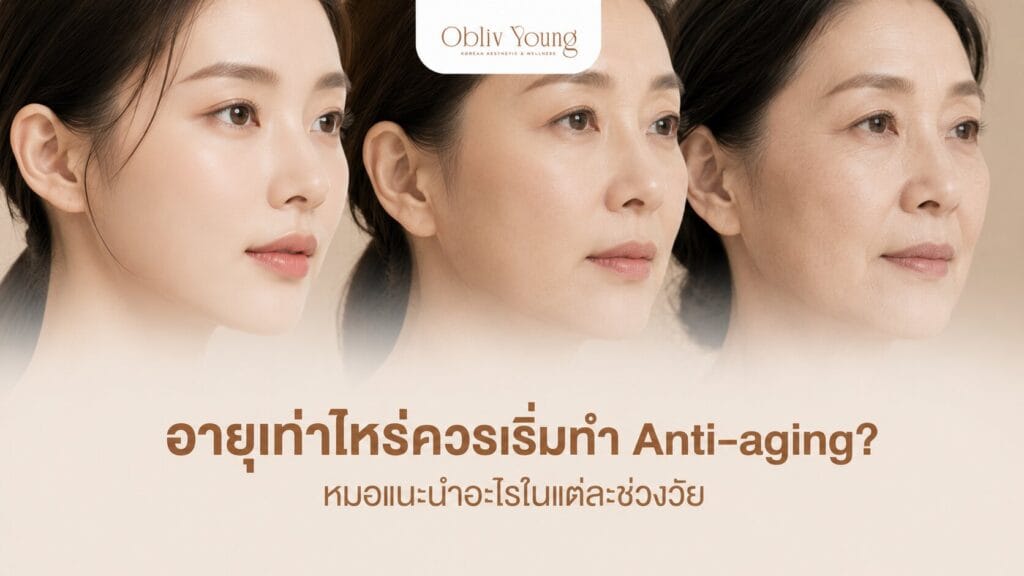
Skin changes can appear as dryness, fine lines around the eyes, uneven tone, rough texture, visible pores, or reduced firmness. These signs may develop gradually, so comparing how the skin feels and looks over time can be more useful than focusing on age alone. The concern may also differ by area: one person notices dryness first, while another is concerned about spots or facial laxity.
An aging skin treatment plan should begin with that distinction. A moisturizer and sun protection address different needs from a procedure selected for laxity or texture. Skin irritation, a persistent rash, or a change that is difficult to explain calls for medical advice before adding products or procedures.
Why do these skin changes develop?
Some changes occur as skin ages, while outside exposures and daily habits can contribute. Reduced moisture and firmness, slower renewal, and accumulated sun exposure can all affect how skin looks. Sun exposure can affect tone and the appearance of lines, while dryness may make texture feel rough or tight. These concerns differ, so one product or procedure may not address all of them.
Stress, limited rest, smoking, and other habits also appear in the guide discussion. Think of them as context for daily skin care rather than a diagnosis. For fitting internal reading, consider this guide to skin structure and care; it can help frame questions about which layer or concern matters most.
How should daily care begin?
Start with a gentle routine that supports moisture and helps limit sun exposure. The guide recommends moisturizer and regular sunscreen as practical basics. Use products according to their directions and introduce one change at a time, especially if the skin reacts easily. A steady routine also makes it easier to notice whether a product is irritating or whether the existing concern remains.
Retinol, vitamin C, peptides, niacinamide, hydration, rest, and balanced habits may all feature in a skin-care routine. These are examples, not a requirement to use every ingredient. Reputable external guidance, including the American Academy of Dermatology’s skin-care guidance, can support a discussion with a clinician, but personal suitability depends on the skin and product.
What treatment categories does this guide cover?
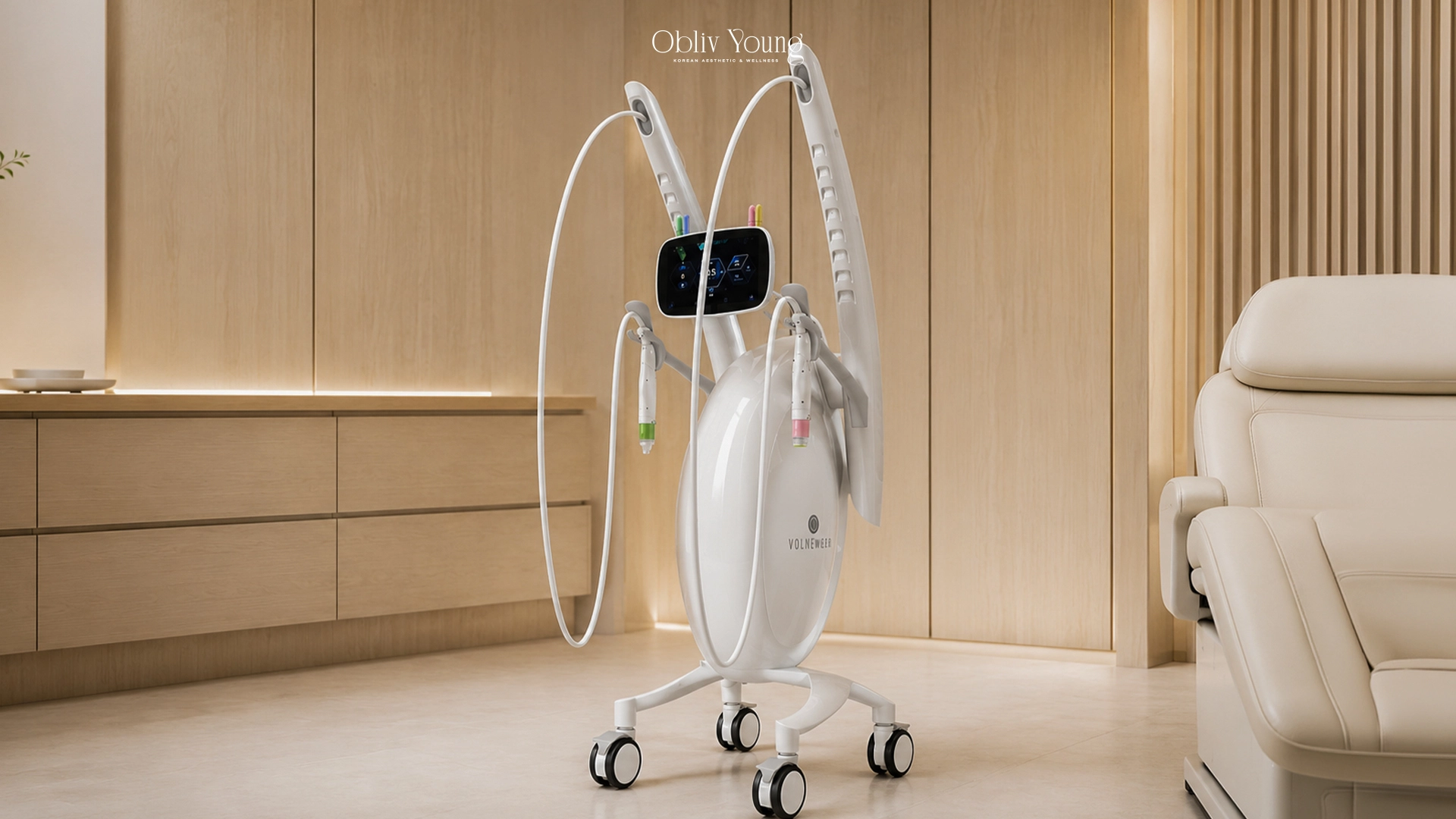
Options can address hydration, lifting or firming, laser or light-based care, or a combination. It names Meso or skin-booster approaches for dryness and dullness, and HIFU or Thermage among options discussed for laxity. Oligio, Volnewmer, and Ultraformer are among the devices a clinician may discuss. These categories do not establish that a particular option fits every reader.
The guide includes laser or IPL for uneven tone and marks. Combination approaches may address more than one concern, but the guide says they should be under medical supervision. A clinician should first clarify the target, explain relevant limits, and consider skin condition. Avoid choosing a device from a list alone or treating broad marketing language as an individual plan.
What can guide treatment timing?
Frequency depends on the treatment and the person. Examples include hydration procedures every 2–4 weeks initially, then every 1–2 months; annual or twice-yearly lifting care; and laser or IPL every 3–4 weeks at first, then less often. These examples do not set a prescription or universal schedule.
An aging skin treatment schedule should follow the specific procedure and a clinician’s advice, not a combined timetable.
Skin, lifestyle, response, and aftercare all matter. Do not combine schedules from different treatments into one plan. Ask the clinician why the proposed interval fits the plan, what changes would prompt reassessment, and whether home care needs adjustment.
How can a clinician help choose a plan?
An assessment can sort the main concern into dryness, tone, texture, lines, or laxity before discussing options. Bring a short list of products and procedures already tried, along with any irritation or sensitivity. This helps the conversation stay specific and reduces the temptation to select several treatments at once without a clear goal.
A clear aging skin treatment discussion starts with the concern and the limits of each option.
At Obliv Young, a clinician can discuss the concern and assess whether an in-clinic option is appropriate, alongside basic skin care. The focus should remain on individual fit and informed choice, not on assuming that age alone requires a procedure. Ask about alternatives, limitations, and aftercare before deciding.
If skin changes are your concern, a clinician can first assess whether dryness, uneven tone, texture, or firmness is driving the issue. Ask about practical daily care and whether any procedure fits your goals.
Frequently asked questions
What is aging skin?
Aging skin describes gradual changes such as dryness, fine lines, uneven tone, and reduced firmness. The main signs vary from person to person.
When should care begin?
The guide discusses skin changes around adulthood, but age alone does not determine a treatment plan. Start with suitable daily care and assess the concern.
Which treatment is right for me?
It depends on the main concern and skin assessment. A clinician can discuss options for moisture, tone, texture, or firmness.
If you would like to understand your main concern, you can contact Obliv Young to ask questions and arrange an assessment.
This article was medically reviewed by
Mr. Park Young Jin
Education
Graduated with a Doctor of Medicine degree from Inha University College of Medicine, and completed an executive program at Seoul National University. Gained experience as a Public Doctor within the government sector before advancing into Aesthetic Medicine with leading Korean clinic groups, including Forever Plastic Surgery, Ppeum Clinic, and Y&I Clinic, serving as a physician and Senior Doctor
Specializes in
Specializes in Aesthetic Medicine, Facial Contouring, and Facelifting Techniques, serving as President of the Obliv Clinic Network (Incheon, Bangkok, Dubai). Also active in the academic community as Academy Director of the Korean Aesthetic Surgery & Laser Society and Senior Director of the Korean Academy of Facelifting and Contouring , as well as a Global KOL and Key Doctor for leading brands including Wontech, MERZ, Jetema, Amalian, and Gouri, covering Filler, Energy-Based Devices, and Skin Rejuvenation technologies internationally. Source: Aestheticsa