What does Monopolar RF treatment do, and what should you expect?

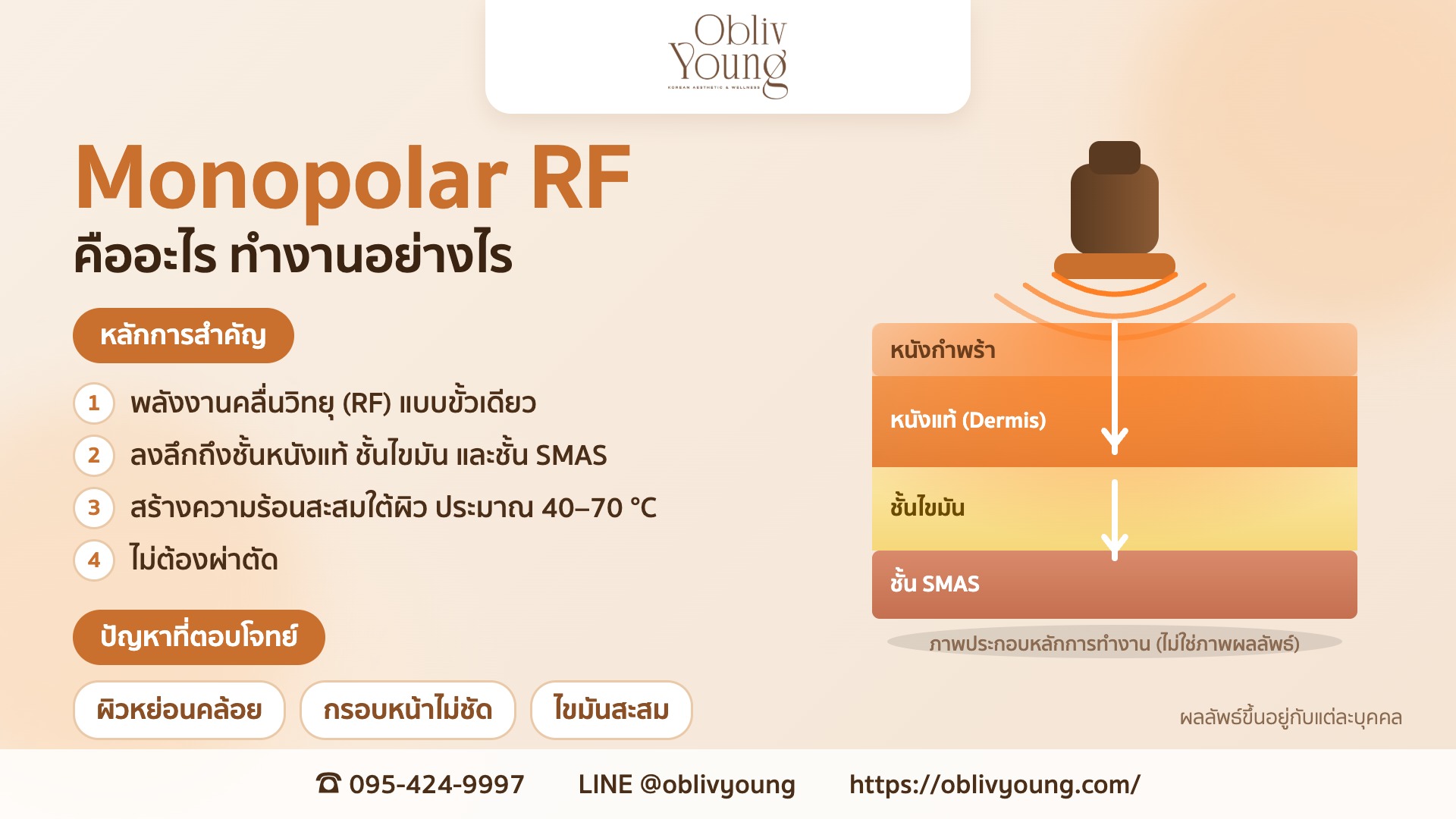
Short answer: Monopolar RF treatment refers to radiofrequency-based treatment that heats tissue; suitability depends on device and assessment.
Key Takeaways
- Monopolar RF treatment has different considerations depending on the treatment and concern.
- Device or product names do not replace an individual assessment.
- Ask about limits, risks and follow-up before making a decision.
Read This Section
- What does monopolar RF target?
- How does radiofrequency affect the skin?
- Can Monopolar RF treatment affect deeper fat?
- How does Monopolar RF differ from other RF?
- How does Monopolar RF treatment differ from HIFU or Ulthera?
- When might changes appear and how long may they last?
- Frequently asked questions
What is Monopolar RF treatment, and what does it target?
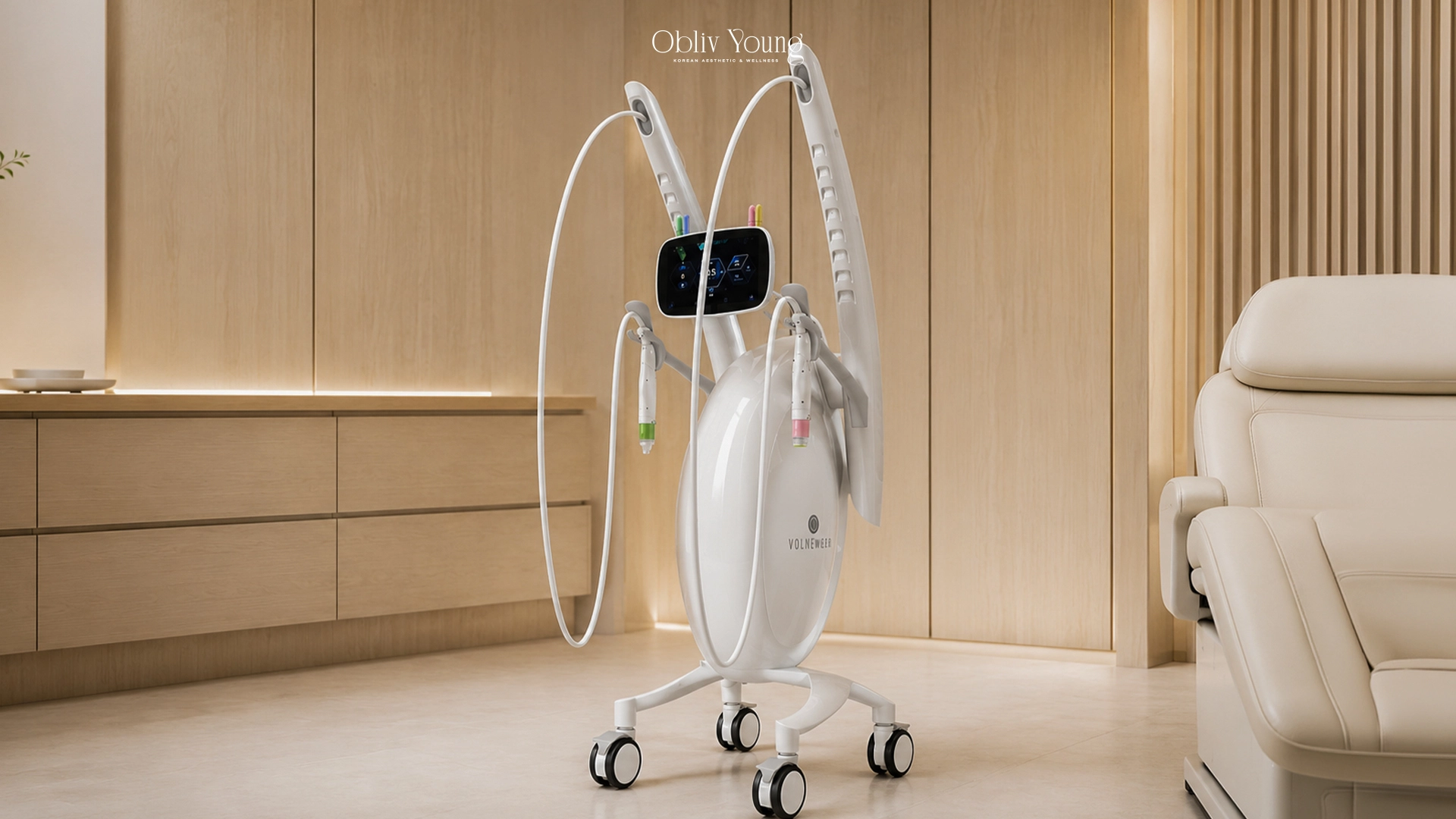
Monopolar radiofrequency uses radiofrequency energy to heat tissue beneath the skin. Published figures place approximate tissue temperature at 40–70°C; do not assume that range applies to every device or person. The device delivers controlled heat below the surface. Actual delivery depends on the device, treatment area and clinician’s assessment. Ask what the stated temperature refers to before comparing devices or interpreting it as a universal target.
How does radiofrequency affect the skin?
The general information explains two processes: existing collagen may contract with heat, while fibroblast activity may support new collagen and elastin over time. It gives 3–6 months for this gradual process. Those time frames do not predict an individual response. The depth and distribution of energy matter, and the name “RF” alone does not describe how a particular handpiece works. Discuss the treatment purpose and what supports use of the device you are considering.
Can Monopolar RF treatment affect deeper fat?
Some Monopolar RF treatment discussions also consider energy reaching tissue beneath the skin and affecting accumulated fat. That possibility does not promise fat reduction or replace an individual assessment. Facial anatomy, treatment area and energy delivery affect what is appropriate. Ask the clinician which tissue the device targets and why. Avoid comparing treatments only by a claimed depth, because different devices and protocols may use different approaches.
How does Monopolar RF differ from other RF?
Bipolar RF directs energy between two poles and is commonly discussed for more superficial tissue. Monopolar RF treatment uses a different circuit to deliver energy deeper in tissue. Multipolar and hybrid devices combine approaches to adjust energy delivery. These labels describe design, not a assurance of a particular outcome. The suitable option depends on the concern, tissue and device. A clinician should explain the difference in plain language instead of relying on model names.
How does Monopolar RF treatment differ from HIFU or Ulthera?
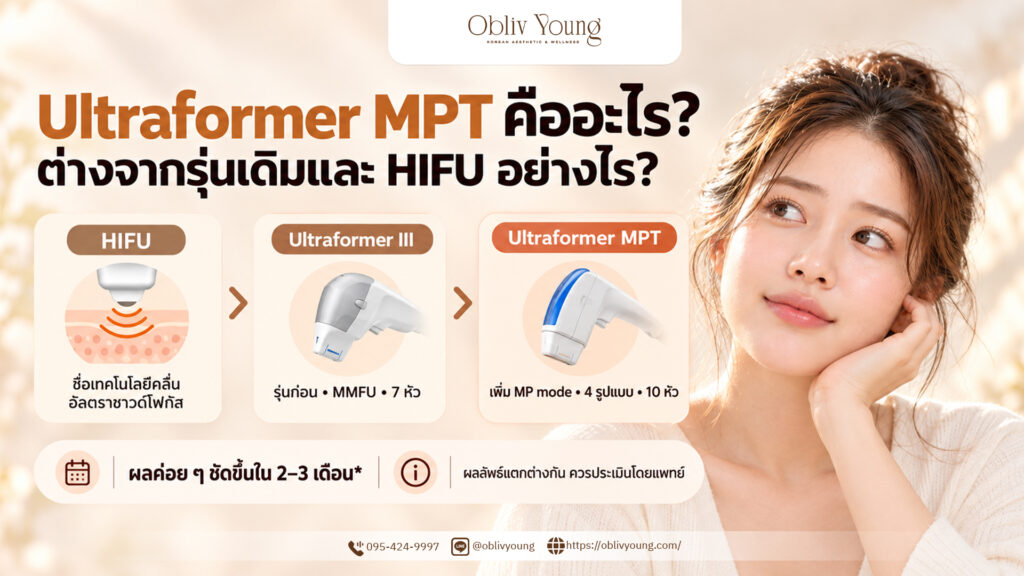
RF uses radiofrequency energy, while HIFU and Ulthera use focused ultrasound. Their energy types, delivery patterns and intended treatment depths differ. So do not treat them as interchangeable just because clinicians may discuss both for firmness. Ask what feature of your concern the proposed method addresses, what alternatives exist and what limitations apply. A treatment plan should follow an examination, not a comparison chart alone.
When might changes appear and how long may they last?
The general information reports an immediate tight feeling of about 10–20%, with changes becoming clearer over 1–3 months and an average duration of 6–12 months. It also says some people choose one session per year. Keep those figures with their original context: they are general statements in the general information, not a personal prediction or a schedule for everyone. Individual response and maintenance decisions require assessment. Ask which outcome the clinician will measure and when follow-up makes sense.
For additional context, assessment published research on radiofrequency skin rejuvenation. The page is background information, not personal medical advice. Your clinician can explain how its scope relates to the question you are asking.
For more information about lifting and firming options, see lifting and firming options.
A clinician-led assessment at Obliv Young
A consultation about Monopolar RF treatment should begin with your concern, skin condition and treatment history rather than a device name. A clinician can explain whether a radiofrequency approach fits the area and your goals, what sensations to expect, and what alternatives may be relevant. Ask how the clinician will use the device and select settings for your skin. An assessment does not commit you to treatment. Read more about available lifting and firming options after discussing your priorities.
Frequently asked questions
Does monopolar RF work immediately?
The general information describes an immediate tight feeling, then gradual changes over 1–3 months. Response varies, so ask how your clinician defines and checks progress with Monopolar RF treatment.
How many sessions might you need?
The general information notes that some people choose one session per year. It does not establish that schedule for everyone; a clinician should assess your needs.
Is RF the same as HIFU?
No. RF uses radiofrequency energy, while HIFU uses focused ultrasound. Their delivery differs, so suitability depends on your concern and assessment.
If you would like to understand your main concern, you can contact Obliv Young to ask questions and arrange an assessment.
This article was medically reviewed by
Mr. Park Young Jin
Education
Graduated with a Doctor of Medicine degree from Inha University College of Medicine, and completed an executive program at Seoul National University. Gained experience as a Public Doctor within the government sector before advancing into Aesthetic Medicine with leading Korean clinic groups, including Forever Plastic Surgery, Ppeum Clinic, and Y&I Clinic, serving as a physician and Senior Doctor
Specializes in
Specializes in Aesthetic Medicine, Facial Contouring, and Facelifting Techniques, serving as President of the Obliv Clinic Network (Incheon, Bangkok, Dubai). Also active in the academic community as Academy Director of the Korean Aesthetic Surgery & Laser Society and Senior Director of the Korean Academy of Facelifting and Contouring , as well as a Global KOL and Key Doctor for leading brands including Wontech, MERZ, Jetema, Amalian, and Gouri, covering Filler, Energy-Based Devices, and Skin Rejuvenation technologies internationally. Source: Aestheticsa