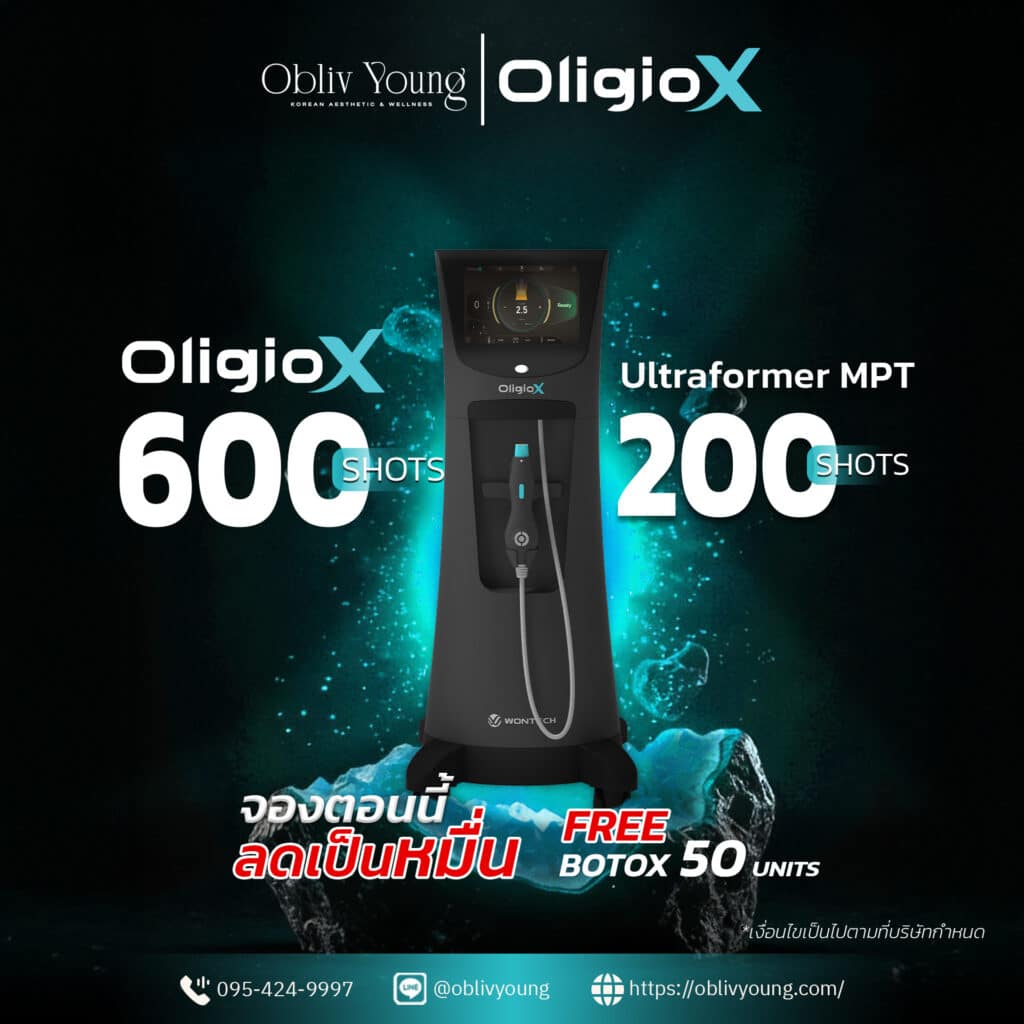
Oligio X vs Oligio: how do the devices differ?

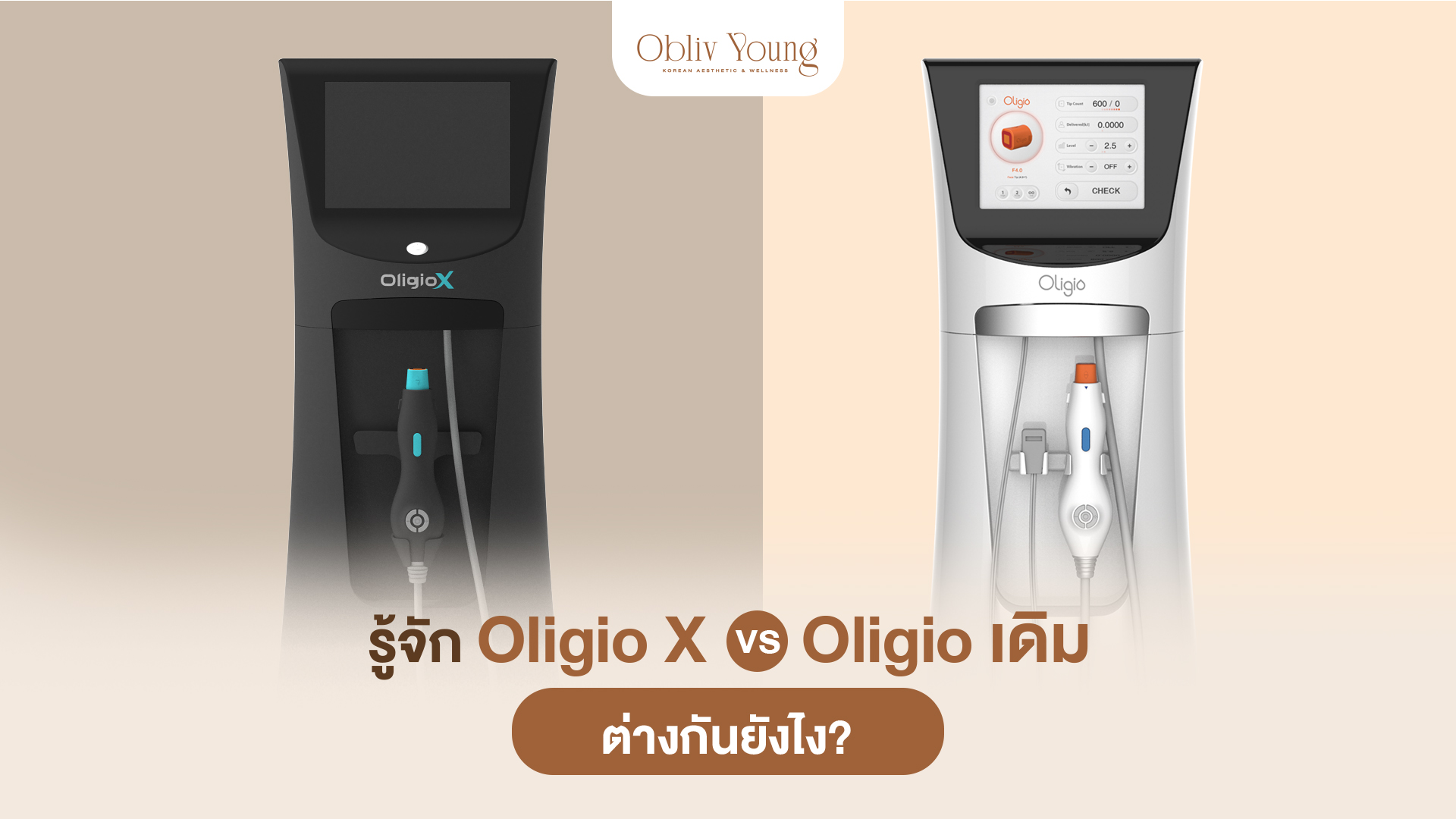
Short answer: Oligio X vs Oligio oligio is described as a monopolar radiofrequency (RF) treatment using a frequency of 6.78 MHz. The stated aim is gradual skin firming rather than an immediate change to facial shape. The device directs energy into the dermal layer to affect existing collagen and support new collagen formation.
Key Takeaways
- Oligio X vs Oligio involve different features or approaches; compare the details that matter to your concern.
- An individual assessment helps connect a treatment option with your goals and history.
- Ask about possible risks, alternatives, recovery, and follow-up before deciding.
Read This Section
- What is Oligio?
- How does Oligio deliver energy?
- What is different about Oligio X?
- Oligio X vs Oligio: how do their approaches compare?
- What role does Oligio X cooling play?
- Oligio X vs Oligio: who might discuss these options?
What is Oligio?
The guidance describes changes as developing over time, including a stated 1–3 month period. That timing is not a prediction for every person. If gradual skin quality is your priority, ask what change is realistic for your skin and how the clinician can assess progress.
How does Oligio deliver energy?
The described approach uses a consistent RF delivery and temperature control. A controlled-heating approach aims to work with collagen while limiting unnecessary stress to the skin. This approach seeks gradual firmness, not a dramatic alteration of facial proportions.
A device description does not tell you how a session will feel or whether it suits your health history. Ask a clinician to explain the treatment area, energy approach, cooling, and what you should report during a session. The Cleveland Clinic also explains the general concept of RF skin tightening; its information is not a personal treatment plan.
For broader background, see a guide to energy-based skin treatment. You can also read Cleveland Clinic’s overview of radiofrequency skin tightening.
What is different about Oligio X?
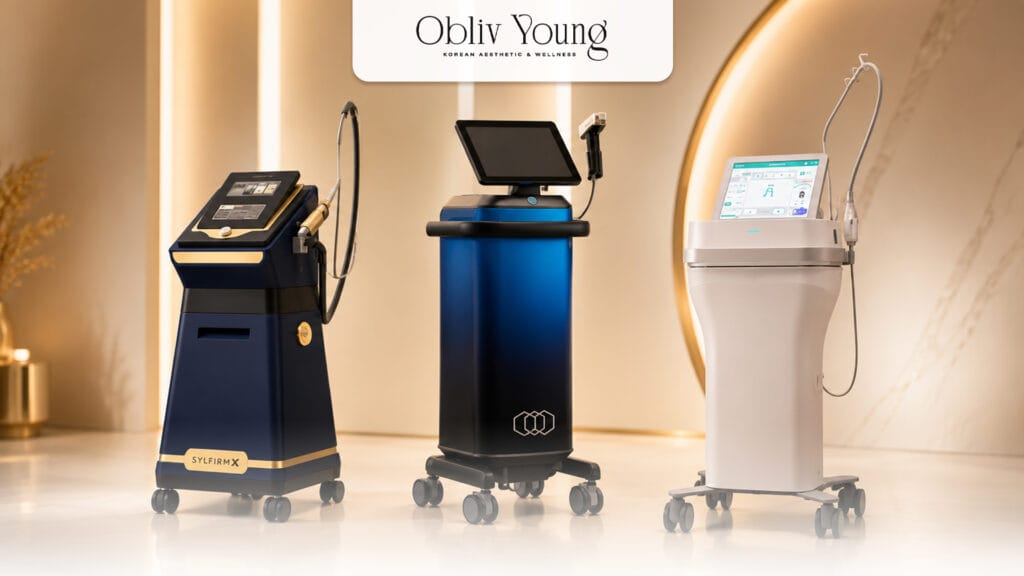
Oligio X also uses monopolar RF at the same stated frequency. The key difference described is a more layered energy approach. Its GXG protocol follows a sequence: gliding to warm the area, stamping to deliver energy more precisely, and gliding again to distribute heat.
The guidance describes the sequence as a way to address superficial and deeper tissue in one treatment. It also discusses skin laxity, accumulated fat, and a less-defined contour as concerns that may prompt assessment. These are treatment aims, not assured outcomes. A clinician should decide whether the method is appropriate for the person and area.
Oligio X vs Oligio: how do their approaches compare?
Oligio offers a steady, gradual approach for early laxity and longer-term skin care. By contrast, Oligio X offers a more structured approach for concerns involving laxity, fat beneath the skin, or facial contour. The difference is not simply a claim that one device is stronger.
Compare Oligio X vs Oligio against your actual concern. The two descriptions may help organize a consultation, but they do not establish that one device is better for everyone. Ask what feature matters for your specific concern, how the clinician will select settings, and what other options could be considered. A careful comparison starts with your goal rather than the device name.
What role does Oligio X cooling play?
Oligio X uses cooling before, during, and after energy delivery. The stated purpose is to protect the skin surface and improve comfort while treatment proceeds. The page also links this approach to managing heat during the sequence.
Cooling does not remove the need for careful assessment or remove all possible adverse effects. Ask how the team monitors your skin, what sensations are expected, and what should prompt a pause. If you have active inflammation in the area or an implanted metal or electronic device, disclose it before planning treatment.
Oligio X vs Oligio: who might discuss these options?
The guidance presents Oligio for people with mild early laxity who prefer gradual change and do not want a rapid shift in appearance. It presents Oligio X for more complex concerns involving laxity and contour. These descriptions are starting points for discussion, not eligibility rules.
The page advises extra evaluation for inflamed skin, metal implanted in the face, or electronic devices in the body. Share your medical and device history before any energy-based treatment. Ask about expected benefits, alternatives, possible risks, and follow-up. A clinician can explain whether either approach matches your skin and preferences.
Discuss your options with a clinician
Compare the concern you want addressed, your skin history, and the device plan with a clinician before choosing. Ask how the treatment would be tailored, what sensations or recovery may occur, and which conditions require extra assessment. An assessment can help you decide whether either option fits your goals.
Frequently asked questions
What is the main difference between Oligio and Oligio X?
Both devices use monopolar RF. Oligio uses a more consistent delivery approach, while Oligio X uses a staged gliding-and-stamping sequence. A clinician can explain which features matter for your concern.
How long may changes take to appear?
The guidance describes gradual change and gives a 1–3 month period for Oligio. Individual response can differ, so ask how and when the clinician can assess your progress.
Who should discuss extra precautions first?
People with active inflammation in the treatment area, facial metal implants, or implanted electronic devices should disclose these details and ask for an individual assessment before considering treatment.
Does cooling make treatment risk-free?
No. Cooling forms part of the device approach, but it does not eliminate the need for assessment, monitoring, and a discussion of possible risks.
If you would like to understand your main concern, you can contact Obliv Young to ask questions and arrange an assessment.
This article was medically reviewed by
Mr. Park Young Jin
Education
Graduated with a Doctor of Medicine degree from Inha University College of Medicine, and completed an executive program at Seoul National University. Gained experience as a Public Doctor within the government sector before advancing into Aesthetic Medicine with leading Korean clinic groups, including Forever Plastic Surgery, Ppeum Clinic, and Y&I Clinic, serving as a physician and Senior Doctor
Specializes in
Specializes in Aesthetic Medicine, Facial Contouring, and Facelifting Techniques, serving as President of the Obliv Clinic Network (Incheon, Bangkok, Dubai). Also active in the academic community as Academy Director of the Korean Aesthetic Surgery & Laser Society and Senior Director of the Korean Academy of Facelifting and Contouring , as well as a Global KOL and Key Doctor for leading brands including Wontech, MERZ, Jetema, Amalian, and Gouri, covering Filler, Energy-Based Devices, and Skin Rejuvenation technologies internationally. Source: Aestheticsa