How does radiofrequency energy work in aesthetic treatments?



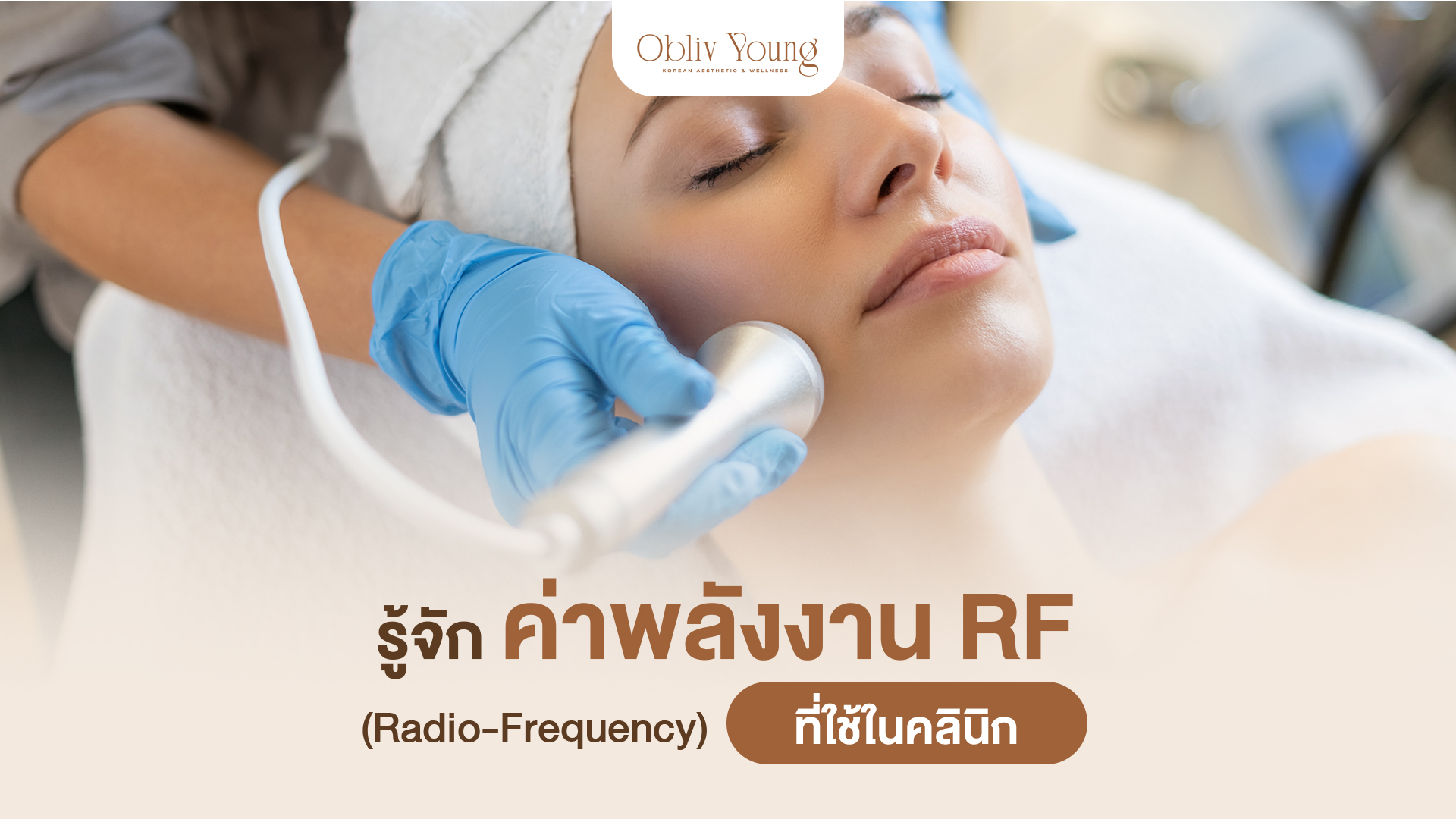
Short answer: radiofrequency energy refers to radiofrequency-based treatment that heats tissue; suitability depends on device and assessment.
Key Takeaways
- radiofrequency energy has different considerations depending on the treatment and concern.
- Device or product names do not replace an individual assessment.
- Ask about limits, risks and follow-up before making a decision.
Read This Section
- What is radiofrequency energy?
- Why is RF used in aesthetic care?
- What does energy level mean?
- How do Bipolar, Monopolar and Multipolar RF differ?
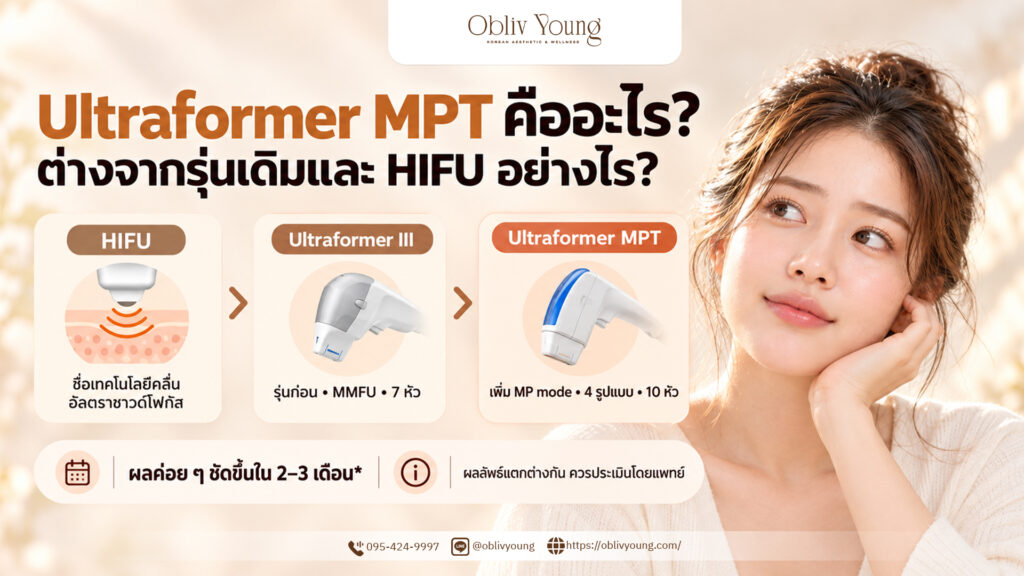
- How does RF compare with HIFU?
- What safety factors should be checked?
- Frequently asked questions
What is radiofrequency energy?
Radiofrequency energy is a form of electromagnetic energy used by some aesthetic devices to create heat in tissue. It is not the same as ultrasound or laser energy. In a treatment, the clinician uses a device to deliver energy to a selected area. The effect depends on the device design, tissue contact and settings. RF covers different technologies, so ask which type the clinician proposes and which tissue it may affect.
Why is RF used in aesthetic care?
The general information describes RF as a way to heat tissue and support skin-related goals such as firmness or texture. Tissue and energy delivery shape the heat response. Device labels alone cannot show whether a treatment suits a particular person. A clinician should explain the target, expected sensations and limits. A careful plan considers the skin and treatment area rather than raising energy simply to pursue a stronger sensation.
What does energy level mean?
Energy settings describe device operation; do not apply them interchangeably across models. Published guidance emphasizes that settings that are too high or too low may change the effect, so operators need to understand the tissue they treat. No single value fits every device because no universal numeric setting appears here. The clinician should follow device guidance and adapt the plan to the area and individual assessment.
How do Bipolar, Monopolar and Multipolar RF differ?
Bipolar systems deliver energy between two poles and are often described for more superficial treatment. Monopolar systems use a different path and may target deeper tissue. Multipolar and hybrid systems combine configurations. These categories do not establish a standard depth or effect for every device. Ask the provider to explain the specific handpiece, energy path and intended treatment. Do not compare settings across technologies as if the numbers were equivalent.
How does RF compare with HIFU?
RF relies on radiofrequency energy; HIFU uses focused ultrasound. Clinicians may discuss both for firmness, but the methods deliver energy to different tissue targets. Start a useful comparison with the concern, not a claim that one method always works more strongly. Ask why the clinician recommends a method, how they select the treatment area, and which alternatives you can consider. The clinician should also explain what evidence applies to the specific device.
What safety factors should be checked?
The general information highlights thin or inflamed skin and implanted metal or electronic devices as reasons for careful assessment. Tell the clinician about implants, medical conditions, recent procedures and changes in the treatment area. Follow the device instructions and the clinician’s advice. Do not proceed if you have unanswered safety questions. Risk depends on the person, device and technique, so general descriptions cannot replace an individual assessment.
For additional context, assessment research indexed on PubMed about radiofrequency skin rejuvenation. The page is background information, not personal medical advice. Your clinician can explain how its scope relates to the question you are asking.
For more information about lifting and firming options, see lifting and firming options.
A clinician-led assessment at Obliv Young
Treatment settings should follow an assessment of the skin, treatment area, medical history and device instructions. Ask the clinician to explain the target, how they monitor energy, and which risks may apply. Thin or inflamed skin, or implanted metal or electronic devices, warrants careful discussion before treatment. Ask questions before deciding; an assessment can also identify when another option is more appropriate. See general lifting and firming options for context.
Frequently asked questions
Are RF settings the same on every device?
No. Device designs and instructions differ, so settings are not universal across devices.
Is radiofrequency energy the same as HIFU?
No. RF and focused ultrasound deliver different forms of energy. A clinician can explain which approach fits the concern.
Should I mention an implanted device before RF?
Yes. Tell the clinician about metal or electronic implants and any relevant medical history so they can assess safety.
If you would like to understand your main concern, you can contact Obliv Young to ask questions and arrange an assessment.
This article was medically reviewed by
Mr. Park Young Jin
Education
Graduated with a Doctor of Medicine degree from Inha University College of Medicine, and completed an executive program at Seoul National University. Gained experience as a Public Doctor within the government sector before advancing into Aesthetic Medicine with leading Korean clinic groups, including Forever Plastic Surgery, Ppeum Clinic, and Y&I Clinic, serving as a physician and Senior Doctor
Specializes in
Specializes in Aesthetic Medicine, Facial Contouring, and Facelifting Techniques, serving as President of the Obliv Clinic Network (Incheon, Bangkok, Dubai). Also active in the academic community as Academy Director of the Korean Aesthetic Surgery & Laser Society and Senior Director of the Korean Academy of Facelifting and Contouring , as well as a Global KOL and Key Doctor for leading brands including Wontech, MERZ, Jetema, Amalian, and Gouri, covering Filler, Energy-Based Devices, and Skin Rejuvenation technologies internationally. Source: Aestheticsa