Inflammatory Acne: Causes, Types, and Safer Ways to Manage It
Short answer: Inflammatory acne develops when a clogged follicle becomes inflamed. It may appear as a red or swollen bump, a tender pimple, a pustule, or a deeper lump. The right next step depends on the lesion’s depth, number, location, recurrence, and the person’s skin history.
Avoid squeezing or picking, especially when the spot is deep or painful. If breakouts keep appearing, become painful, or begin leaving marks or scars, a clinician should assess the skin rather than relying on a self-diagnosis.
Key Takeaways
- Inflammatory acne ranges from small red bumps to pustules and deeper lesions.
- Location alone cannot confirm the cause or determine the right treatment.
- Picking, squeezing, and harsh scrubbing can increase inflammation and the risk of marks or scarring.
- Persistent, painful, deep, widespread, or scarring acne deserves professional assessment.
อ่านหัวข้อที่สนใจ
- What does inflammatory acne look like?
- What may cause it?
- What can you do at home?
- How is it treated?
- When should you see a doctor?
- How is it different from other acne and heat-rash-like bumps?
- FAQ
What does inflammatory acne look like?
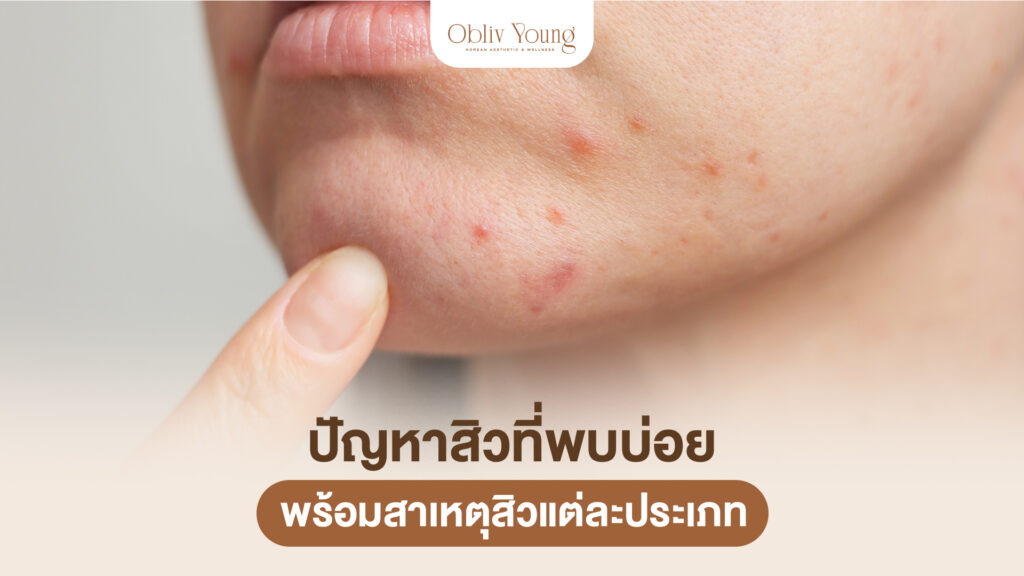
Inflammatory acne is usually raised and red or pink. It may be tender to touch, and some lesions have a white or yellow centre. Comedonal acne, by contrast, is more often seen as whiteheads, blackheads, or flesh-coloured bumps without prominent redness. Both types can occur together.
The phrase “inflammatory acne” describes what the breakout looks and feels like; it does not establish its severity or cause. A small superficial pustule and a deep painful nodule should not be treated as the same problem.
A deep bump without a visible head may fit the more specific concern of a blind pimple. Use the existing blind-pimple guide for that intent rather than treating every under-the-skin bump as a general inflammatory-acne topic.
Why does inflammatory acne happen?
Acne inflammation is linked to follicle blockage, oil production, changes in how skin cells shed, and the skin’s inflammatory response. Heat, sweat, friction, occlusive products, stress, sleep changes, and hormonal shifts may contribute for some people. These factors vary, and one explanation should not be applied to every breakout.
A new product or medication may coincide with a flare, but the timing alone does not prove causation. Tell a doctor or pharmacist about relevant products and medicines before changing a prescribed treatment on your own.
Chin, jawline, or nose breakouts can have several explanations. The distribution can be useful history for a clinician, but it cannot diagnose hormonal acne, irritation, or another skin condition by itself.
What can you do at home while arranging assessment?
- Cleanse gently twice daily and avoid scrubs or friction over inflamed areas.
- Avoid squeezing or picking spots, which can worsen inflammation and marks.
- Choose non-comedogenic products and pause any product that causes irritation.
- Arrange assessment if spots are painful, rapidly worsening, widespread, or recurring.
Keep cleansing gentle, avoid scrubs and brushes on inflamed skin, and avoid layering several new acne products at once. If you already use an acne treatment, follow its label or the plan provided by a qualified clinician. Burning, marked redness, swelling, or peeling is a reason to pause and seek advice rather than add more active products.
Do not pop a pustule. Pressure can worsen inflammation and may increase the chance of a dark mark, a wound, or scarring. If a spot has been picked open, stop irritating products, keep the area clean, and seek medical advice if redness, pain, swelling, or discharge increases.
Clean items that touch the face regularly and reduce unnecessary touching, but avoid aggressive “deep cleaning.” A simple, consistent routine is easier to assess than frequent product changes.
How is inflammatory acne treated?
A clinician considers the lesion type, depth, number, location, recurrence, previous treatments, skin sensitivity, and scarring risk. A plan may include topical care, prescribed treatment, or a clinic procedure when appropriate. Not every person needs a laser, and no single procedure is suitable for every active breakout.
For a broader acne pathway, see Skin Clarity. This is an educational route, not a promise that a specific clinic service will be appropriate. A service decision should follow an individual assessment.
When should you see a doctor?
Arrange an assessment when acne keeps appearing, forms deep painful lumps, affects several areas, recurs in the same place, or begins leaving depressed or raised scars. Earlier care may reduce ongoing inflammation and scarring risk, but timing and outcomes vary.
Seek prompt medical attention for rapidly spreading redness or warmth, severe pain, fever, marked swelling, an open wound with increasing discharge, or a lesion close to the eye. A red, swollen bump is not always acne.
Tell the clinician if you are pregnant, breastfeeding, have a medical condition, have sensitive skin, or take regular medication. Those details can change which options are appropriate.
Inflammatory acne, blind pimples, and nodular acne are not interchangeable
Inflammatory acne is a broad appearance-based term. Nodular or very deep acne may carry a higher risk of scarring, while a blind pimple is a narrower under-the-skin concern. Keeping these topics separate helps readers find the right information and prevents this article from competing with existing owners.
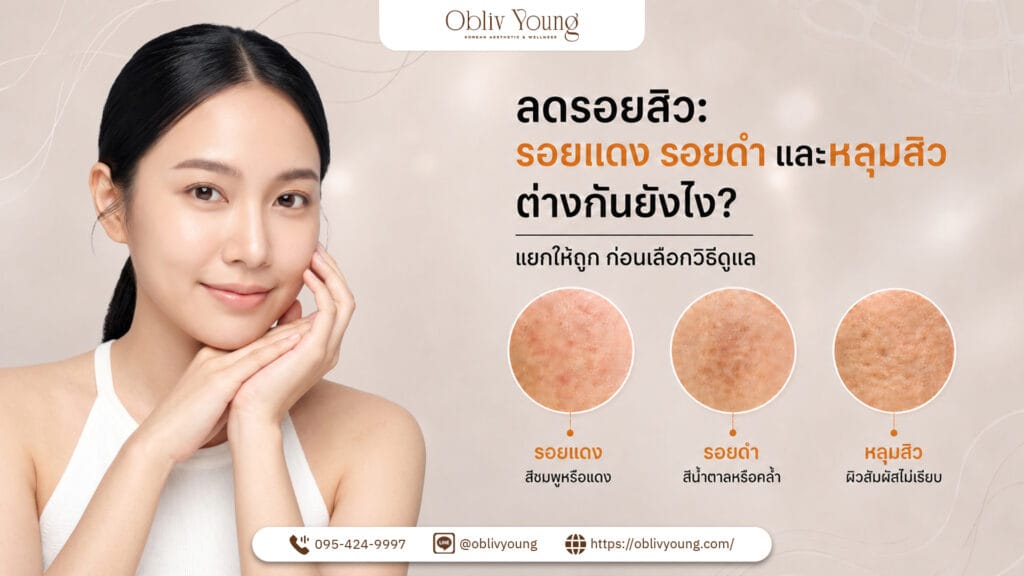
For flat red or dark marks after a breakout, read the existing acne-marks guide. Marks are not the same as depressed acne scars.
FAQ
Should you squeeze inflammatory acne with pus?
It is safer not to squeeze it yourself. Pressure can worsen inflammation, marks, and scarring. A large, painful, or recurrent lesion should be assessed rather than forcibly emptied at home.
Why do I keep getting inflammatory acne on my chin or nose?
Possible contributors include blocked follicles, friction, products, hormonal changes, and irritation. Location alone cannot identify the cause. Bring a product and treatment history to an assessment if the pattern keeps returning.
How long does inflammatory acne take to settle?
There is no fixed timeline. Superficial lesions may settle sooner than deep ones, while redness or dark marks can remain after the active spot improves. Frequent product switching can irritate the skin and make the pattern harder to understand.
Can I treat inflammatory acne myself?
Gentle skin care and avoiding picking can reduce irritation, but online advice should not replace assessment when lesions are deep, widespread, very painful, heavily pustular, recurrent, or scarring.
How is inflammatory acne different from heat-rash-like bumps?
Inflammatory acne often includes red bumps, pustules, or deeper lesions with varied size and tenderness. “Heat-rash-like acne” is an informal label for several possible appearances and is not a fixed diagnosis. Very small, itchy, uniform bumps may need a different assessment. See the live heat-rash and acne boundary guide for that separate intent.
If you would like to understand your main skin concern, you can contact Obliv Young to ask questions and arrange an assessment.

This article was medically reviewed by
Dr. Park Young Jin
Education
Graduated with a Doctor of Medicine degree from Inha University College of Medicine, and completed an executive program at Seoul National University. Gained experience as a Public Doctor within the government sector before advancing into Aesthetic Medicine with leading Korean clinic groups, including Forever Plastic Surgery, Ppeum Clinic, and Y&I Clinic, serving as a physician and Senior Doctor
Specializes in
Specializes in Aesthetic Medicine, Facial Contouring, and Facelifting Techniques, serving as President of the Obliv Clinic Network (Incheon, Bangkok, Dubai). Also active in the academic community as Academy Director of the Korean Aesthetic Surgery & Laser Society and Senior Director of the Korean Academy of Facelifting and Contouring , as well as a Global KOL and Key Doctor for leading brands including Wontech, MERZ, Jetema, Amalian, and Gouri, covering Filler, Energy-Based Devices, and Skin Rejuvenation technologies internationally. Source: Aestheticsa